Mechanics of the Digital Deception
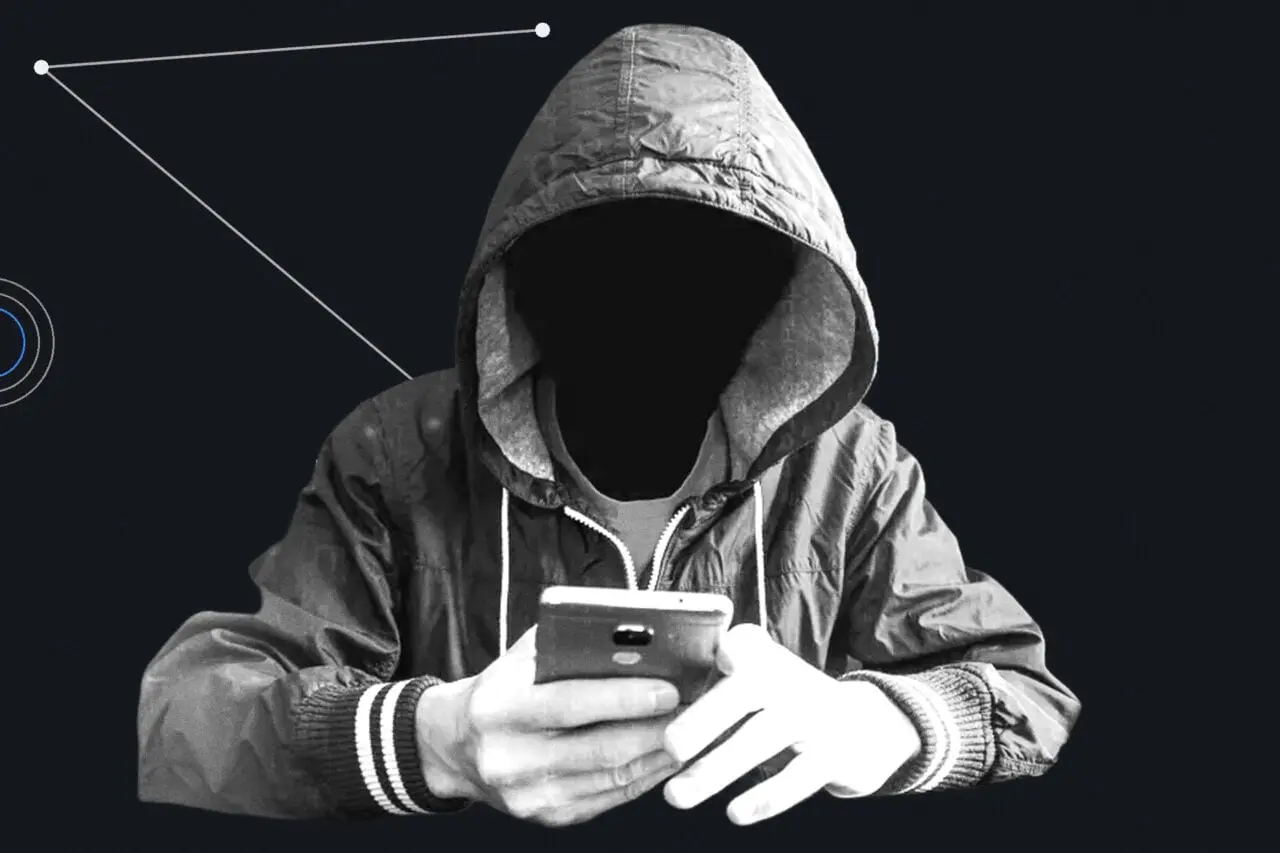
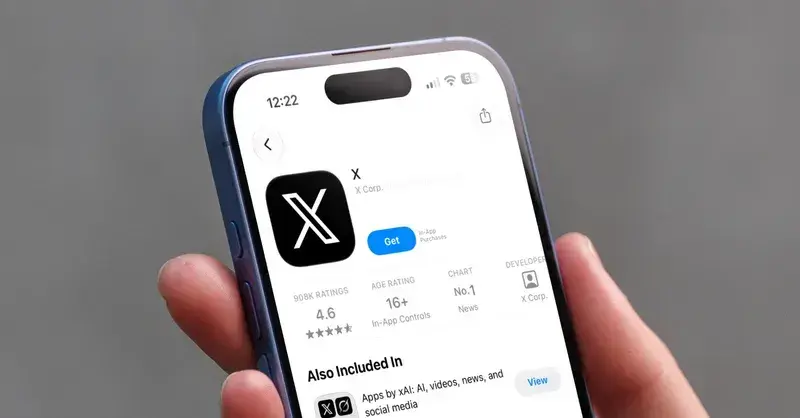
A sophisticated phishing campaign is currently targeting X users by mimicking official security notifications. These fraudulent emails claim that an unauthorized party accessed a user's account from an unrecognized device. The scheme relies on creating a sense of urgency, tricking unsuspecting individuals into clicking malicious links designed to harvest their private login credentials.
Breaking news
 Town AI Secures $108 Million Series B, Valued at $1 Billion After $55 M Pre‑Series
 Apple Prepares for Major Product Launch Event on October 28
 Apple Releases Release Candidates for watchOS, tvOS and visionOS 27.2
 Apple Limits iPhone Duo and iPhone 18 Pro Max to Reservation-Only Sales in Japan and South Korea
The attackers have crafted these emails to look nearly identical to legitimate system alerts sent by the platform. By mimicking the branding and tone of official security correspondence, the scammers hope to bypass the natural skepticism of account owners. Once a user clicks the provided link, they are directed to a counterfeit login page. Any information entered on this page is immediately captured by the malicious actors, granting them full control over the compromised account.
These phishing attempts exploit the psychological pressure of immediate account security. When a user receives a notification about a potential breach, their immediate reaction is often to resolve the issue quickly. The attackers leverage this panic to bypass typical caution regarding suspicious links or unfamiliar senders. By the time the user realizes the site is fake, their username and password have already been transmitted to the hackers.
How Can You Protect Your Digital Identity?
Security experts note that these emails often use subtle inconsistencies that are easy to miss during a quick glance. While the visual design mirrors the platform, the underlying email headers and destination URLs often point to external, malicious domains. This campaign highlights the importance of verifying the source of any security alert before interacting with it.
The most effective defense against such scams is to avoid clicking links within security emails entirely. If you receive an alert about your account, navigate directly to the official platform through your browser or the verified mobile application. By manually typing the address, you ensure that you are interacting with the legitimate service rather than a malicious clone.
Frequently Asked Questions
Enabling multi-factor authentication remains a critical step for all users. Even if a scammer successfully steals your password, this additional layer of security prevents them from accessing your account without a secondary verification code. Staying vigilant and skeptical of urgent requests is the best way to maintain control over your personal information in an increasingly dangerous online landscape.
What should I do if I accidentally clicked a link in a suspicious email? Immediately change your password through the official website and enable two-factor authentication. If you entered payment information, contact your bank to monitor for unauthorized transactions.
How can I tell if an X security email is legitimate? Legitimate alerts will not ask you to provide your password or sensitive data through a link. Always check the sender's email address for inconsistencies and verify activity through your account settings page directly.