Digital Adoption Outpaces Bureaucratic Processes
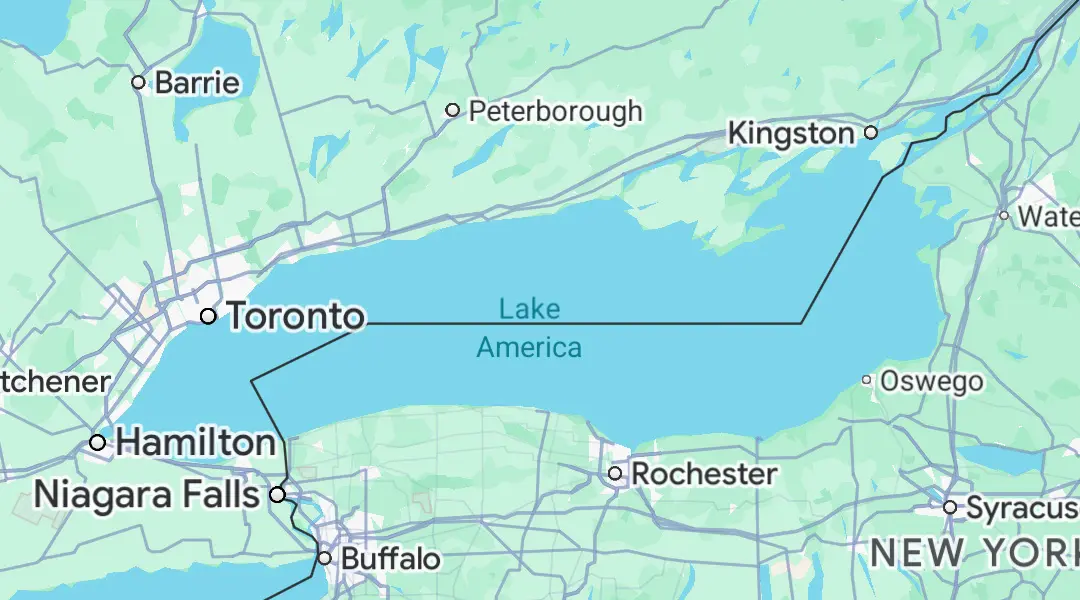
Google has officially renamed Lake Ontario to Lake America on its mapping platform. This update went live on Saturday, marking a significant shift in digital cartography. The tech giant acted swiftly following recent diplomatic tensions between the United States and Canada. The change reflects the executive order signed by President Donald Trump earlier this week. It demonstrates how quickly private entities can adopt new geopolitical labels compared to federal agencies.
Breaking news
 Town AI Secures $108 Million Series B, Valued at $1 Billion After $55 M Pre‑Series
 Apple Prepares for Major Product Launch Event on October 28
 Apple Releases Release Candidates for watchOS, tvOS and visionOS 27.2
 Apple Limits iPhone Duo and iPhone 18 Pro Max to Reservation-Only Sales in Japan and South Korea
The renaming stems from the collapse of trade negotiations between Washington and Ottawa. These failed talks triggered a series of retaliatory tariffs that strained bilateral relations. In response, President Trump utilized his executive powers to alter the name of the shared waterway. The lake sits directly on the border between New York State and the province of Ontario. By changing the name, the administration aims to assert a distinct American identity for the region.
While Google implemented the change immediately, the US government remains behind schedule. Official federal maps have not yet reflected the new designation as of this writing. This delay highlights the gap between political directives and administrative execution. Government agencies often require extensive review processes before updating public-facing documents. Google’s rapid rollout suggests that users will encounter the new name in their daily navigation long before official state records catch up. The discrepancy may cause minor confusion for travelers and logistics teams relying on different map sources.
How Will Shared Borders Handle the Name Change?
President Trump’s decision was part of a broader strategy to signal strength during the trade dispute. Renaming geographic features is a symbolic act intended to reinforce national branding. The move follows previous instances where the administration adjusted terminology to align with domestic policy goals. Critics argue that such changes complicate international agreements regarding shared resources. Supporters view it as a necessary step to distinguish American interests from Canadian ones. The speed of Google’s update indicates that the tech industry is closely monitoring political developments.
The lake serves as a vital transportation corridor for commercial shipping. Ships moving between the Great Lakes and the Atlantic Ocean rely on consistent naming conventions. International maritime law generally recognizes established names unless formally amended through treaty. However, unilateral executive orders can create ambiguity in legal disputes. Canadian officials have expressed concern over the unilateral nature of the renaming process. They argue that shared borders require mutual consent for significant changes. The situation underscores the complex dynamics of managing transnational infrastructure.
Frequently Asked Questions
When did Google change the name? Google rolled out the update on Saturday. This occurred shortly after the executive order was signed. The change is now visible to users accessing the platform.
Is the US government map updated? No, official US government maps have not yet been updated. The federal agency is still processing the administrative requirements. This creates a temporary mismatch between private and public data.
Why was the name changed? The change followed the breakdown of US-Canada trade talks. President Trump signed an order to rename the lake to emphasize American identity. It serves as a symbolic response to the trade conflict.