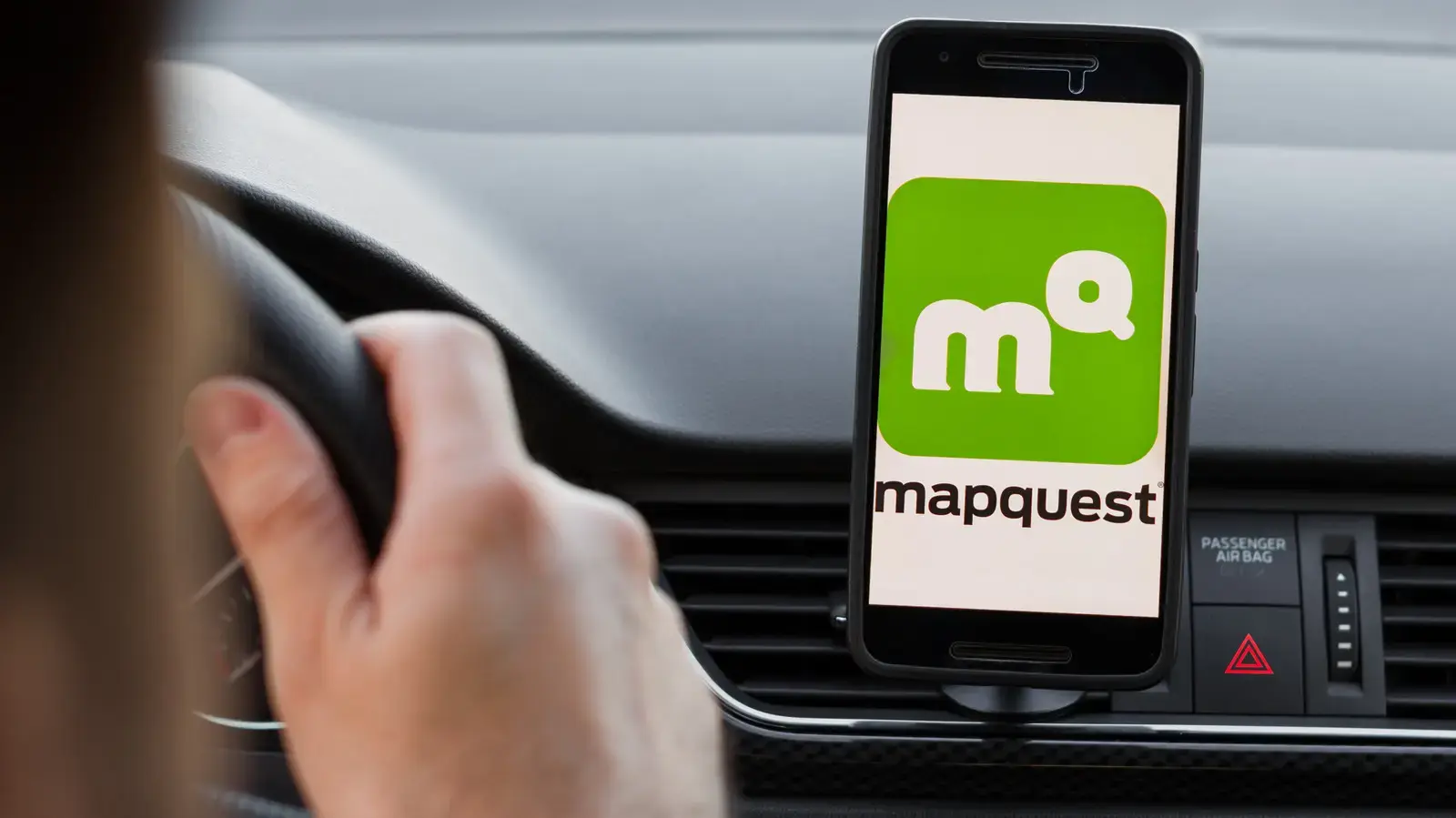
A Nostalgic Shift In User Behavior
MapQuest has claimed the number one spot for navigation apps in the United States. This shift marks a significant change in the digital mapping landscape. The long-standing favorite, Google Maps, has lost its top position. This development occurred recently, signaling a major trend reversal in user preference. The return of an older brand to the lead is surprising to many industry observers. It highlights how consumer habits can shift rapidly in the tech sector.
Breaking news
 Canonical’s Web Presence Hit by Second DDoS Assault This Year
 Loops AI Secures $3.5 Million to Power a New AI Operating System for E‑Commerce
 Winverse AI Secures Tens of Millions in Seed Funding from DeepSeek and Long‑Z
 Google Adds Pixel 9 Series to Certified Refurbished Store
The rise of MapQuest comes after years of dominance by newer competitors. Users are returning to a familiar interface that predates modern smartphone navigation. This suggests a preference for simplicity over complex features. The data indicates a clear preference for traditional routing methods among American drivers.
The resurgence of MapQuest is driven by a desire for straightforward functionality. Many users find current mapping tools overly complex with too many options. MapQuest offers a cleaner experience focused on core navigation needs. This approach appeals to drivers who want quick directions without distractions. The company leveraged its established brand recognition to capture this audience.
Why Drivers Are Switching Back
Industry analysts note that the shift is not just about features. It is also about trust and familiarity. MapQuest has been a household name for decades. Its logo and interface are deeply ingrained in the public consciousness. This emotional connection helps drive daily usage rates higher than expected. The app’s performance in terms of speed and accuracy remains competitive.
Drivers are citing ease of use as the primary reason for switching. The learning curve for new mapping apps can be steep. MapQuest requires minimal training to operate effectively. This lowers the barrier to entry for all age groups. Additionally, the app integrates well with existing vehicle systems. Many car manufacturers still support MapQuest protocols for in-car displays. This compatibility ensures a seamless transition for users.
Data shows a steady increase in daily active users for MapQuest. The growth rate outpaced that of its rivals during the last quarter. This momentum has pushed it past the previous leader. The shift reflects a broader trend toward minimalism in technology. Users are shedding unnecessary digital clutter in favor of essential tools.
The implications for the mapping industry are substantial. Competitors must now adapt to this changing preference. They may need to simplify their interfaces to retain users. The market is no longer guaranteed to the largest player. Instead, it responds to usability and brand loyalty. Future updates will likely focus on streamlining the user experience.
Frequently Asked Questions
Why is MapQuest gaining popularity again? Users prefer its simple and direct navigation style. It avoids the complexity found in newer applications.
Does MapQuest offer real-time traffic data? Yes, the service includes live traffic updates. These help drivers avoid congestion and delays.
Is the switch away from Google Maps permanent? It is too early to say definitively. However, current trends suggest sustained growth for MapQuest.