Why the Core Count Keeps Climbing
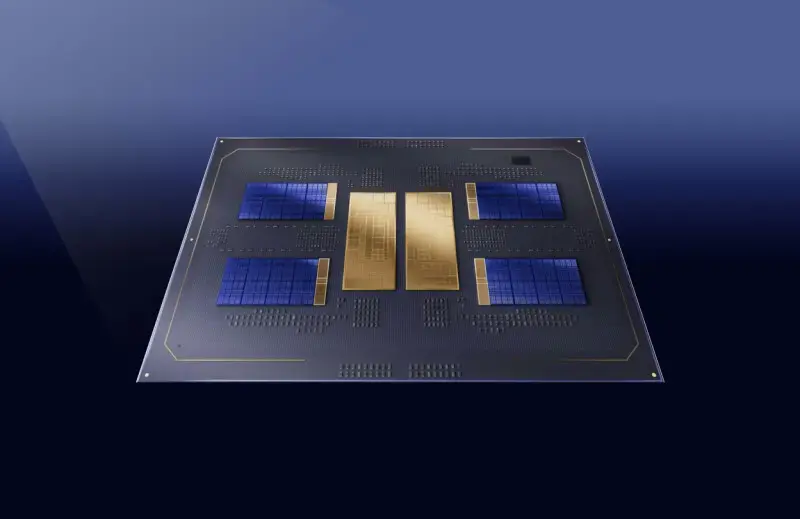
Intel's upcoming Xeon 7 processor line, codenamed Diamond Rapids, was initially expected to debut this year with up to 192 cores and support for 16 memory channels, targeting high-performance computing and data center workloads. However, the launch has been postponed to 2027 due to ongoing engineering challenges and delays in finalizing the design. Despite the setback, Intel continues to position the chip as a significant leap forward in core density and memory bandwidth for future server platforms.
Breaking news
 Canonical’s Web Presence Hit by Second DDoS Assault This Year
 Loops AI Secures $3.5 Million to Power a New AI Operating System for E‑Commerce
 Winverse AI Secures Tens of Millions in Seed Funding from DeepSeek and Long‑Z
 Google Adds Pixel 9 Series to Certified Refurbished Store
The delay reflects broader struggles within Intel's engineering teams, which have faced resource constraints and technical hurdles in bringing next-generation architectures to market. Diamond Rapids was meant to build on the Sapphire Rapids and Emerald Rapids generations, pushing core counts higher while improving efficiency and scalability for AI and HPC applications. Internal sources suggest the extended timeline allows engineers to address lingering flaws in the chip's interconnect and power delivery systems, which could undermine performance if rushed.
Can Intel Deliver on Its 2027 Promise?
Intel's pursuit of higher core counts stems from growing demand in cloud computing, scientific simulation, and large-scale AI training, where parallel processing capabilities directly impact throughput. The Xeon 7 aims to compete with AMD's EPYC line and emerging ARM-based server chips by offering superior memory bandwidth through its 16-channel design. Analysts note that while raw core numbers are impressive, real-world performance will depend heavily on software optimization and workload compatibility.
The 2027 launch window raises questions about Intel's ability to stay competitive in a rapidly evolving semiconductor landscape, where rivals may introduce new architectures years earlier. Success will hinge on whether Diamond Rapids can deliver not just on paper specifications but also on reliability, power efficiency, and ecosystem support. If successful, the chip could redefine expectations for dense multi-socket servers in enterprise and hyperscale environments.
What is the expected core count for Intel's Xeon 7 Diamond Rapids? The processor is designed to support up to 256 cores in its final configuration, an increase from the initially planned 192 cores.
Frequently Asked Questions
Why was the launch delayed to 2027? Intel cited the need for additional engineering time to resolve design flaws and ensure stability, particularly in the chip's memory subsystem and core interconnect.
How does the 16-memory-channel design benefit performance? The wide memory bus allows for significantly higher bandwidth, reducing bottlenecks in data-intensive applications like AI modeling and scientific computing.