Inside the Massive Data Heist Operation
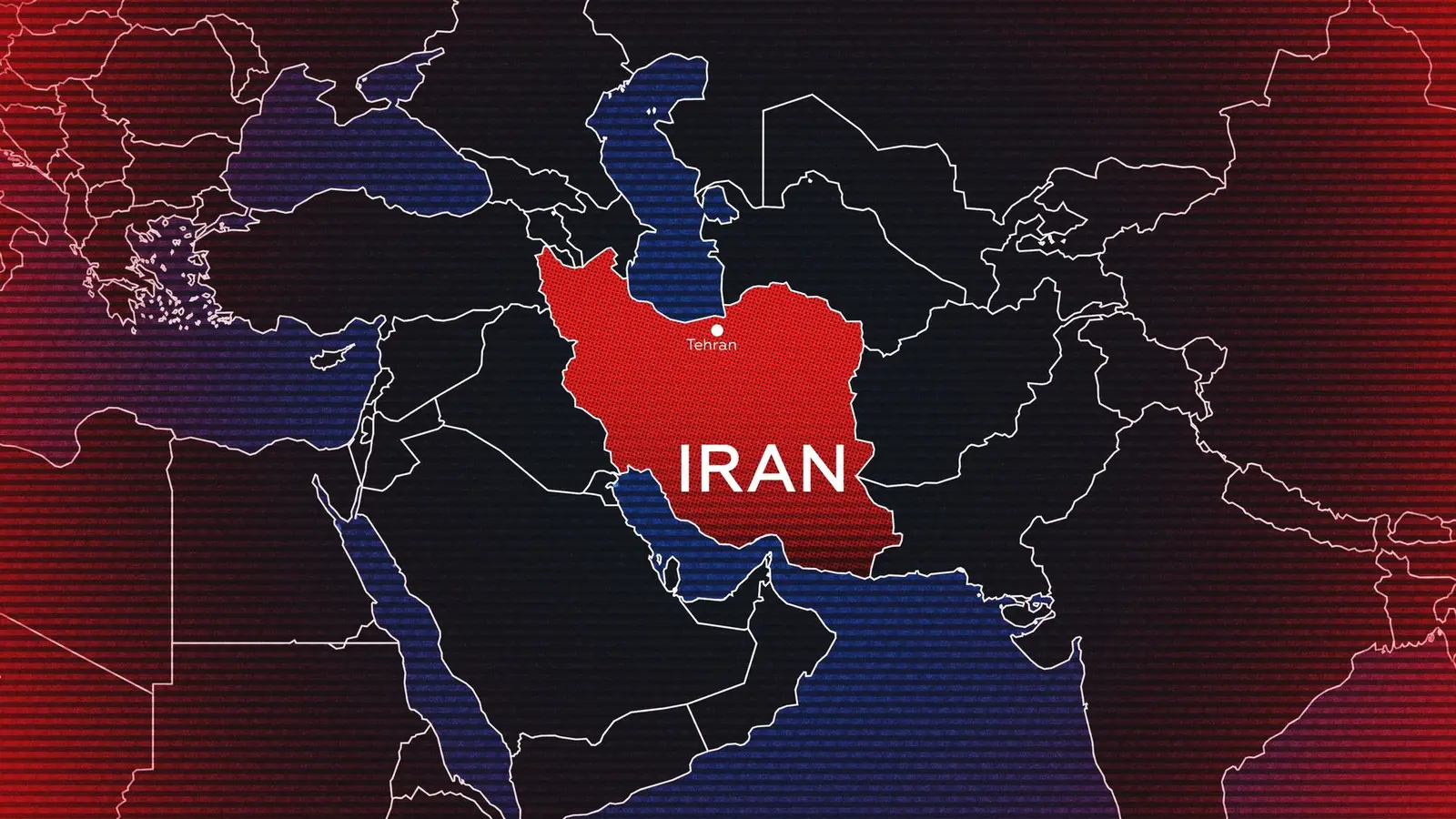
An Iranian-Turkish national was extradited from Montenegro to the United States this week to face charges tied to a massive state-sponsored hacking operation. The suspect allegedly helped orchestrate a years-long cyber campaign that stole sensitive data from over 300 universities and other institutions worldwide.
Breaking news
 Town AI Secures $108 Million Series B, Valued at $1 Billion After $55 M Pre‑Series
 Apple Prepares for Major Product Launch Event on October 28
 Apple Releases Release Candidates for watchOS, tvOS and visionOS 27.2
 Apple Limits iPhone Duo and iPhone 18 Pro Max to Reservation-Only Sales in Japan and South Korea
The extradition marks a significant victory for U. S. law enforcement, which has struggled to prosecute foreign cybercriminals. Prosecutors say the defendant was part of a coordinated effort backed by Iranian state actors, targeting academic, government, and private sector networks between 2018 and 2023.
According to U. S. authorities, the hacking campaign compromised more than 31 terabytes of data, affecting universities across North America, Europe, and the Middle East. Investigators believe the stolen information included research papers, student records, and proprietary academic materials. The operation reportedly caused an estimated $3.4 billion in damages, making it one of the costliest cyber espionage cases in recent history.
How Did This International Manhunt End in Montenegro?
Federal prosecutors emphasized the collaborative nature of the attack, suggesting it involved multiple operatives working under direction from Tehran-based entities. The extradited individual is accused of facilitating network intrusions and managing infrastructure used to exfiltrate data.
Montenegrin officials confirmed the extradition followed a formal request from the U. S. Department of Justice. The suspect had been living under an assumed identity in Podgorica before being detained earlier this year. Legal experts note that extraditions involving cybercrime suspects are uncommon due to diplomatic sensitivities and jurisdictional complexities.
„This case demonstrates our commitment to holding accountable those who threaten global cybersecurity,”said a spokesperson for the U. S. Attorney’s Office. The defendant now faces charges including conspiracy to commit computer fraud and unauthorized access to protected computers.
If convicted, he could receive decades in prison. His arraignment is scheduled for later this month in federal court in Washington, D. C.
Frequently Asked Questions
What kind of data was stolen in the hacking campaign? Over 31 terabytes of data were taken, including academic research, student records, and internal university documents from institutions globally.
Why was Montenegro involved in the extradition? The suspect was apprehended in Montenegro after using a false passport. U. S. authorities worked with Montenegrin law enforcement to secure his transfer.
What are the potential penalties if convicted? He faces up to 35 years in prison on charges of computer fraud and conspiracy, along with possible restitution orders.