Understanding the Chip Hierarchy
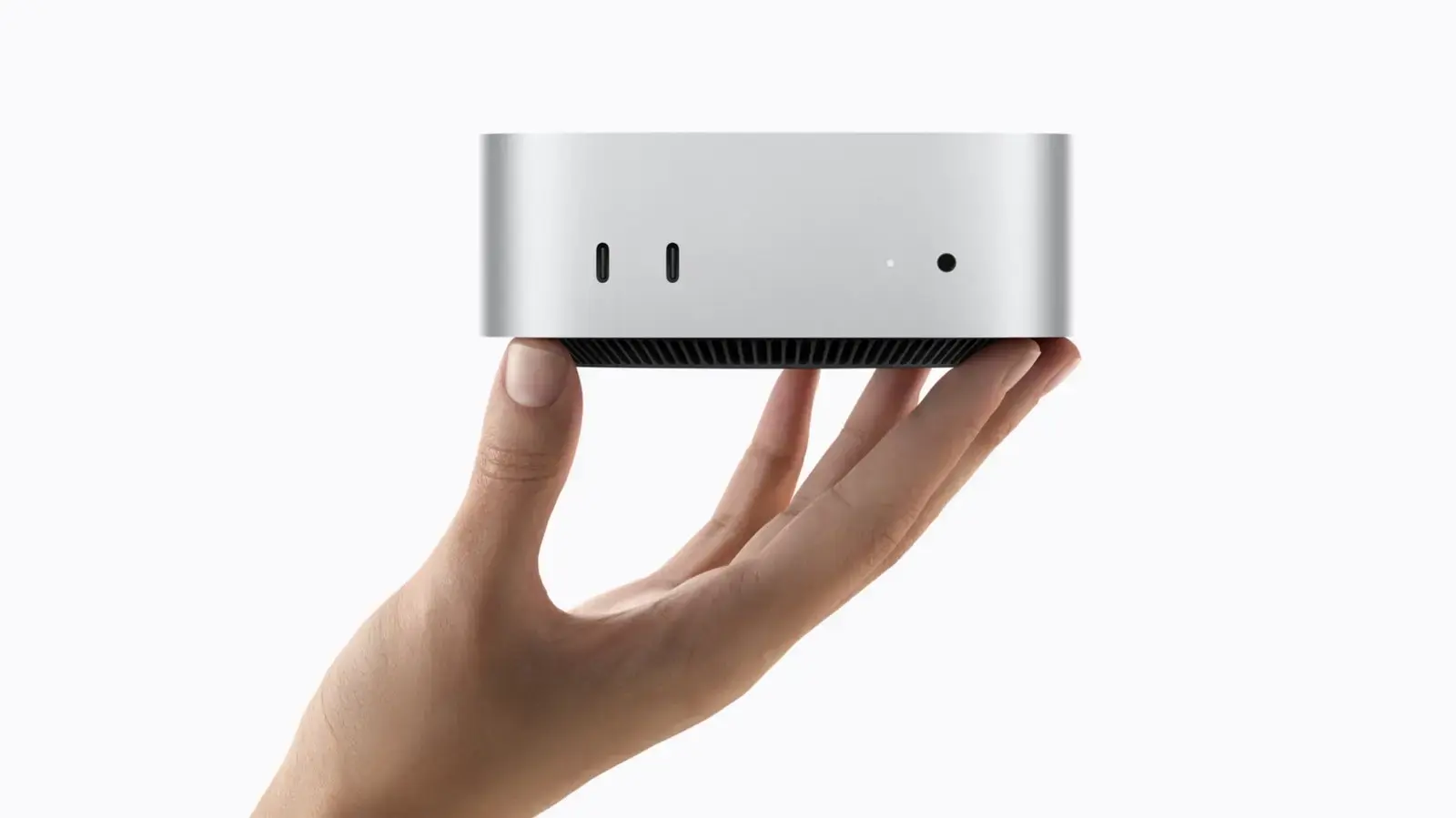
Apple unveiled a significant update to its compact desktop computer this week, introducing a model powered by the new M6 processor. This announcement created immediate confusion among buyers regarding pricing structures. The entry-level Mac mini now features the latest silicon generation. However, the higher-tier configuration retains the M5 Pro chip. This specific setup makes the older-chip model more expensive than the newer base model. The situation highlights a complex reality within Apple’s product lineup. Consumers must look beyond simple numbering systems to understand value. The company has shifted how it labels performance tiers. This change affects how users compare different hardware options.
Breaking news
 Town AI Secures $108 Million Series B, Valued at $1 Billion After $55 M Pre‑Series
 Apple Prepares for Major Product Launch Event on October 28
 Apple Releases Release Candidates for watchOS, tvOS and visionOS 27.2
 Apple Limits iPhone Duo and iPhone 18 Pro Max to Reservation-Only Sales in Japan and South Korea
The core issue lies in Apple’s distinct naming conventions for its chips. A higher number does not automatically indicate superior performance or higher cost. The M6 chip represents the newest generation of Apple Silicon. It offers improved efficiency and speed for standard tasks. In contrast, the M5 Pro chip belongs to the previous generation. Yet, it includes additional cores and enhanced capabilities for professional workloads. These extra features justify the higher price tag on the M5 Pro model. Apple prioritizes raw power over generational recency in this specific tier. The M5 Pro delivers greater computational muscle than the base M6. Therefore, it commands a premium price despite its older designation. This strategy ensures that power users get the hardware they need.
Apple’s silicon roadmap follows a specific logic that often confuses casual observers. The standard M-series chips focus on everyday computing needs. They handle web browsing, media consumption, and light creative work efficiently. The Pro variants add dedicated resources for heavy-duty applications. These include video editing, 3D rendering, and complex software development. The M5 Pro, although from the prior generation, still outperforms the base M6 in many metrics. It features a larger neural engine and more memory bandwidth. These specifications make it ideal for professionals who require sustained high performance. The base M6, while newer, targets the mainstream consumer market. It balances cost and capability for typical users. Apple separates these two markets clearly through pricing and feature sets. This separation allows the company to maintain profit margins across both segments. Buyers must identify their primary use case before selecting a model.
Does Generation Matter More Than Power?
For most users, the answer is no. The M6 chip brings architectural improvements that boost energy efficiency. It runs cooler and lasts longer on battery-powered devices. However, the Mac mini is a desktop unit plugged into wall power. Efficiency matters less here than absolute processing speed. The M5 Pro provides that speed advantage. It handles multi-threaded tasks with greater ease. Users working with large datasets or complex simulations will notice the difference. The newer M6 may feel snappier in single-core tasks. But the Pro version excels when multiple processes run simultaneously. This distinction defines the target audience for each model. Apple expects professionals to choose the M5 Pro. Casual users should opt for the M6. The pricing reflects this intended usage pattern. It is not a mistake but a deliberate design choice.
The shift in naming conventions requires consumers to adapt their buying habits. Looking solely at the chip number can lead to poor decisions. Buyers should examine the full specification sheet instead. They need to consider core counts, memory limits, and GPU capabilities. The Mac mini remains a popular choice for compact workstations. Its small footprint suits tight desk spaces well. The new M6 option lowers the barrier to entry for Apple Silicon. Meanwhile, the M5 Pro retains its appeal for serious creators. Both models serve distinct roles within the ecosystem. Future updates will likely continue this trend. Apple may introduce M7 chips next year. Those will face similar comparisons with existing Pro models. Understanding this hierarchy helps users make informed choices today.
Frequently Asked Questions
Why is the M5 Pro priced higher than the M6? The M5 Pro includes more processing cores and greater memory bandwidth. These features support heavier professional workloads effectively.
Is the M6 chip faster than the M5 Pro? The M6 is faster in single-core tasks due to its newer architecture. However, the M5 Pro wins in multi-core performance benchmarks.
Should I buy the Mac mini with the M6? Yes, if you primarily use the computer for daily tasks. Choose the M5 Pro only if you run demanding creative software regularly.