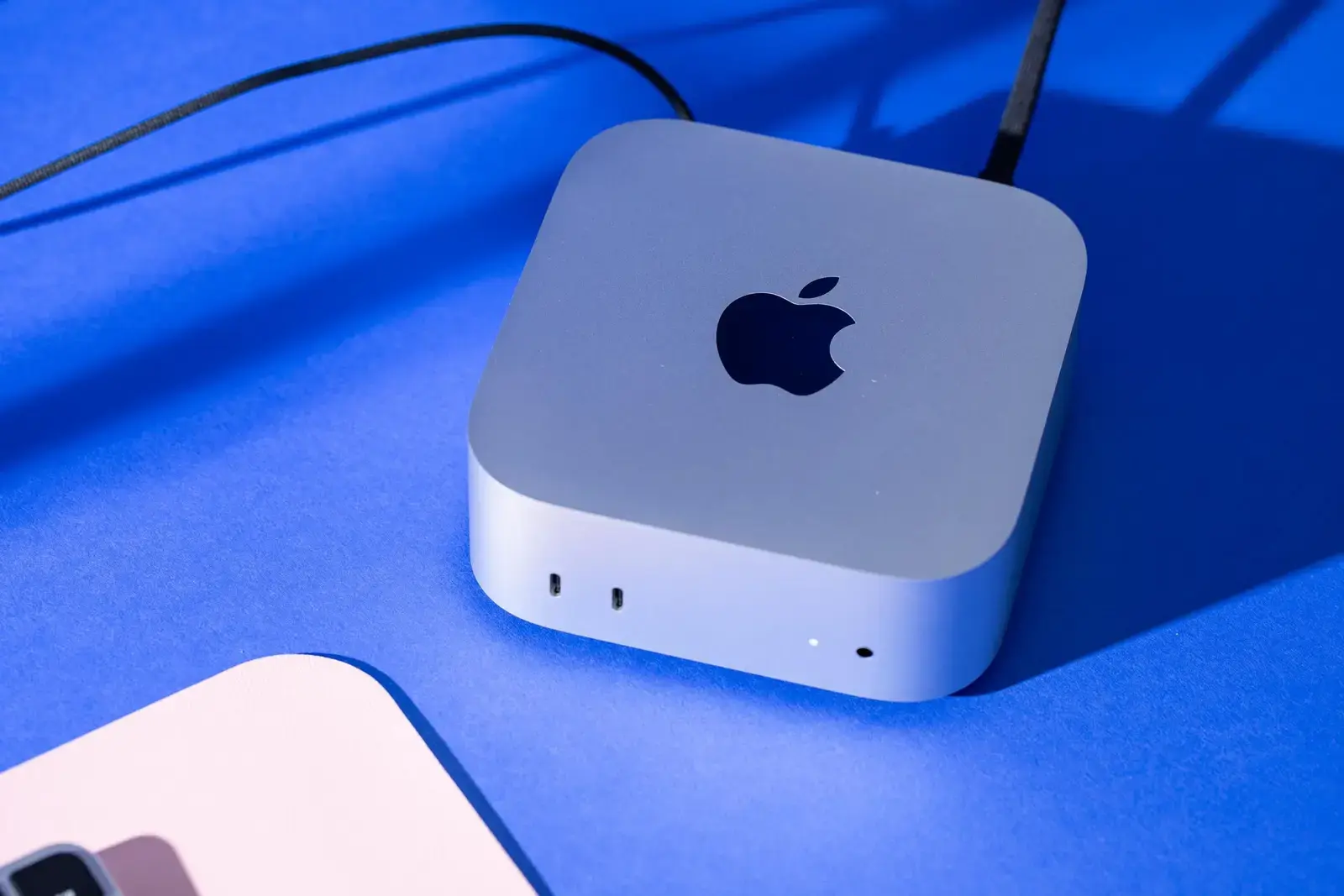
Balancing Performance With Premium Pricing
Apple continues to position the Mac Mini as a compact yet capable desktop option for users seeking performance without bulk. While the device maintains its reputation for high processing power in a small footprint, recent pricing adjustments have made it less accessible to budget-conscious buyers. The computer remains a strong contender in the market, balancing hardware efficiency with a premium cost structure that reflects its engineering quality.
Breaking news
 Trump Orders Federal Agencies to Adopt „Super Intelligence” Terminology
 The Silicon Valley Accountability Gap
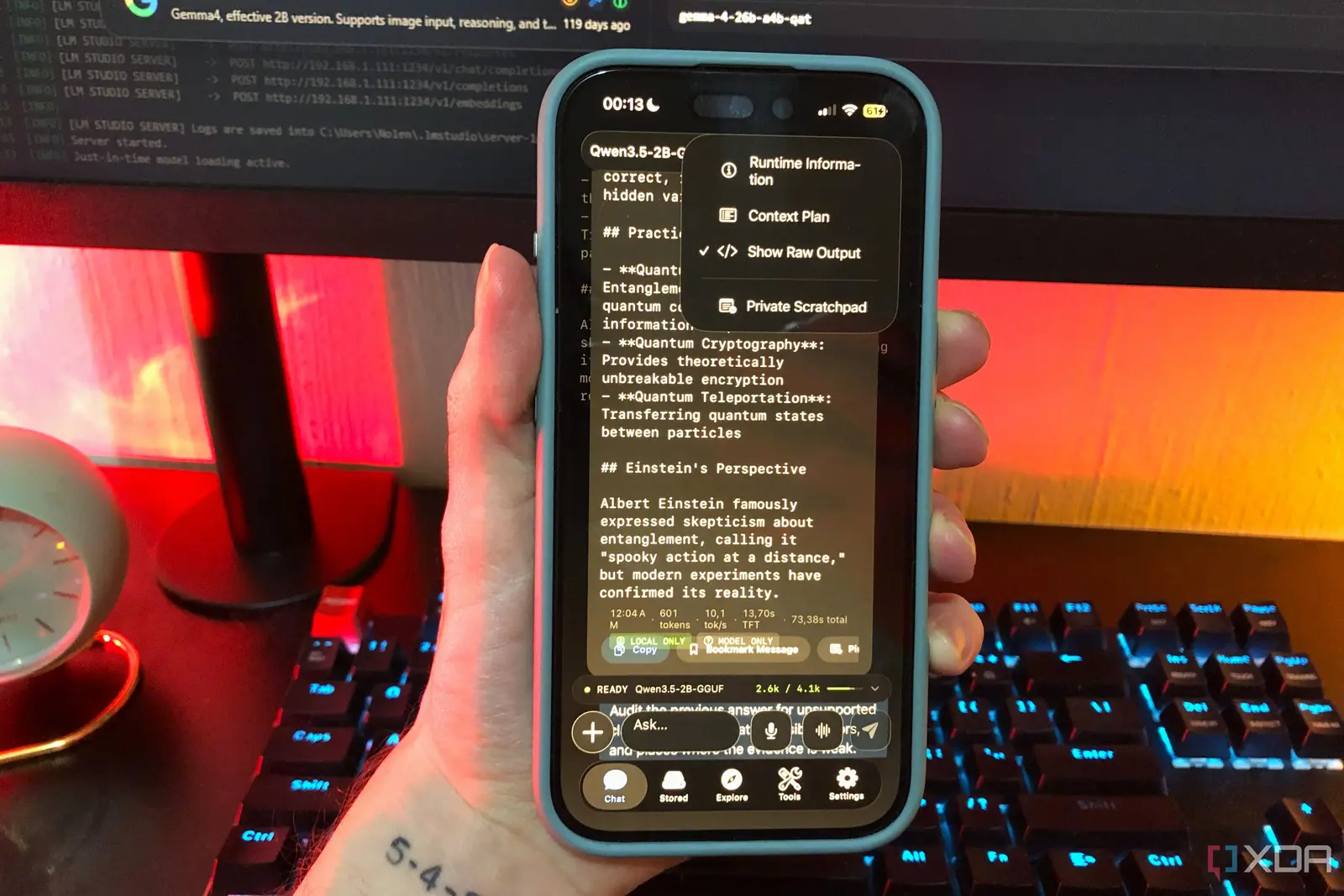 Running a Local AI Model on a Phone Handles Most Chat Prompts
 Google Photos Could Soon Offer a Fresh Start with Ask Photos Feature
The core appeal of the Mac Mini lies in its ability to deliver substantial computing power within an extremely small physical envelope. Unlike larger tower systems or bulky laptops, this machine prioritizes space efficiency without sacrificing speed. Apple has consistently refined the internal components to ensure smooth operation for both creative professionals and general users. However, the entry-level price point has shifted upward, creating a gap between the product’s value proposition and its affordability for casual consumers who might otherwise consider it a default choice.
The shift in pricing strategy highlights a broader trend in the consumer electronics industry where manufacturers prioritize advanced chipsets and energy-efficient designs. These technological upgrades often come with higher manufacturing costs, which are passed on to the end user. For the Mac Mini, this means that while the machine is faster and more efficient than previous generations, it commands a higher sticker price. Buyers must now weigh the benefits of superior performance against the initial financial outlay. This dynamic affects not only individual consumers but also small businesses looking to upgrade their office equipment without breaking the bank.
Is the Compact Desktop Worth the Extra Cost?
Critics argue that the rising cost undermines the device’s historical role as an affordable entry point into the ecosystem. Previously, the compact form factor served as a gateway for users transitioning from other operating systems. Now, the price barrier requires a stronger justification for the switch. Proponents counter that the longevity and resale value of the hardware offset the higher upfront investment. The machine’s durability and support lifecycle suggest that owners may keep the device for longer periods, spreading the cost over time. This trade-off defines the current market position of the product.
Market analysts observe that the demand for small-form-factor PCs remains steady, driven by remote work trends and limited desk space in modern homes. Users who value silence and low power consumption find the Mac Mini particularly attractive compared to traditional desktops. The lack of visible fans and minimal heat generation contribute to a quieter workspace environment. Furthermore, the integration with other devices through wireless connectivity enhances productivity for those already invested in the same software ecosystem. The question of value ultimately depends on individual usage patterns and existing hardware investments.
Looking ahead, the trajectory of the Mac Mini suggests continued refinement rather than radical redesign. Apple is likely to focus on incremental improvements in processing speed and storage capacity while maintaining the familiar chassis. Competitors may respond by offering similar compact machines at lower price points, intensifying competition in this niche segment. Consumers should monitor upcoming releases for potential price adjustments or new tiered configurations that could bridge the affordability gap. The device retains its status as a formidable piece of technology, but buyers must approach the purchase with a clear understanding of its current market standing.
Frequently Asked Questions
Does the Mac Mini require a separate monitor and keyboard? Yes, the system does not include display, input, or audio peripherals. Users must connect their own monitor, keyboard, and mouse to operate the computer effectively.
Is the increased price justified by better performance? The higher cost corresponds to upgraded processors and improved energy efficiency. Whether this is worth it depends on whether the user needs the latest speed or if older models suffice for their specific tasks.
Can the Mac Mini handle video editing and gaming? It supports professional video editing workflows and moderate gaming sessions. The powerful graphics capabilities allow for smooth rendering, though extreme high-end gaming may require external GPU solutions.