
Design Choices Rooted in User Feedback
Meta’s head of product at Superintelligence Labs confirmed on Monday that the company’s new personal agent, Muse, was built from scratch but deliberately designed to resemble the open-source OpenClaw tool. Nat Friedman shared the clarification on X, addressing growing speculation about the striking similarities between the two products. The statement came after users noted Muse’s interface and workflow felt familiar to those who had used OpenClaw.
Breaking news
 Trump Orders Federal Agencies to Adopt „Super Intelligence” Terminology
 The Silicon Valley Accountability Gap
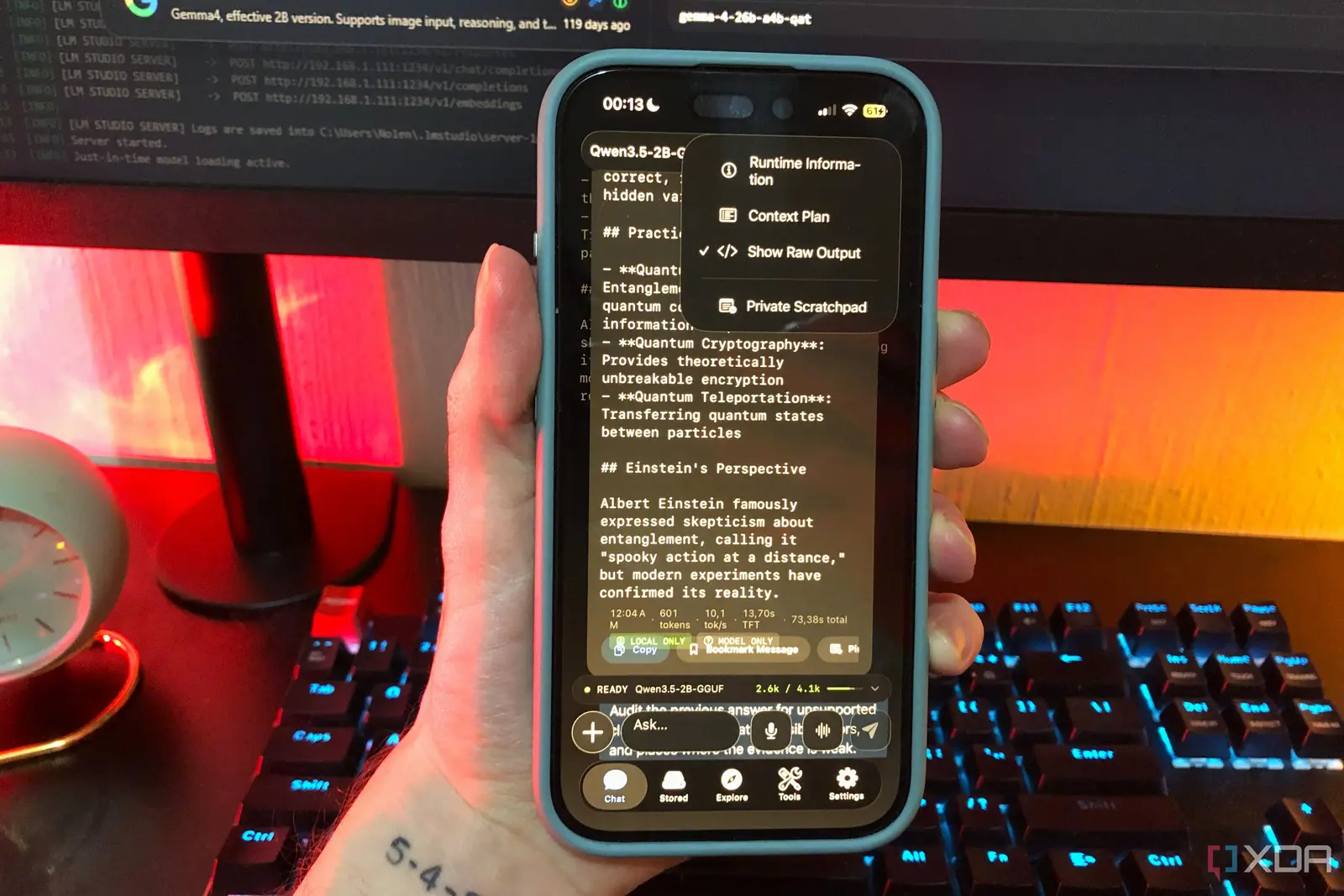 Running a Local AI Model on a Phone Handles Most Chat Prompts
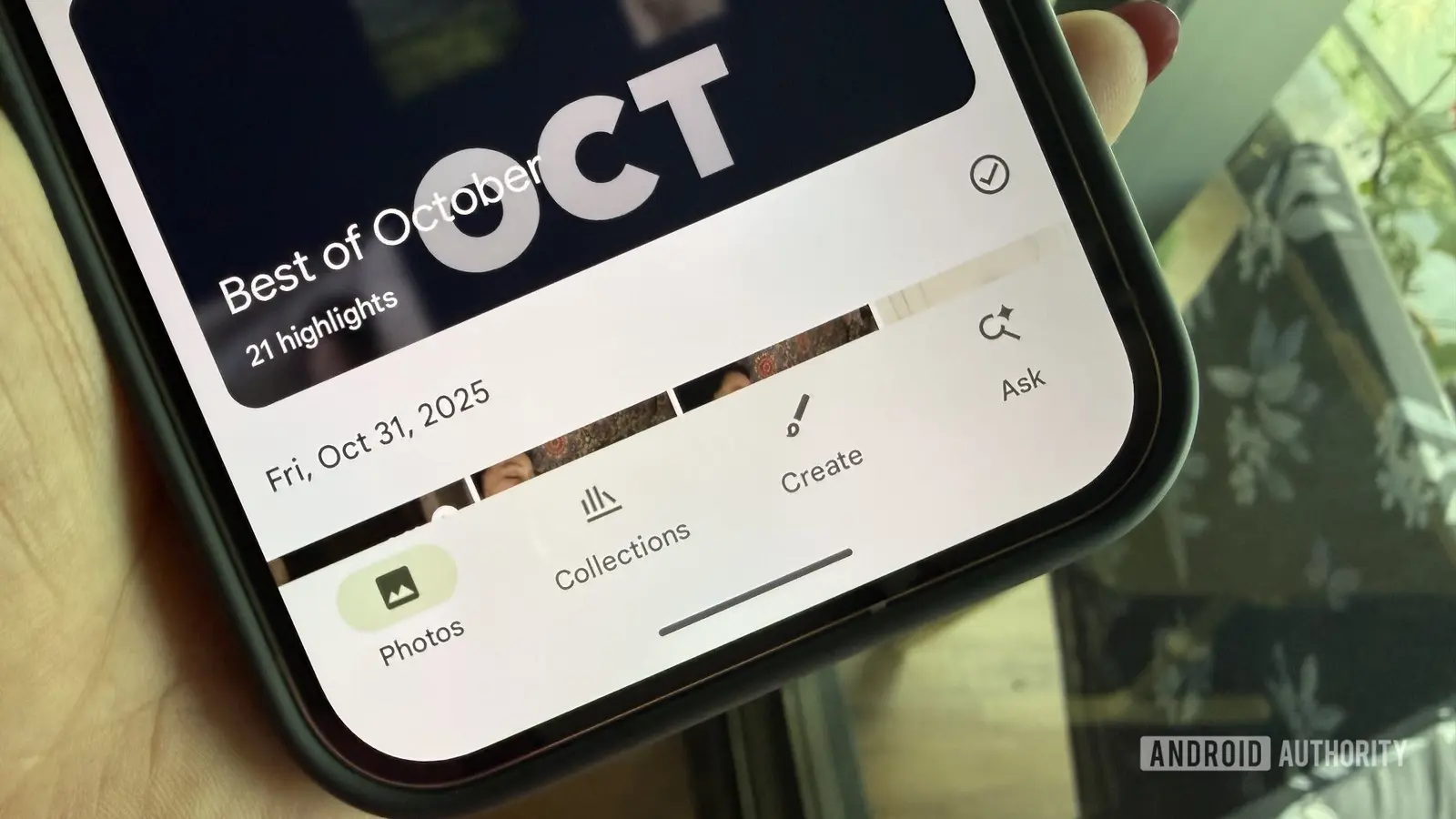 Google Photos Could Soon Offer a Fresh Start with Ask Photos Feature
The acknowledgment follows a two-week period of discussion in tech circles where developers and early testers pointed out overlapping design choices, particularly in how Muse handles task automation and natural language interaction. Friedman emphasized that while Muse was not copied, its creators studied OpenClaw closely to understand what made it effective for power users. He described the approach as learning from a strong open-source example rather than replicating it.
How Does Muse Differ From Its Inspiration?
Friedman explained that Meta’s team analyzed OpenClaw’s popularity among developers seeking customizable AI agents, noting its strength in simplifying complex multi-step processes. Rather than starting from a blank slate, the team used those insights to inform Muse’s architecture, focusing on intuitive command structures and modular functionality. He stressed that original code was written independently, but the user experience goals were shaped by observing what resonated in OpenClaw’s community.
Despite the visual and functional parallels, Friedman highlighted key distinctions, including Muse’s deeper integration with Meta’s proprietary AI models and its focus on consumer-facing workflows over developer tooling. He noted that Muse includes built-in safety filters and real-time adaptation features not present in OpenClaw, aiming to balance flexibility with responsible AI use. The goal, he said, was to take inspiration without inheriting limitations.
Was Muse copied directly from OpenClaw? No, Friedman stated Muse was built from scratch with original code, though its product design was heavily inspired by OpenClaw’s approach to user interaction and task handling.
Frequently Asked Questions
What specific aspects of OpenClaw influenced Muse? Meta’s team looked at OpenClaw’s modular design, natural language command parsing, and workflow chaining capabilities as examples of effective user-centered design in open-source AI agents.
Will Meta contribute back to OpenClaw or collaborate with its developers? Friedman did not announce any formal collaboration or code contributions, emphasizing that Muse remains a proprietary Meta product developed independently.