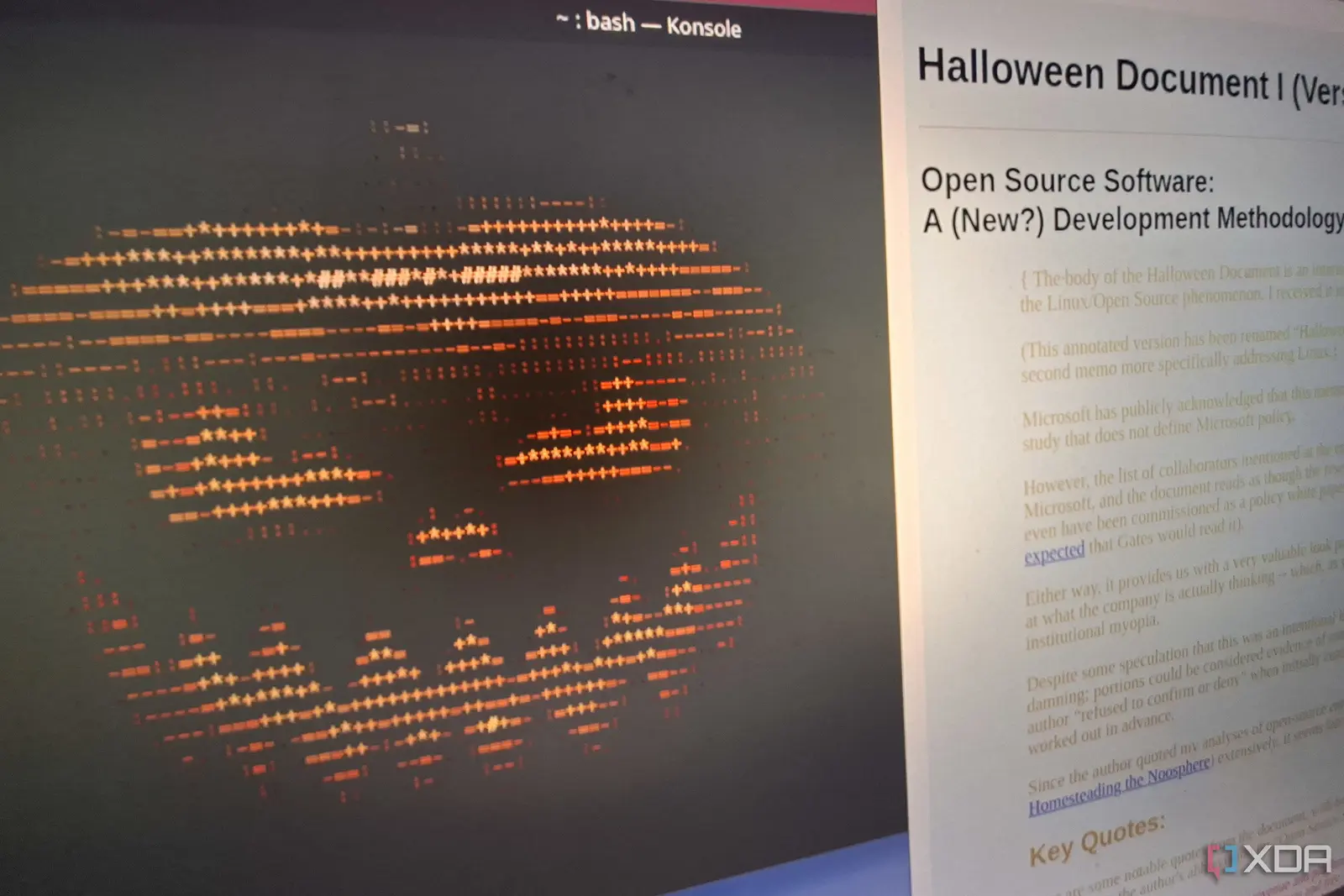
How Microsoft’s Plan Would Have Undermined Linux
In September 2026, a trove of internal Microsoft documents leaked, revealing a long‑planned strategy to undermine Linux. The documents, obtained by security researchers, show how Microsoft intended to use its vast resources to marginalise the operating system, sparking a swift reaction from the open‑source community.
Breaking news
 Town AI Secures $108 Million Series B, Valued at $1 Billion After $55 M Pre‑Series
 Apple Prepares for Major Product Launch Event on October 28
 Apple Releases Release Candidates for watchOS, tvOS and visionOS 27.2
 Apple Limits iPhone Duo and iPhone 18 Pro Max to Reservation-Only Sales in Japan and South Korea
The leak surfaced after a whistleblower, a former Microsoft engineer, anonymously uploaded the files to a secure server. The documents detail a multi‑phase plan that began in 2018, outlining tactics such as targeted patent filings, lobbying for restrictive licensing, and the creation of proprietary tools that would lock Linux users into Microsoft ecosystems. The leak was confirmed by independent analysts and has since been cited in several industry reports.
Open‑Source Community’s Rapid Mobilisation
The strategy involved a coordinated effort across several Microsoft divisions. The first phase targeted software developers, offering lucrative incentives to adopt Windows‑only development kits while simultaneously withholding key open‑source libraries. The second phase focused on cloud infrastructure, proposing to restrict access to Linux containers in Azure unless users subscribed to premium services. The documents also reveal a planned partnership with major hardware manufacturers to pre‑install Windows on new servers, effectively reducing Linux’s market share in data centers.
According to the leaked files, Microsoft’s legal team prepared a series of patent applications that would have covered core Linux functionalities, allowing the company to sue open‑source projects for infringement. The documents also include internal memos discussing the potential economic impact of a weakened Linux ecosystem, estimating a loss of up to 15 % in Microsoft's cloud revenue if Linux remained dominant.
What Does This Mean for the Future of Open Source?
The open‑source community reacted within hours. A coalition of developers, universities, and advocacy groups launched a coordinated response, publishing a public statement that highlighted the ethical implications of Microsoft’s plan. The coalition also released a comprehensive counter‑strategy, including the development of free, open‑source alternatives to Microsoft’s proprietary tools and the creation of a legal defence fund for affected projects.
In a series of livestreams, prominent figures in the Linux world—such as Linus Torvalds and the maintainers of major distributions—discussed the leak and called for increased transparency from corporations. A global petition gathered over 200,000 signatures, demanding that Microsoft disclose its strategy and halt any aggressive tactics against Linux.
The community’s response also involved technical countermeasures. Open‑source developers accelerated the release of new kernel patches that improved compatibility with Microsoft’s cloud services, ensuring that Linux users could still run their workloads without relying on proprietary extensions. Additionally, several open‑source projects announced plans to migrate critical infrastructure to independent hosting providers, reducing dependence on Microsoft’s cloud.
Frequently Asked Questions
The leak has intensified scrutiny of corporate influence over open‑source ecosystems. While Microsoft has issued a statement denying any malicious intent, industry analysts predict that the incident will lead to stricter governance of software patents and increased collaboration between open‑source foundations and corporate stakeholders. The event also underscores the importance of whistleblowing and independent security research in safeguarding digital freedoms.
In the coming months, the open‑source community is expected to strengthen its legal and technical defenses. Microsoft’s reputation may suffer long‑term damage, and the company could face regulatory investigations in multiple jurisdictions. For Linux users, the immediate impact is a surge in community‑driven tools and a renewed focus on interoperability.