What Led to the Decision to Cease Rescue Efforts?
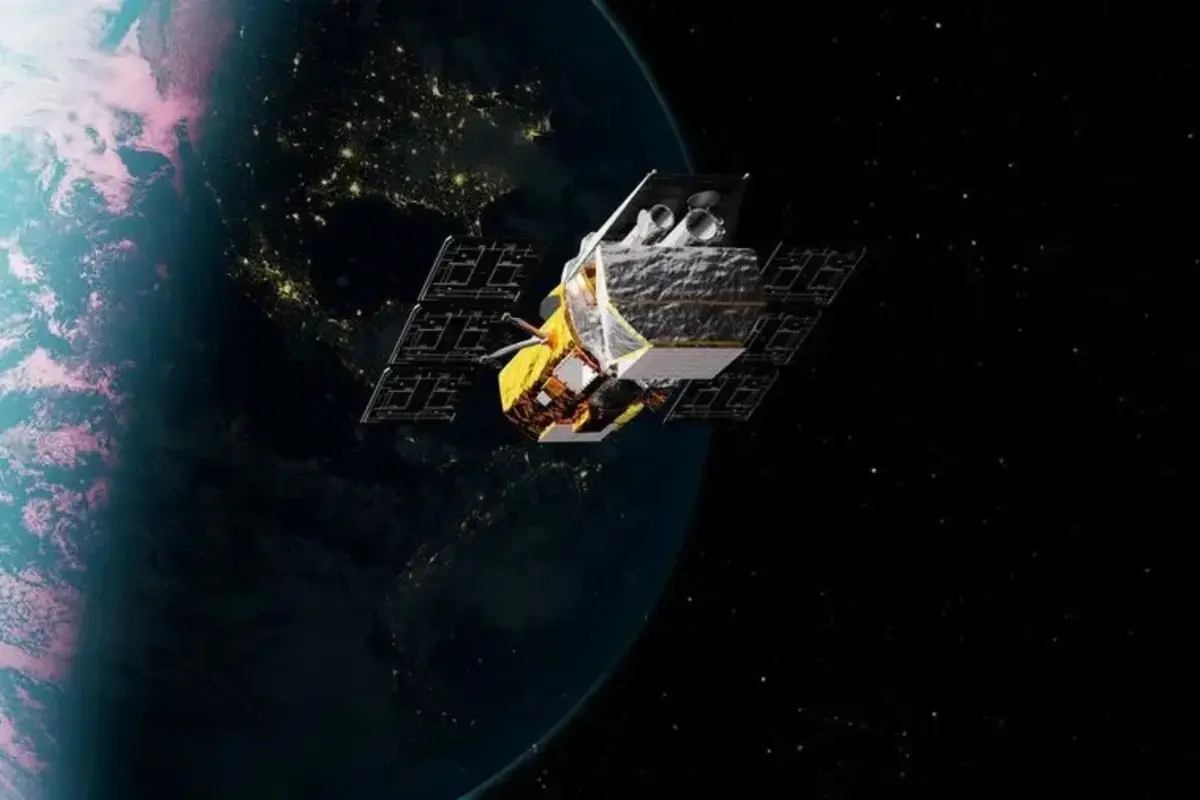
NASA has officially abandoned attempts to salvage the Swift Observatory satellite, which is on a trajectory to re-enter Earth's atmosphere. The decision comes after extensive efforts to stabilize the satellite, which has been operational since 2004. Swift's mission was to study gamma-ray bursts and other cosmic phenomena.
Breaking news
 Eufy Unveils Local AI Home Security Ecosystem at IFA
 The Rapid Evolution of Data Center Security in the AI Era
 The High-Voltage Risks Facing Modern AI Data Centers
 Apple’s New CEO Renames Lake Ontario To Lake America In Maps App
The Swift Observatory has provided invaluable data over its nearly two decades of service. However, technical challenges and the satellite's deteriorating condition have made rescue efforts increasingly impractical. NASA engineers had hoped to regain control of the spacecraft, but the situation has become untenable. Swift's mission has significantly advanced our understanding of the universe, particularly in the field of high-energy astrophysics.
Swift has been a pioneering tool in astronomy, allowing scientists to observe events like supernovae and black hole formations. The satellite's ability to rapidly respond to cosmic events earned it a unique place in space exploration. Despite its successes, the spacecraft has faced technical issues in recent years, leading to a gradual decline in its functionality.
What Happens Next for Swift and Its Data?
NASA's decision to stop rescue attempts underscores the challenges of maintaining aging spacecraft. The agency had previously managed to extend Swift's operational life through various upgrades and interventions. However, the latest technical difficulties proved insurmountable. The satellite is now expected to fall into the atmosphere, where it will likely burn up upon reentry.
As Swift approaches its end, scientists are reflecting on the wealth of data it has collected. The satellite has contributed to over 1,000 scientific papers, making it a cornerstone of modern astrophysics. Researchers are now focused on analyzing the vast amounts of information gathered during Swift's operational years.
The loss of Swift will be felt in the scientific community. Its unique capabilities will be missed, but the data it has provided will continue to fuel research for years to come. NASA is already planning future missions to fill the gap left by Swift and to continue exploring the mysteries of the universe.
Frequently Asked Questions
Why is Swift reentering Earth's atmosphere? Swift is reentering due to a combination of aging technology and the inability to maintain control over the satellite. Technical challenges have made further operations impossible.
What impact has Swift had on astronomy? Swift has significantly advanced our understanding of high-energy astrophysics. Its observations have led to critical discoveries about gamma-ray bursts and other cosmic events.
Will NASA replace Swift? NASA is planning future missions to continue the exploration of space and high-energy phenomena, although specific replacements for Swift have not yet been detailed.