How the ESP32-S3 Powers the Transformation
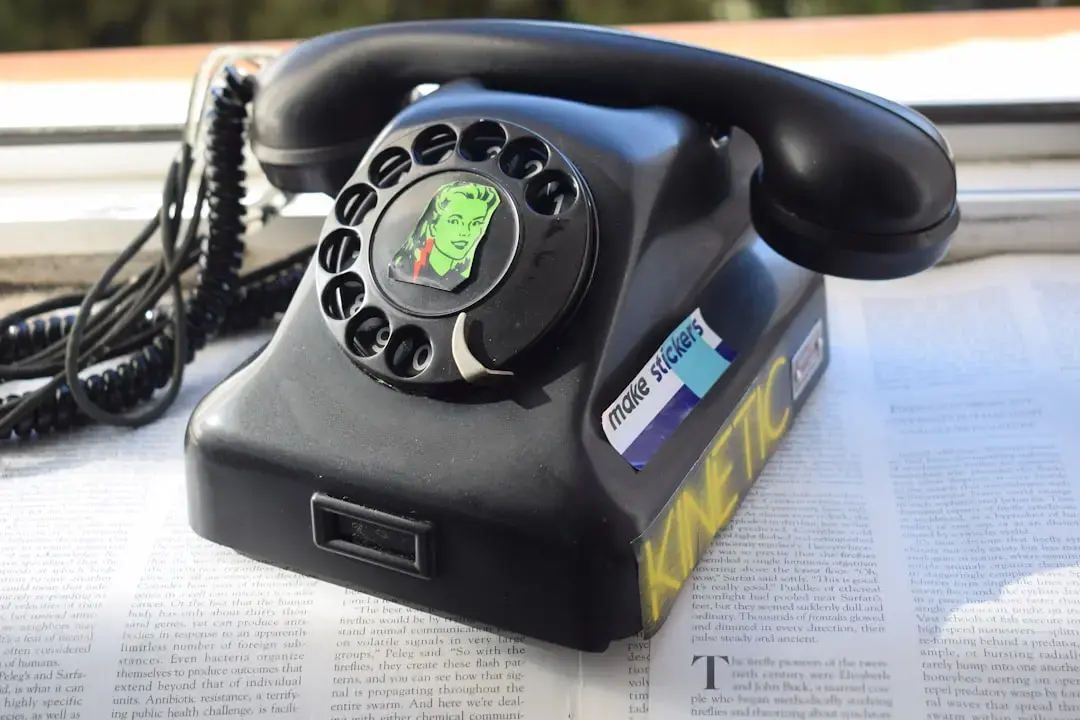
A maker known as fregacmols has developed RotaryCell, a clever modification that transforms classic rotary telephones into fully functional cellular devices without permanent alterations. The project uses an ESP32-S3 microcontroller and LTE hardware to enable voice calls over modern networks while preserving the original phone's authentic look and feel.
Breaking news
 Town AI Secures $108 Million Series B, Valued at $1 Billion After $55 M Pre‑Series
 Apple Prepares for Major Product Launch Event on October 28
 Apple Releases Release Candidates for watchOS, tvOS and visionOS 27.2
 Apple Limits iPhone Duo and iPhone 18 Pro Max to Reservation-Only Sales in Japan and South Korea
The system integrates seamlessly with unmodified rotary phones, maintaining all original components including the handset, rotary dial, switch-hook, mechanical ringer, and internal wiring. Custom electronics are mounted reversibly inside the phone's case, allowing users to restore the device to its original state at any time. This approach respects the historical integrity of vintage telephones while adding contemporary communication capabilities.
At the core of RotaryCell lies the ESP32-S3, a powerful microcontroller that handles signal processing, network communication, and user interface management. The device connects to LTE networks through a dedicated cellular module, converting analog signals from the rotary phone into digital data packets. The system operates on battery power, making it truly portable, and includes charging circuitry for convenient recharging.
Can Other Vintage Phones Be Converted?
The electronics interface directly with the phone's existing components. When a user lifts the handset, the switch-hook triggers the system to establish a cellular connection. Dialing pulses from the rotary mechanism are interpreted by the microcontroller, which translates them into dialed numbers for outgoing calls. Incoming calls activate the mechanical ringer, preserving the authentic tactile experience that modern smartphones lack.
While the current implementation focuses on standard Western Electric-style rotary phones, the modular design suggests potential compatibility with various vintage telephone models. The key requirement is access to the internal network block and jack connections, which most traditional phones possess. However, each model may require specific adapter configurations to match its unique wiring scheme.
The project's open-source nature encourages community development and adaptation for different phone types. The reversible installation method means enthusiasts can experiment without risking damage to valuable collectibles. Battery life currently supports several hours of active conversation, with standby duration depending on signal strength and network conditions.
Looking ahead, RotaryCell represents more than just a technical achievement—it bridges generational communication methods while honoring design craftsmanship from telecommunications' golden age. As interest in retro technology grows, projects like this may inspire new ways to preserve analog experiences within our digital world.
Frequently Asked Questions
What components are required for the RotaryCell modification? The system needs an ESP32-S3 microcontroller, LTE cellular module, battery pack, charging circuit, and various connectors to interface with the phone's internal wiring. All components fit inside the original case.
Does the conversion affect the phone's original functionality? No, the modification is completely reversible. All original components remain functional, and the phone can be restored to its unmodified state by removing the added electronics.
Where can builders find the necessary schematics and code? The complete project documentation, including circuit diagrams, source code, and assembly instructions, is available through the project's GitHub repository.