Can Satellite Connectivity Replace Traditional Mobile Plans?
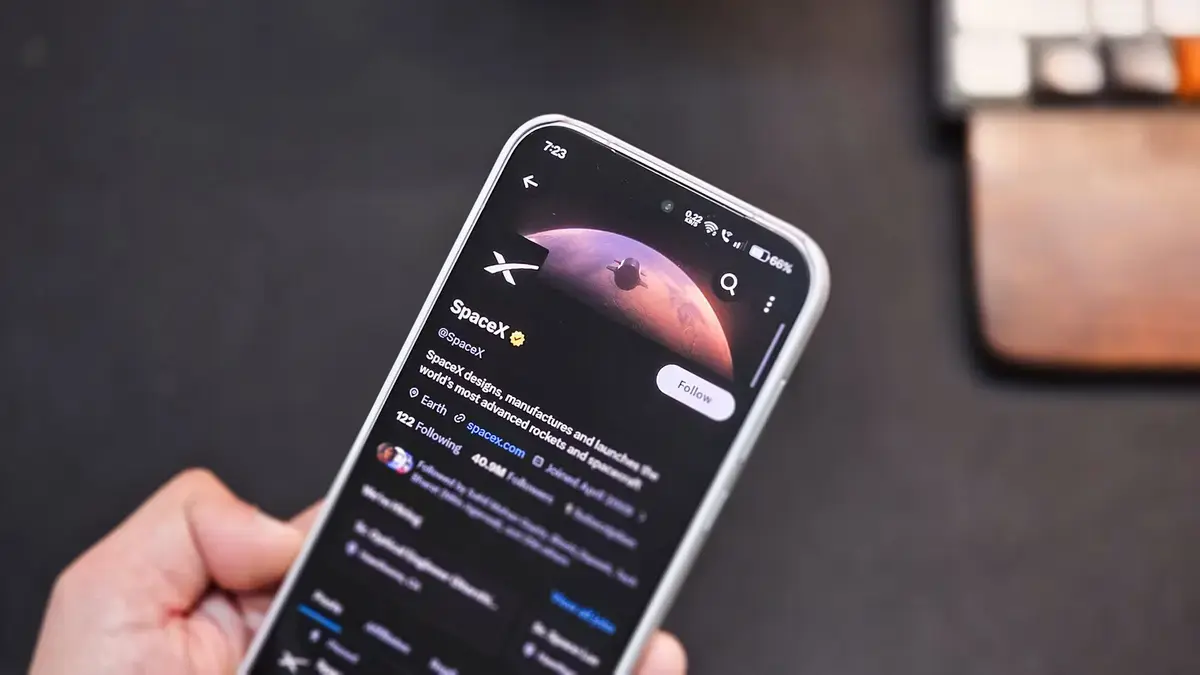
SpaceX is preparing a bold move to disrupt the telecommunications industry by positioning its Starlink satellite network as a direct alternative to traditional mobile carriers. The company aims to leverage its massive constellation of low-Earth orbit satellites to provide seamless cellular coverage, potentially challenging established giants like AT&T, Verizon, and T-Mobile.
Breaking news
 Town AI Secures $108 Million Series B, Valued at $1 Billion After $55 M Pre‑Series
 Apple Prepares for Major Product Launch Event on October 28
 Apple Releases Release Candidates for watchOS, tvOS and visionOS 27.2
 Apple Limits iPhone Duo and iPhone 18 Pro Max to Reservation-Only Sales in Japan and South Korea
The initiative centers on utilizing specialized Starlink hardware installed at homes or businesses to route mobile traffic. By bypassing traditional terrestrial cell towers, SpaceX intends to offer reliable connectivity in areas where cellular service is currently spotty or non-existent. This strategy represents a significant shift in how mobile data and voice services could be delivered to consumers globally.
The core of this strategy involves sophisticated rooftop hardware that acts as a bridge between a user’s mobile device and the Starlink satellite network. By integrating this technology into the home, SpaceX aims to provide a robust signal that functions similarly to a standard cellular connection. This approach effectively turns a private residence into a personal cell site.
Industry analysts suggest that this deployment could fundamentally change the competitive landscape for rural internet and mobile access. By removing the need for physical infrastructure like towers and fiber-optic cables, SpaceX can reach remote populations much faster than traditional providers. The company is betting that the convenience of a rooftop dish will outweigh the existing reliance on legacy cellular networks.
Frequently Asked Questions
The transition to satellite-based mobile service faces significant technical and regulatory hurdles before it can achieve mainstream adoption. SpaceX must prove that its latency and bandwidth can match the performance standards set by modern 5G networks. Furthermore, the company will need to navigate complex licensing agreements to operate as a full-fledged mobile virtual network operator.
If successful, this move could force traditional carriers to lower their prices or accelerate their own satellite integration efforts. Consumers may soon find themselves choosing between a conventional mobile subscription and a satellite-based alternative that promises coverage anywhere the sky is visible. The long-term impact remains to be seen as testing continues across various geographic regions.
How does Starlink intend to provide mobile service? SpaceX plans to use rooftop satellite dishes to relay mobile traffic directly to its low-Earth orbit constellation. This bypasses the need for traditional terrestrial cell towers.
Will this service compete with major carriers? Yes, the company aims to offer a direct alternative to established providers like AT&T and Verizon. It specifically targets users who currently suffer from poor cellular reception.
Is this technology available immediately? The project is currently in development as SpaceX refines its hardware and network capabilities. Widespread commercial availability depends on ongoing technical testing and regulatory approval.