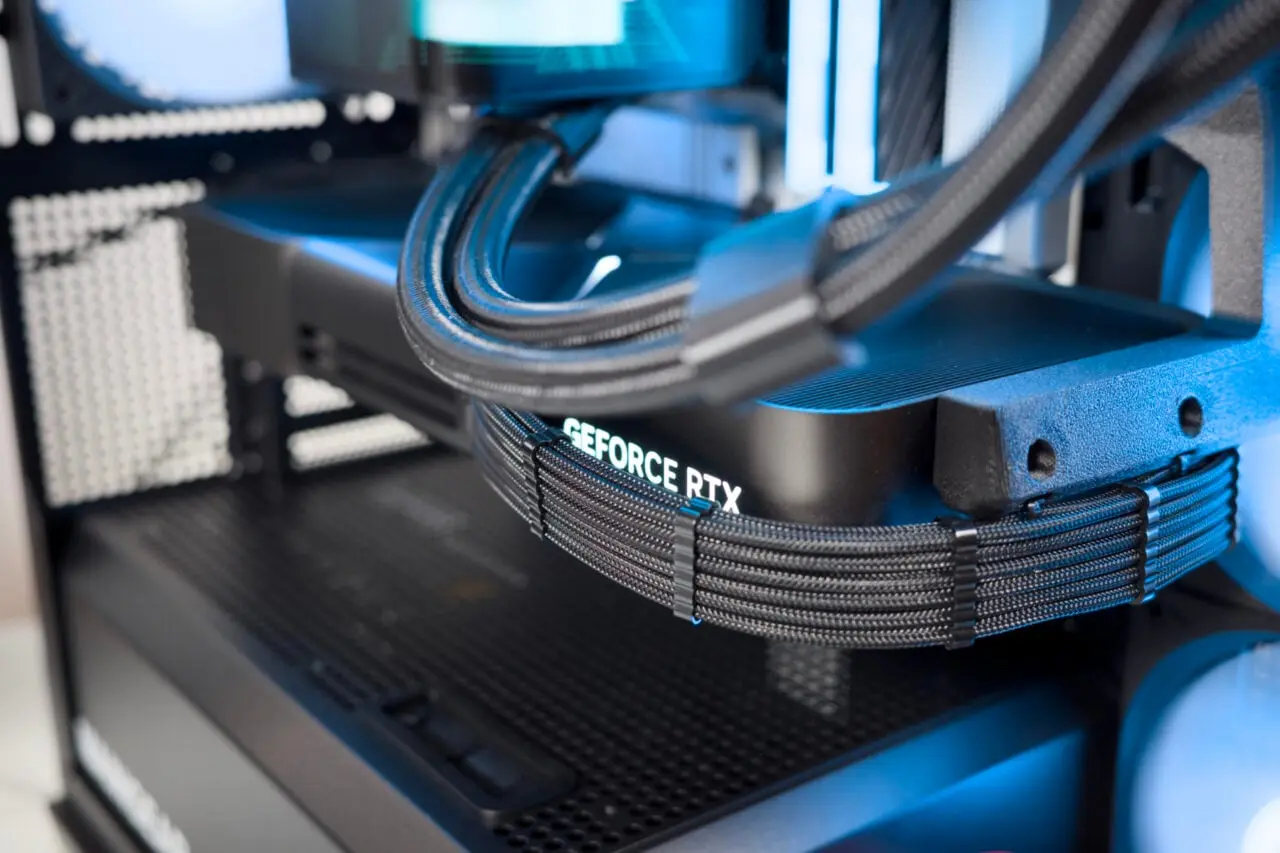
Why the Price Surge Matters
A top‑tier graphics card that costs four times its launch price raises questions about the viability of high‑end PC components. Nvidia has confirmed that the GeForce RTX 5090 remains in production, yet the steep cost renders it impractical for most users.
Breaking news
 Town AI Secures $108 Million Series B, Valued at $1 Billion After $55 M Pre‑Series
 Apple Prepares for Major Product Launch Event on October 28
 Apple Releases Release Candidates for watchOS, tvOS and visionOS 27.2
 Apple Limits iPhone Duo and iPhone 18 Pro Max to Reservation-Only Sales in Japan and South Korea
The RTX 5090 was unveiled in early 2024 as Nvidia’s flagship GPU, promising significant performance gains over its predecessors. Two years later, the card’s price has surged to roughly $10,000, a figure that dwarfs the $2,500 launch price. Despite this, Nvidia has assured industry reporters that the model continues to be manufactured and shipped to select customers.
Is the RTX 5090 Still „Alive”?
The dramatic increase in price reflects a combination of supply chain constraints, rising semiconductor costs, and a shift toward premium, enthusiast‑grade products. Enthusiast forums and tech reviewers note that the RTX 5090’s performance is impressive, but the cost makes it inaccessible for mainstream gamers and professionals. Even the most demanding workloads, such as AI training or high‑resolution rendering, may not justify the expense when more affordable alternatives offer competitive performance.
Nvidia’s spokesperson explained that the company is focusing on specialized markets, including data centers and advanced research labs. „We are meeting the needs of a niche segment that requires extreme performance,” the representative said. However, the company’s statement has been met with skepticism from analysts who argue that a $10,000 GPU is unsustainable in a market driven by price‑performance ratios.
What Does This Mean for the Future of High‑End GPUs?
The term „alive” in the context of PC hardware typically implies that a component is both available and economically viable for typical consumers. While the RTX 5090 is still being produced, its price effectively disqualifies it from being considered viable for most buyers. The card’s availability is limited to a handful of high‑end workstations and select retail partners, and the retail price far exceeds the average consumer budget.
Industry experts suggest that Nvidia’s continued production of the RTX 5090 may be a strategic move to maintain a presence in the high‑end market, but it also signals a shift toward a more fragmented product lineup. Companies that rely on GPUs for machine learning and scientific computing may still find value in the RTX 5090, but the broader PC gaming community is unlikely to adopt it.
Frequently Asked Questions
The RTX 5090’s pricing trajectory indicates that future flagship GPUs may follow a similar pattern, prioritizing raw performance over affordability. This could lead to a market split, where mainstream users opt for more affordable models while professionals and researchers invest in premium hardware. The high price point may also accelerate the adoption of alternative technologies, such as integrated AI accelerators or cloud‑based rendering services, which can deliver comparable performance at a lower upfront cost.
In the long run, Nvidia’s strategy may force competitors to reevaluate their own pricing models. If the market cannot sustain GPUs priced at $10,000, other manufacturers may either lower their prices or focus on niche segments. The result could be a more diverse ecosystem of GPUs, each tailored to specific use cases rather than a single, all‑purpose flagship.