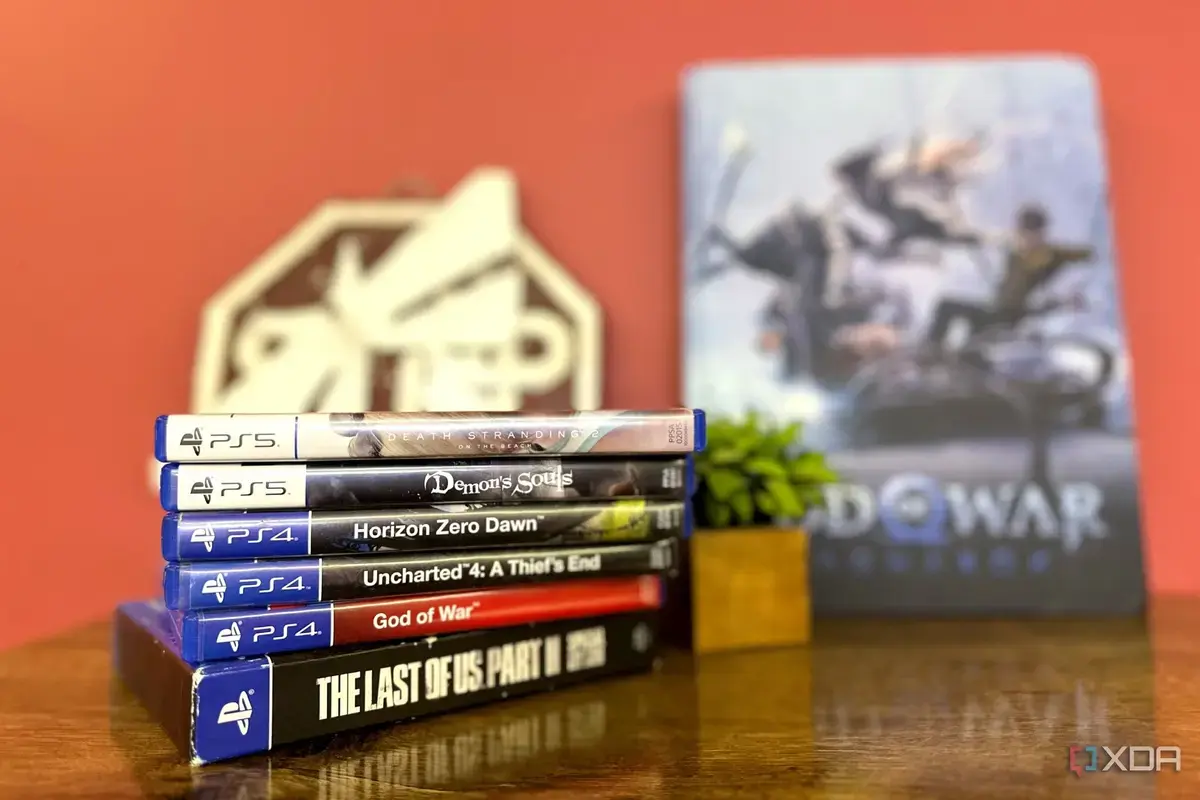
The Erosion of Game Ownership
The year 2026 has brought significant, negative shifts to the video game industry. Gamers are experiencing a decline in traditional ownership of their games. This trend is coupled with increasing prices for new titles. Furthermore, the frequency of major hardware upgrades is diminishing.
Breaking news
 China’s Tech Titans Spend $35 B on Nvidia RTX Pro 5500 GPUs
 Qualcomm to Execute Global Layoffs Following Annual Performance Reviews
 Salesforce to Buy Braze for $5.7 Billion
 Microsoft expands sovereign cloud with EU access controls and offline AI
These changes represent a fundamental alteration in how people interact with and consume video games. The long-term implications for players and the industry are still unfolding. Many within the gaming community have yet to fully grasp the extent of these developments.
Are Games Becoming Too Expensive?
A key concern is the fading concept of owning a game. Digital distribution has become dominant, often replacing physical copies. This means players frequently license games rather than truly owning them. If a platform or service shuts down, access to purchased games can be lost. This shift impacts consumer rights and long-term game preservation.
Another major issue is the rising cost of video games. New releases are consistently priced higher than in previous years. This puts a strain on consumers' budgets. The increased prices are not always met with a proportional increase in game quality or content. This trend could make gaming less accessible for many.
The Slowdown in Hardware Innovation
The pace of hardware innovation has also slowed considerably. Major upgrades to consoles and PC components are less frequent. This means less incentive for players to invest in new systems. It also suggests a plateau in technological advancements within the gaming sector. This stagnation could limit future graphical and performance leaps.
What Does This Mean for Gamers?
These combined factors create a challenging environment for gamers. Less ownership means less control over their digital libraries. Higher prices make the hobby more exclusive. Fewer hardware upgrades might lead to less exciting new experiences. The industry seems to be moving towards a model focused on subscription services and continuous monetization. This could fundamentally change how games are developed and enjoyed.
What is happening to game ownership in 2026? Game ownership is declining as digital licenses replace physical copies. Players often only have access to games as long as the platform or service remains active.
Frequently Asked Questions
Why are game prices increasing? New video game titles are consistently launching at higher price points. This trend is impacting consumer budgets and potentially reducing accessibility to new releases.
Is hardware innovation slowing down? Yes, the frequency of major hardware upgrades for gaming consoles and PCs has decreased. This suggests a potential slowdown in technological advancements within the industry.