Why Mid-Range Hardware Costs Premium Prices
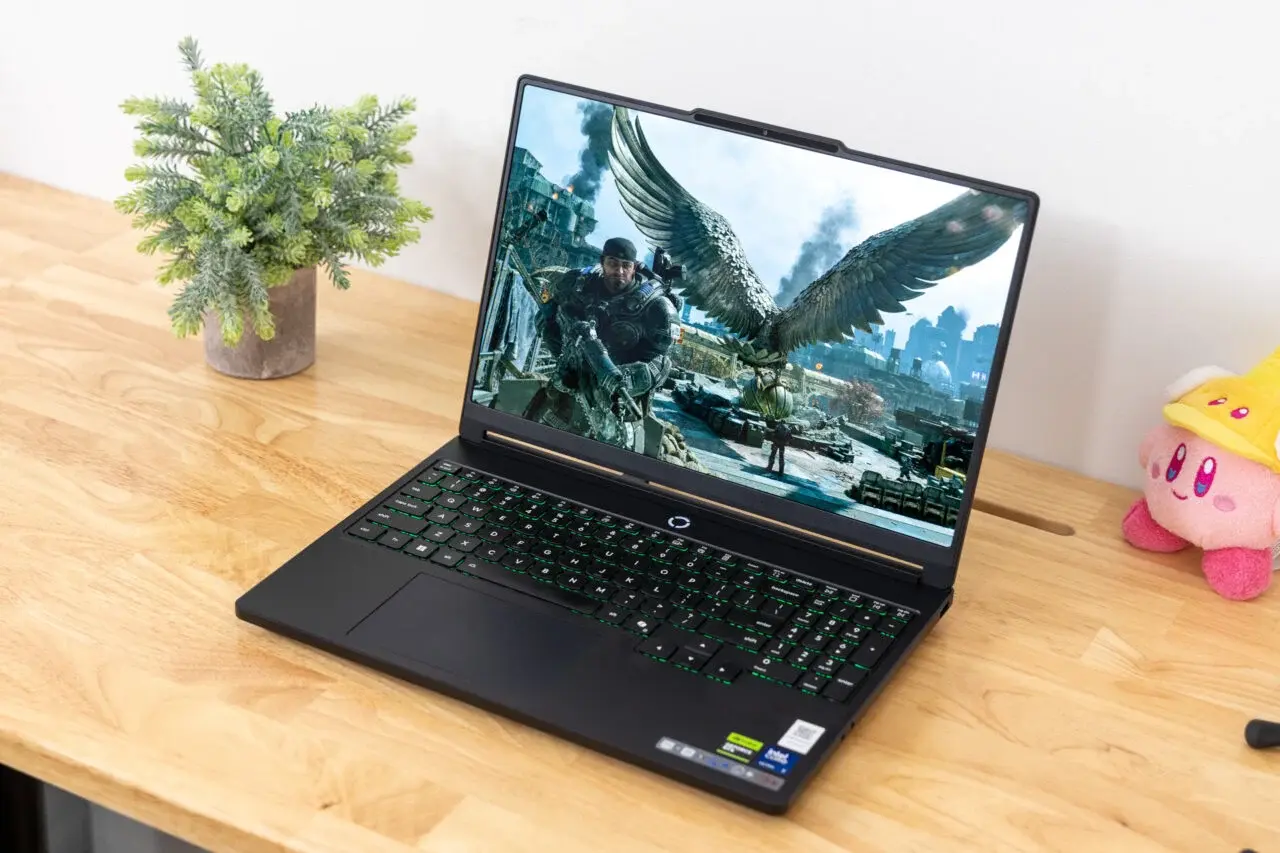
Lenovo has released the 2026 model of the Legion 5i gaming laptop. This mid-range device now commands a price tag exceeding two thousand dollars. Some configurations even reach three thousand dollars. This pricing shift marks a significant change in the consumer electronics market. Buyers face higher costs for hardware that previously cost far less. The release highlights a growing disconnect between product tier and market price.
Breaking news
 Town AI Secures $108 Million Series B, Valued at $1 Billion After $55 M Pre‑Series
 Apple Prepares for Major Product Launch Event on October 28
 Apple Releases Release Candidates for watchOS, tvOS and visionOS 27.2
 Apple Limits iPhone Duo and iPhone 18 Pro Max to Reservation-Only Sales in Japan and South Korea
The new Legion 5i presents a confusing identity. It feels like a lower-end machine in terms of raw performance. However, its chassis and design mimic premium, high-end devices. This aesthetic upgrade does not justify the steep price increase. The laptop sits in an awkward position for buyers. It offers mid-range capabilities but demands premium money. This creates a paradox that defines the current PC market. Consumers must decide if the look is worth the cost.
The pricing strategy reflects broader industry trends. Component costs have risen significantly in recent years. Manufacturers pass these expenses directly to consumers. The Legion 5i exemplifies this reality. A year ago, such a price point seemed exorbitant for this class. Now, it is the standard for new releases. The 11th-generation hardware inside does not match the external price tag. Buyers receive a solid build quality. Yet, the internal specs lag behind true flagship models. This gap creates frustration among enthusiasts. They expect more performance for their money.
Is the Price Justified by Build Quality?
The design language remains a key selling point. The laptop looks sleek and professional. It avoids the flashy, gamer-centric aesthetics of older models. This makes it suitable for office environments. However, the internal components tell a different story. The mid-range processor and graphics card limit peak performance. Users who demand top-tier gaming speeds should look elsewhere. The Legion 5i targets casual gamers and creators. It serves those who need portability over raw power. The price hike forces a reevaluation of value.
The build quality of the 2026 model is undeniably strong. Materials feel durable and high-grade. The screen offers excellent color accuracy. The keyboard provides a comfortable typing experience. These factors contribute to the premium feel. Yet, the cost remains a barrier for many. The laptop competes with devices that offer superior specs. Those alternatives often cost less or provide better value. The Legion 5i relies on brand loyalty. It also relies on the appeal of its design. For some, that is enough. For others, the math does not add up. The market is fragmenting. Buyers must choose between looks and performance.
The outlook for mid-range laptops remains uncertain. Prices are unlikely to drop soon. Supply chain issues persist. Demand for high-end components remains high. Consumers should expect similar pricing in future models. The Legion 5i sets a new baseline. It signals that mid-range no longer means affordable. Shoppers must adjust their expectations. They must also adjust their budgets. The era of budget-friendly high-performance gaming is fading. Premium branding now dominates the mid-tier segment. This shift will likely continue through 2026 and beyond.
Frequently Asked Questions
How much does the 2026 Legion 5i cost? The base price starts well over two thousand dollars. Top configurations can reach three thousand dollars. This represents a significant increase from previous years.
Does the price match the performance? No, the performance is mid-range. The price reflects premium build quality rather than top-tier specs. Buyers should expect average gaming speeds.
Is this laptop suitable for professional work? Yes, the design is professional and understated. It fits well in office settings. However, heavy computational tasks may be limited by the hardware.