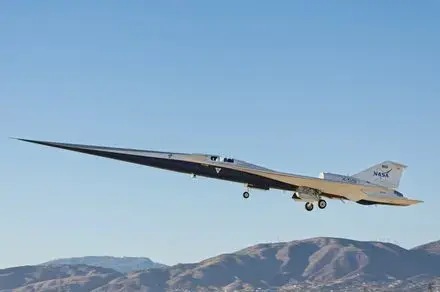
Engineering a Silent Breakthrough
NASA's experimental X-59 aircraft recently achieved supersonic speeds. It reached Mach 1.4, or 924 mph, at an altitude of 55,000 feet. This milestone brings the agency closer to its goal of quiet supersonic flight. The X-59's design is key to overcoming the traditional sonic boom.
Breaking news
 Eufy Unveils Local AI Home Security Ecosystem at IFA
 The Rapid Evolution of Data Center Security in the AI Era
 The High-Voltage Risks Facing Modern AI Data Centers
 Apple’s New CEO Renames Lake Ontario To Lake America In Maps App
This aircraft is designed to minimize the loud boom typically heard when an aircraft breaks the sound barrier. Instead, it aims to produce a much softer thump. This quieter sound could pave the way for new regulations allowing supersonic travel over land. Current rules prohibit such flights due to noise concerns.
The X-59 features a distinctive long, slender nose. This unique shape is crucial for its acoustic performance. It helps to disperse the shockwaves that create the sonic boom. Engineers at NASA have meticulously crafted this design. Their aim is to prove that supersonic flight can be neighbor-friendly.
Will Supersonic Passenger Flights Return?
Further testing will involve flying the X-59 over populated areas. Residents on the ground will then report on the sound they hear. This feedback is vital for validating the aircraft's quiet technology. The data collected will inform future regulatory decisions.
The success of the X-59 could reintroduce supersonic passenger air travel. The iconic Concorde was retired partly due to noise restrictions. A quieter successor could revolutionize long-distance journeys. Imagine flying from New York to London in just a few hours.
If the X-59 proves its concept, it could lead to new commercial aircraft designs. This would significantly reduce travel times across continents. The future of aviation might once again include routine supersonic routes.
Frequently Asked Questions
What is the main goal of the X-59 project? The primary goal is to demonstrate that supersonic flight can be achieved without creating a disruptive sonic boom. NASA hopes to produce a quiet thumpinstead, making overland supersonic travel acceptable.
How does the X-59 reduce the sonic boom? The aircraft's unique, long, and slender nose cone is specifically designed to reshape and disperse the shockwaves. This engineering innovation prevents the shockwaves from merging into a loud, single boom.
What impact could this technology have on air travel? If successful, this technology could lead to a change in current regulations that ban supersonic flight over land. This would open the door for a new generation of commercial supersonic passenger jets, drastically cutting travel times.