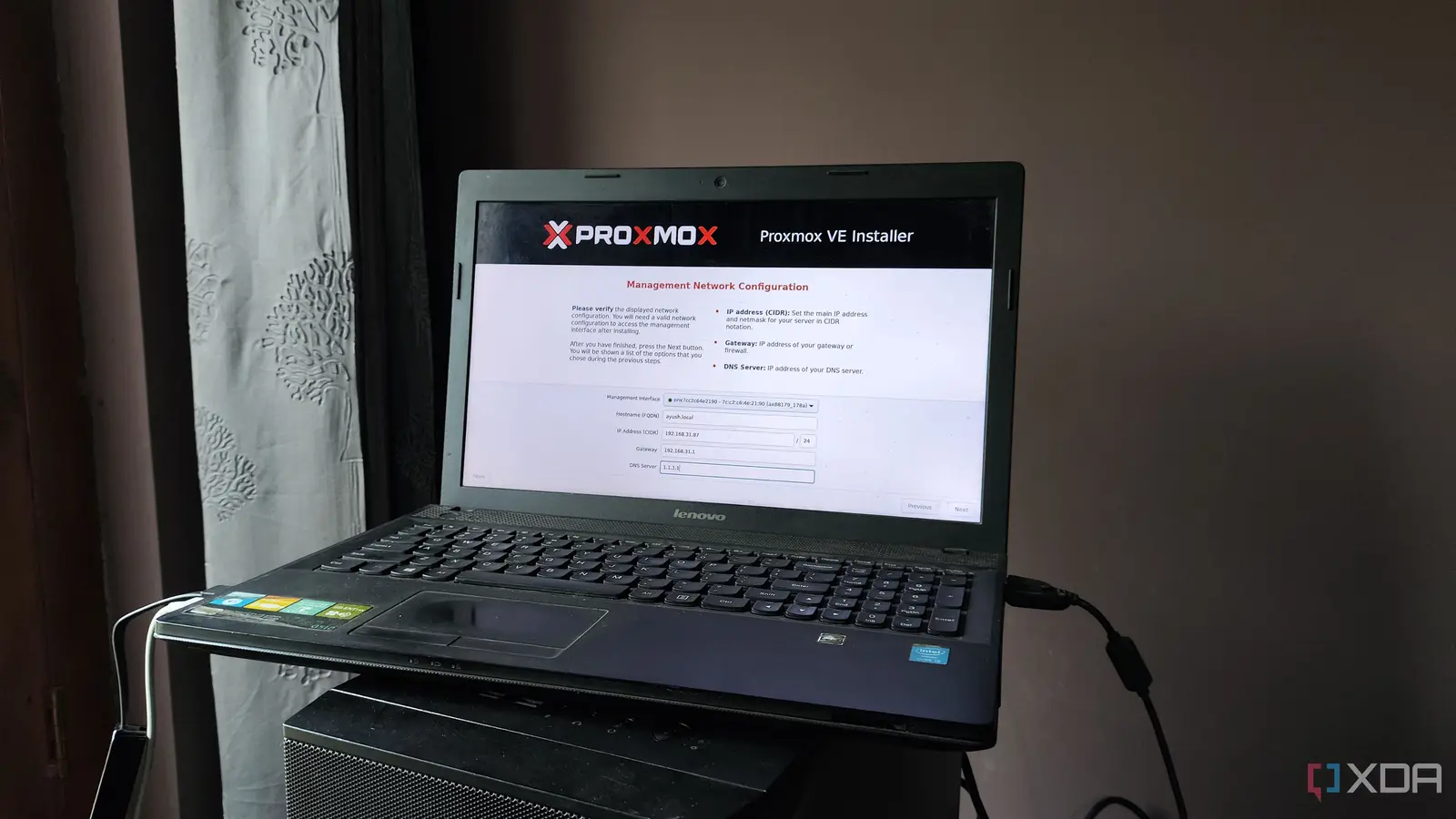
Why performance matters more than size in home servers
An aging laptop gathering dust in a drawer can serve as a capable home server, offering superior performance compared to a new Raspberry Pi while avoiding additional expense. This approach leverages existing hardware for tasks like media streaming, file sharing, or running lightweight services, making it a practical choice for hobbyists and home users seeking efficient, low-cost solutions.
Breaking news
 Trump Orders Federal Agencies to Adopt „Super Intelligence” Terminology
 The Silicon Valley Accountability Gap
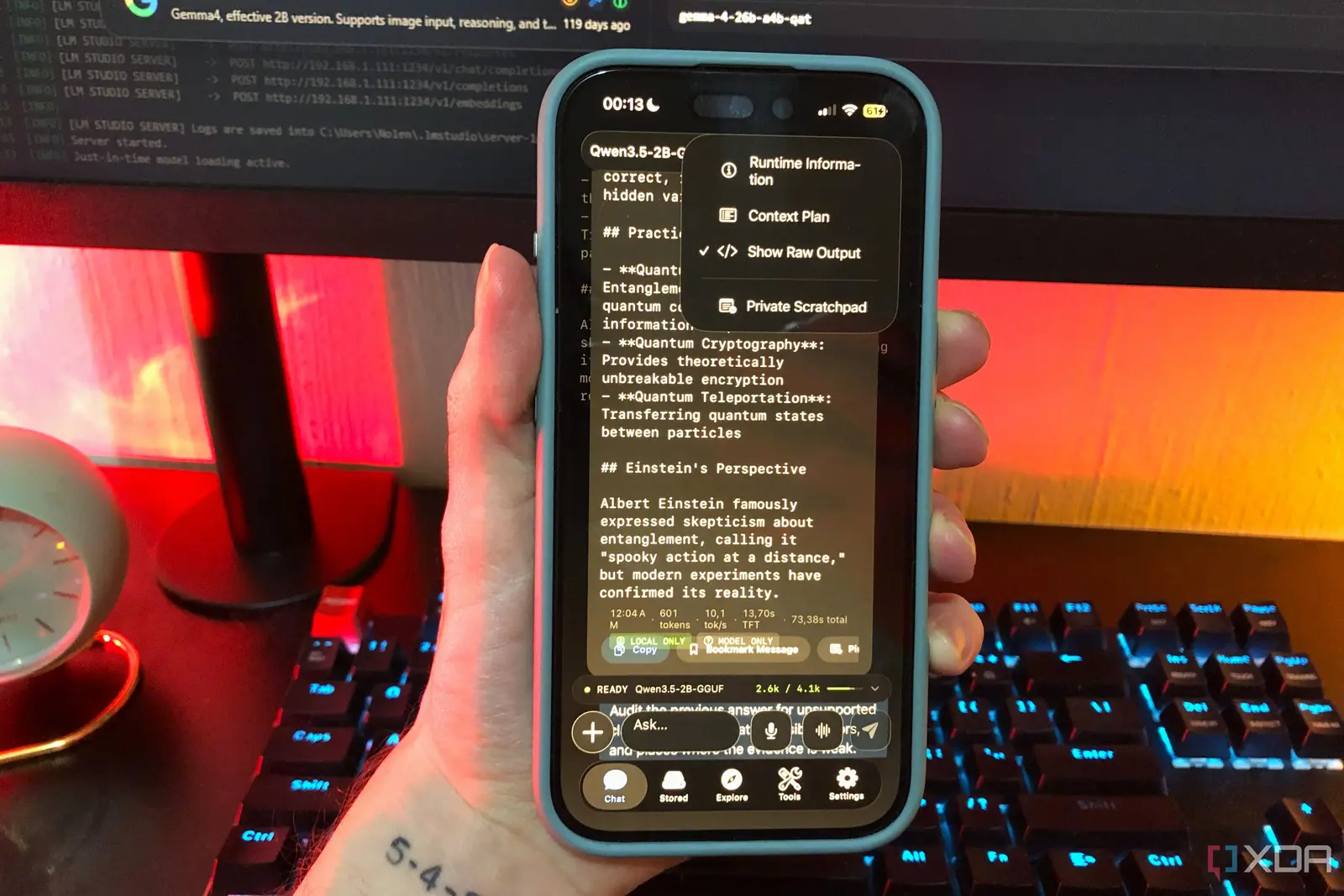 Running a Local AI Model on a Phone Handles Most Chat Prompts
 Google Photos Could Soon Offer a Fresh Start with Ask Photos Feature
Older laptops typically feature more RAM, faster storage, and stronger processors than entry-level Raspberry Pi models, enabling smoother multitasking and better handling of server workloads. Unlike single-board computers that may require additional accessories like power supplies, cases, and cooling fans, laptops come with built-in screens, keyboards, and batteries—useful for initial setup or troubleshooting. Ayush Pande notes that repurposing such devices reduces electronic waste and extends the lifecycle of functional hardware, aligning with sustainable tech practices.
Can a laptop truly replace a dedicated server for home use?
While Raspberry Pi boards are compact and energy-efficient, their limited processing power can bottleneck tasks such as transcoding 4K video or running multiple Docker containers simultaneously. A laptop with an Intel Core i5 or equivalent, even from several years ago, often outperforms the Pi in CPU-intensive scenarios. Storage is another advantage—laptops usually include 256GB or more of SSD storage, whereas Pi users frequently rely on slower microSD cards unless investing in USB-SSD adapters. These factors contribute to a more responsive and reliable server experience without the need for costly upgrades.
For most personal applications—like hosting a personal cloud, running a Pi-hole ad blocker, or managing a home automation hub—a repurposed laptop provides ample capability. It may not match enterprise-grade reliability, but for non-critical, always-on tasks, its balance of performance, accessibility, and zero acquisition cost makes it a compelling alternative. Users should consider power draw, as laptops consume more energy than Pis, though enabling sleep modes or scheduling active hours can mitigate this. Over time, the environmental benefit of reusing existing hardware often outweighs minor increases in electricity use.
What operating system works best on an old laptop used as a server? Lightweight Linux distributions like Ubuntu Server, Debian, or DietPi are ideal due to low resource usage and strong community support. Avoid heavy desktop environments unless a GUI is specifically needed.
Frequently Asked Questions
How loud is a laptop running 24/7 as a server? Fan noise varies by model and thermal load; cleaning vents, using a cooling pad, or undervolting the CPU can reduce noise. Many users place the laptop in a closet or basement to minimize disturbance.
Is it safe to leave an old laptop plugged in constantly? Modern laptops manage battery health well when left plugged in, especially if the battery is kept between 20% and 80% charge. Removing the battery (if possible) and running on AC power alone can further prolong its lifespan.