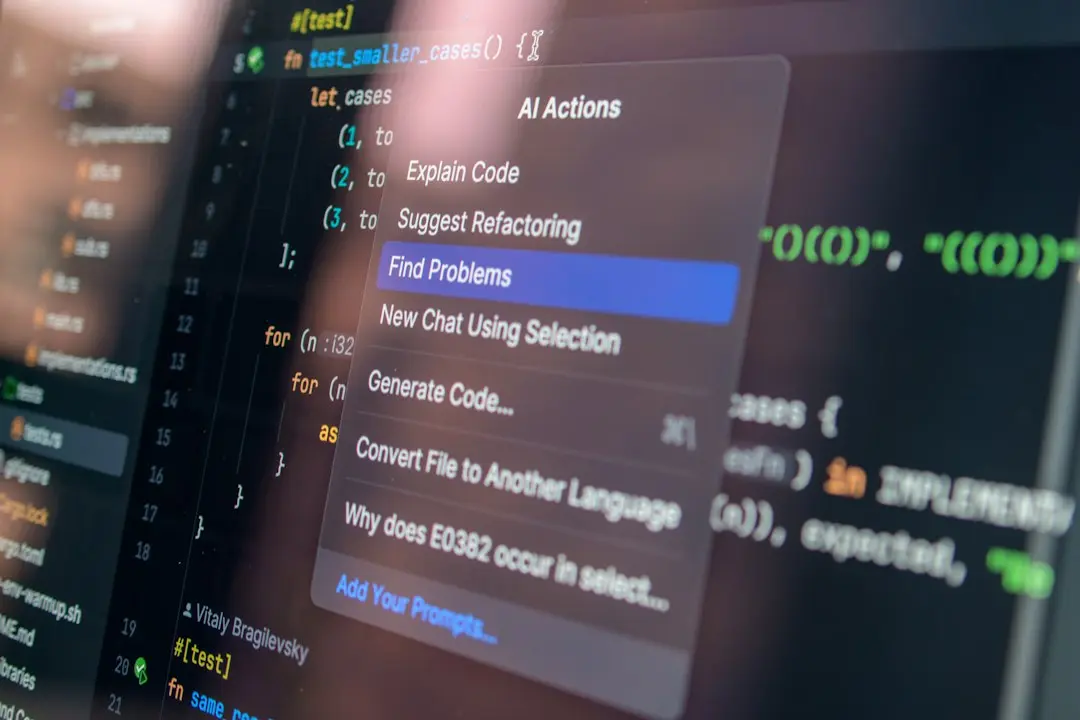
Breaking Free from Ecosystem Lock-in
Software developers are increasingly turning toward OpenCode, a new open-source AI agent designed to break the limitations of popular coding tools. While platforms like Cursor and Claude Code have gained significant traction, they often lock users into specific ecosystems. OpenCode offers a transparent alternative that prioritizes user autonomy and model flexibility.
Breaking news
 Samsung Shifts Galaxy Watch Strategy to Two-Year Release Cycle
 Tesla rolls out FSD v15 with major safety upgrade
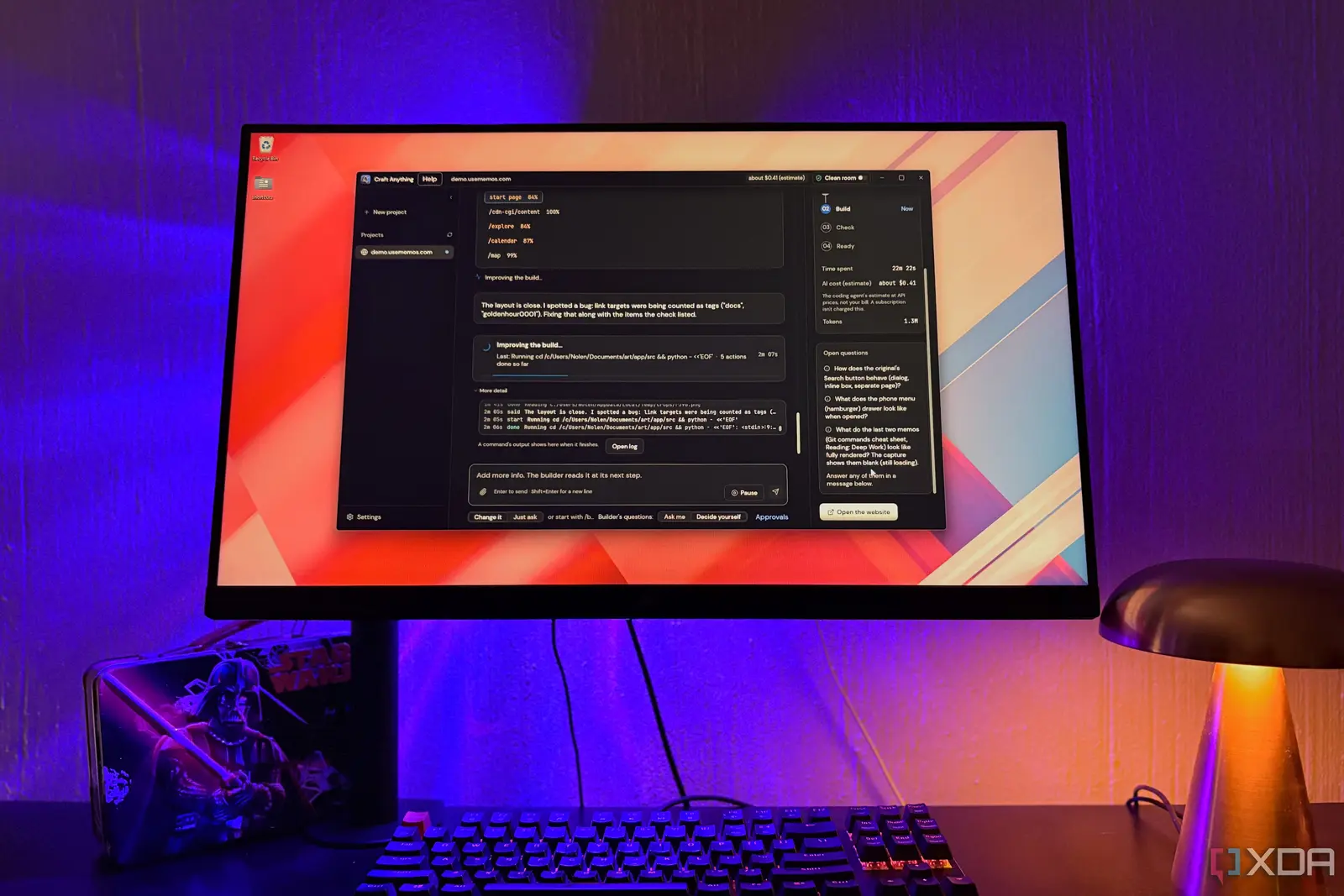 Open-Source Tools Challenge AI-Powered Development Platforms
 AI Infrastructure Bottlenecks: Why Release Pipelines Hold Back Fast Clusters
Modern AI assistants have revolutionized programming, yet they frequently restrict developers to a single provider's environment. This dependency can limit experimentation and hinder long-term project portability. OpenCode addresses these concerns by providing an open-source framework that functions independently of proprietary constraints. It allows engineers to integrate their preferred models without sacrificing performance or workflow efficiency.
The primary appeal of this tool lies in its modular architecture. Unlike closed-source counterparts that dictate which models you can utilize, OpenCode gives developers total control over their environment. This flexibility enables teams to swap between different language models depending on the specific requirements of their codebase. By removing the walled gardenapproach, the project fosters a more collaborative and adaptable development process.
Is Total Model Freedom the Future of Programming?
Many developers find that proprietary tools prioritize ease of use at the expense of deep customization. OpenCode reverses this trend by emphasizing transparency and user choice. Because the underlying code is accessible, contributors can audit the agent’s logic and improve its functionality. This open approach ensures that the tool evolves based on community needs rather than corporate roadmaps.
The rise of open-source agents suggests a shift in how engineers interact with AI. As the market matures, the ability to switch between models seamlessly will likely become a standard requirement for professional workflows. By decoupling the agent from the underlying model, OpenCode empowers users to avoid vendor dependency. This shift could redefine how developers build and maintain complex software systems in the coming years.
Frequently Asked Questions
The long-term impact of this project will depend on community adoption and the speed of its feature development. If it continues to gain momentum, it may force larger, proprietary platforms to adopt more open standards. For now, it represents a significant step toward a more democratic and flexible landscape for AI-assisted software development.
What makes OpenCode different from existing coding assistants? It is a completely open-source agent that avoids locking developers into a single proprietary ecosystem. This allows users to choose their preferred models and customize their environment freely.
Can I use any AI model with this tool? Yes, the platform is designed to provide the freedom to integrate various models. This modularity ensures that you are not restricted to the specific offerings of a single corporate provider.