Record-Setting Volume of Automated Submissions
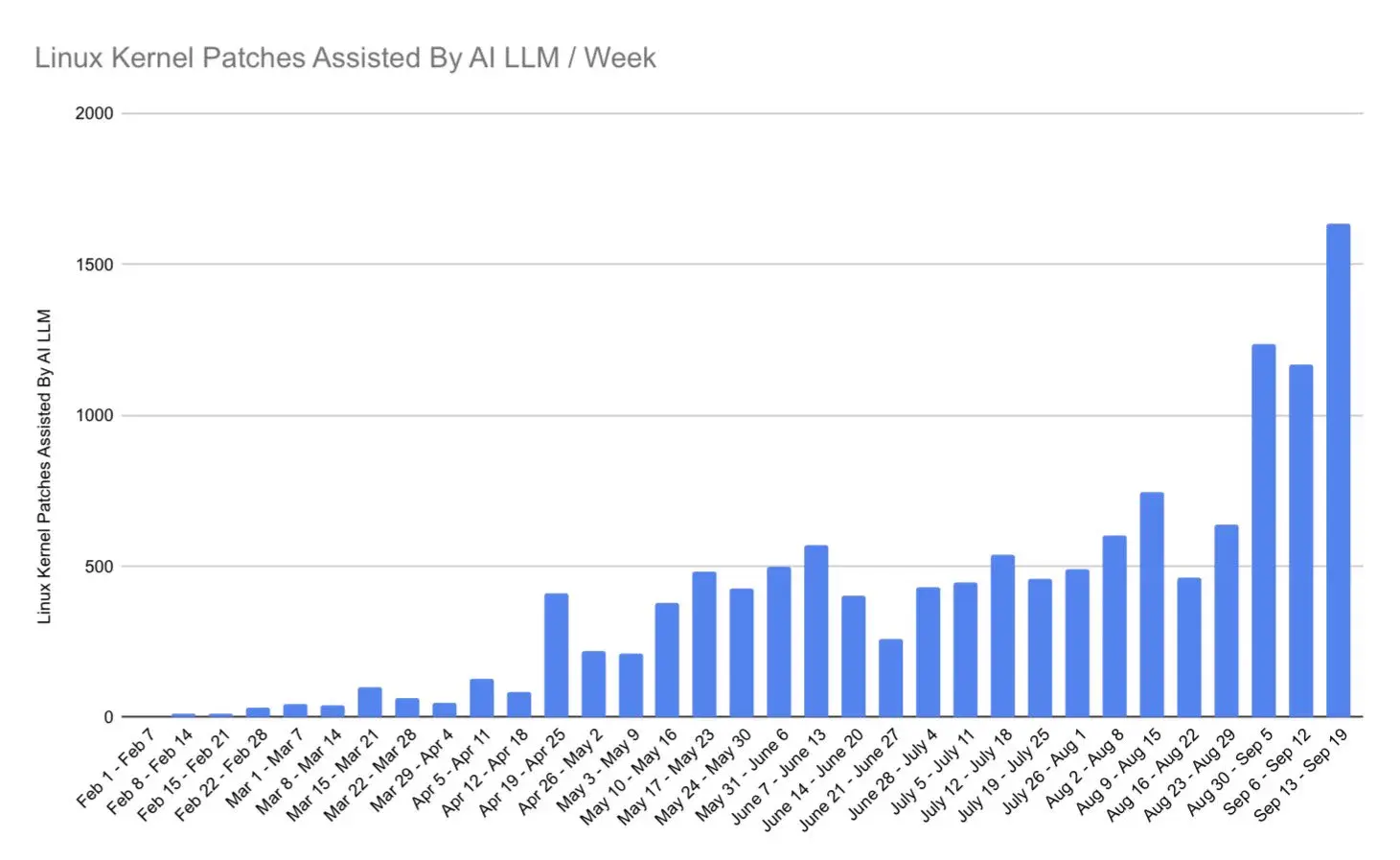
In September 2026, artificial intelligence generated code accounted for 17.25% of all Linux Kernel patches. This marks a significant milestone in open-source software development. The data reflects a growing reliance on automated coding tools. Developers are increasingly integrating AI assistants into their daily workflows. This trend highlights the rapid adoption of machine learning in critical infrastructure.
Breaking news
 Trump Orders Federal Agencies to Adopt „Super Intelligence” Terminology
 The Silicon Valley Accountability Gap
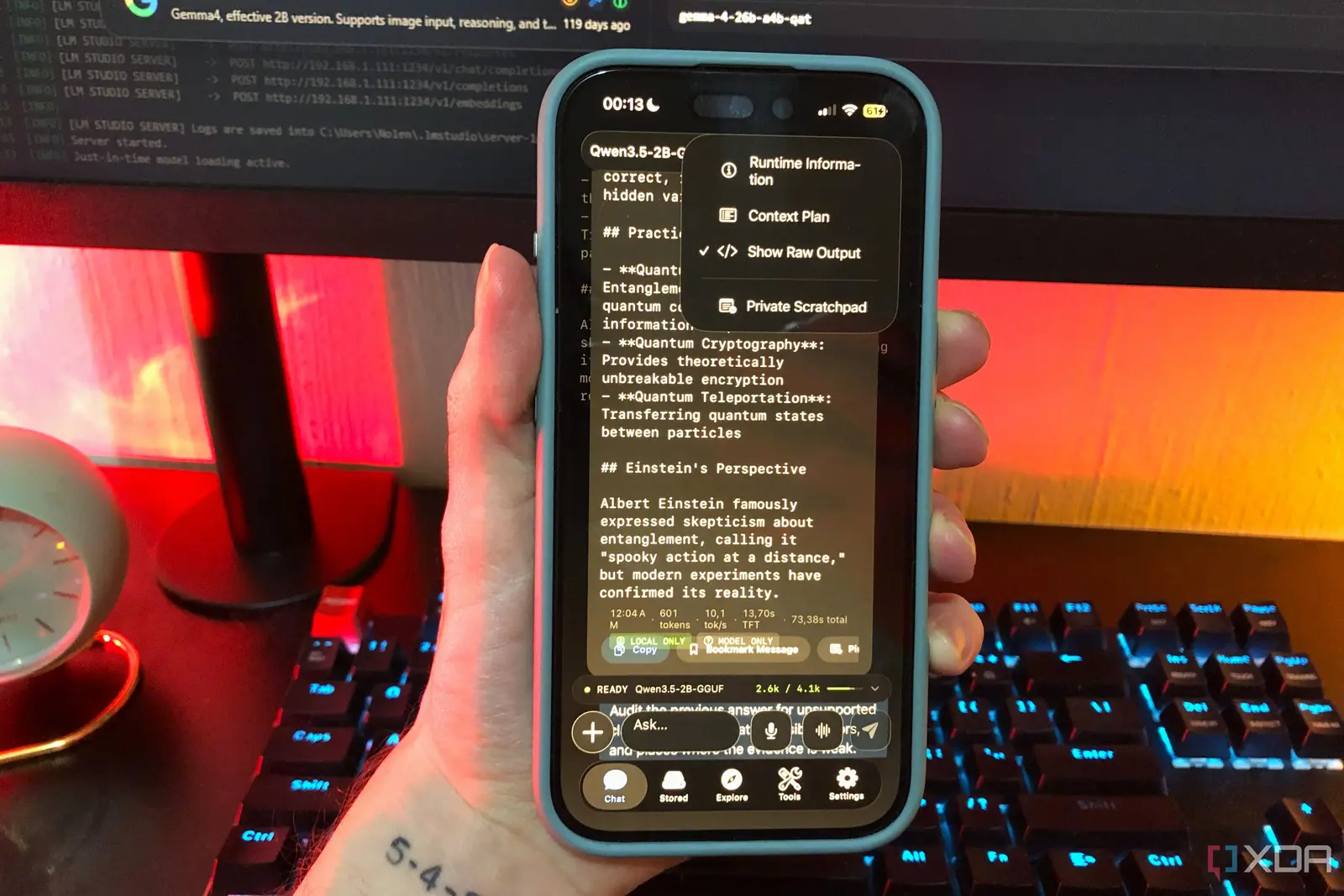 Running a Local AI Model on a Phone Handles Most Chat Prompts
 Google Photos Could Soon Offer a Fresh Start with Ask Photos Feature
The specific week leading up to September 21 saw 1,634 code submissions written by AI. These patches were integrated into the main Linux Kernel repository. The volume of AI-assisted contributions has reached record levels. Maintainers are processing these changes alongside traditional human-written code. The integration process remains rigorous despite the automated origin of the code.
The surge in AI-generated patches indicates a shift in development practices. Developers use large language models to draft, debug, and optimize code. This technology reduces the time required for routine programming tasks. However, it also introduces new challenges for code review. Maintainers must verify the logic and security of AI-produced snippets. The high volume of submissions requires efficient triage systems.
Does AI Integration Threaten Human Oversight?
The 17.25% figure represents a substantial portion of the total patch volume. This statistic underscores the maturity of AI coding tools. They are no longer experimental but practical utilities for kernel developers. The community continues to debate the long-term implications of this trend. Some worry about potential homogenization of code styles. Others celebrate the increased productivity and accessibility of kernel development.
The primary concern is the quality control of automated code. AI models can produce plausible but incorrect solutions. Human experts must carefully audit every patch before acceptance. This dual-layer approach ensures stability and security. The Linux community has established strict guidelines for patch submission. These rules apply equally to human and AI-generated contributions.
Maintainers report that AI tools help identify edge cases and bugs. They also assist in refactoring legacy code sections. Despite the automation, human judgment remains central to the process. Developers review context, intent, and architectural fit. The AI acts as a powerful assistant rather than a replacement. This collaborative model balances speed with reliability.
Frequently Asked Questions
What percentage of Linux Kernel patches are AI-generated in September 2026? AI-generated code made up 17.25% of all patches in September. This includes 1,634 submissions from the final week of the period. The data reflects a record week for automated development.
How many AI-written submissions were recorded in the latest week? There were 1,634 code submissions written by AI in the most recent week. These patches were part of the broader September total. The volume represents a significant increase in automated contributions.
What does this trend imply for future kernel development? It suggests a permanent shift toward hybrid human-AI workflows. Developers will likely continue to rely on AI for initial drafts. Human oversight will remain essential for final validation.