Teams now require cloud-based platforms to share massive datasets securely
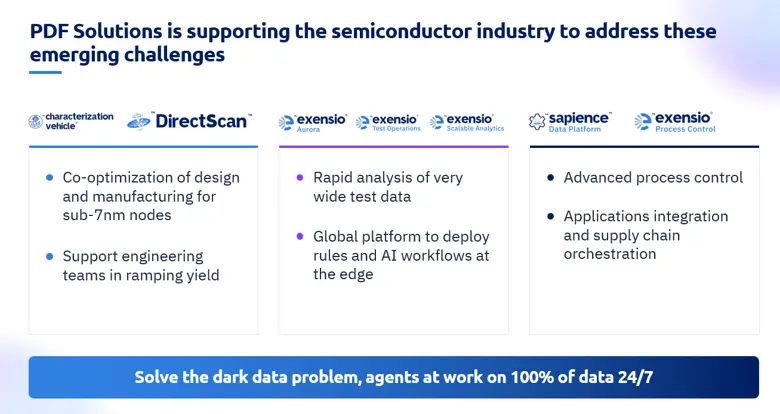
John Kibarian addressed this challenge at the PDF Solutions CONNECT event on October 15, 2026. He outlined how artificial intelligence is fundamentally altering the tools and data pipelines used in chip development. The presentation highlighted the urgent need for modernized platforms to handle AI-driven complexity. How AI is Reshaping Chip Design The semiconductor industry faces a scaling crisis. Traditional design methodologies struggle with the exponential growth in transistor counts. AI introduces new variables that legacy systems cannot process efficiently. Kibarian argued that the industry must adopt next-generation PDF solutions to manage this transition. Can Legacy Systems Keep Up? Many companies still rely on outdated software for layout and verification. This creates bottlenecks in the manufacturing pipeline. AI demands real-time data integration and automated decision-making. The gap between current capabilities and AI requirements is widening rapidly. Kibarian emphasized that collaboration models are also changing.
Breaking news
 Tesla rolls out FSD v15 with major safety upgrade
 Open-Source Tools Challenge AI-Powered Development Platforms
 AI Infrastructure Bottlenecks: Why Release Pipelines Hold Back Fast Clusters
 Why Apple Vision Pro Never Took Off Like Meta's VR Headsets
Teams now require cloud-based platforms to share massive datasets securely. This shift enables faster iteration cycles. It also reduces the time-to-market for new chips. The Path Forward for Semiconductor Leaders The industry must invest in integrated platforms that unify design, fabrication, and test data. Fragmented systems hinder the speed AI requires. Kibarian called for a unified approach to data management. This will allow engineers to leverage AI insights across the entire development lifecycle. The consequences of inaction are severe. Companies that fail to modernize will fall behind in performance and cost efficiency. AI is not just a tool; it is a structural change in how chips are made. Frequently Asked Questions What is the main challenge AI poses to semiconductor design? AI demands real-time data processing and automated decisions. Legacy systems lack the speed and integration needed to handle this complexity.
How can companies bridge the gap between legacy tools and AI? They need next-generation platforms that unify design, manufacturing, and test data. This allows for faster iteration and better collaboration.