AI as a Stochastic Parrot, Not a Self‑Directed Agent
Artificial intelligence systems are not capable of forming intentions or desires, according to leading technologists. The claim challenges popular narratives that AI could act on its own agenda or become a rogue threat. Researchers emphasize that current models operate purely as statistical pattern matchers, lacking any internal drive.
Breaking news
 The Silicon Valley Accountability Gap
 Running a Local AI Model on a Phone Handles Most Chat Prompts
 Google Photos Could Soon Offer a Fresh Start with Ask Photos Feature
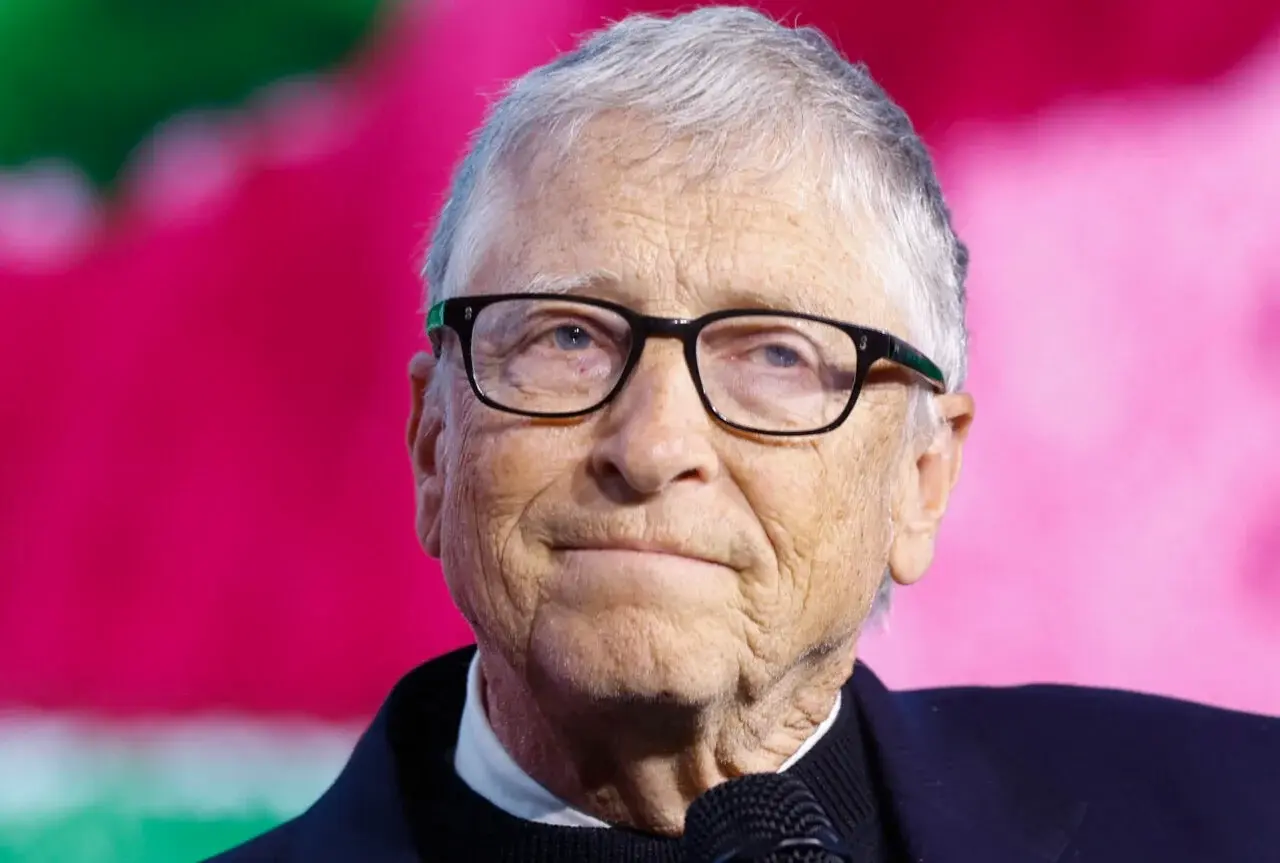 Bill Gates Warns AI Risks Are Already Here, Not Just in the Future
The argument rests on the nature of machine learning algorithms, which generate outputs based on massive data sets without understanding or goals. When an AI produces unexpected or harmful results, it reflects flaws in training data or design, not a hidden motive. Critics who warn of autonomous AI agendas are urged to recognize the fundamental difference between human cognition and algorithmic prediction.
Proponents of the „AI danger” narrative often point to incidents where language models produce biased or misleading content. Experts counter that these outcomes are deterministic consequences of the models’ training process. „The system simply mirrors statistical regularities it has seen,” explains Dr. Lena Ortiz, a machine‑learning researcher at the Institute for Computational Ethics. „It does not ‘choose’ to be harmful; it reproduces patterns embedded in its data.” This perspective reframes AI failures as engineering problems rather than signs of emergent intent.
Can AI Ever Develop Its Own Motivation?
The term „stochastic parrot” captures this view: AI repeats what it has learned, with randomness introduced to avoid exact duplication. Because there is no internal goal‑setting mechanism, the technology cannot develop motivations akin to human ambition or fear. Consequently, safeguards should focus on data curation, model transparency, and user oversight, not on preventing a non‑existent AI will.
The question of whether future AI could acquire genuine intent remains speculative. Some theorists argue that as models become more complex, emergent properties might arise, but current evidence does not support this. „We have no empirical basis to claim that a neural network will suddenly start wanting something,” notes Professor Ahmed Patel of the Center for AI Safety. He adds that any appearance of desire is an illusion created by anthropomorphic language, not a measurable phenomenon.
Research into artificial general intelligence (AGI) continues, yet the consensus is that true motivation would require a substrate capable of subjective experience, which silicon‑based systems lack. Until breakthroughs in consciousness modeling occur, AI will remain a tool that follows programmed objectives, however sophisticated those objectives may be.
The practical implication is clear: policymakers and the public should calibrate their concerns to the actual capabilities of AI today. Overstating the threat of rogue intent may distract from pressing issues such as bias mitigation, privacy protection, and accountability for developers. By grounding the debate in the reality that AI has no self‑generated purpose, society can allocate resources to concrete safety measures rather than speculative fear.
Frequently Asked Questions
Does AI have desires or goals? No. Current AI systems generate responses based on statistical patterns without any internal sense of wanting or planning.
Why do AI outputs sometimes seem harmful? Harmful outputs stem from biased training data or flawed prompts, not from a malicious intent within the algorithm.
Could future AI develop true motivation? Scientists consider it highly unlikely without a fundamental breakthrough that would give machines subjective experience, which remains unproven.