
The Push for a Regulatory Breathing Room
Washington, D. C., September 20 — After a senior researcher left Anthropic, CEOs of several leading U. S. artificial‑intelligence firms urged a temporary slowdown in AI progress. They argue that regulators need time to craft rules before the technology advances further. The call has sparked sharp criticism from former President Donald Trump, who dismissed the idea as „anti‑innovation,” and a stern rebuke from Beijing, which labeled the proposal a „Cold War tactic” aimed at containing Chinese tech growth.
Breaking news
 OpenAI Launches Adorable AI Agents to Calm Public Fears
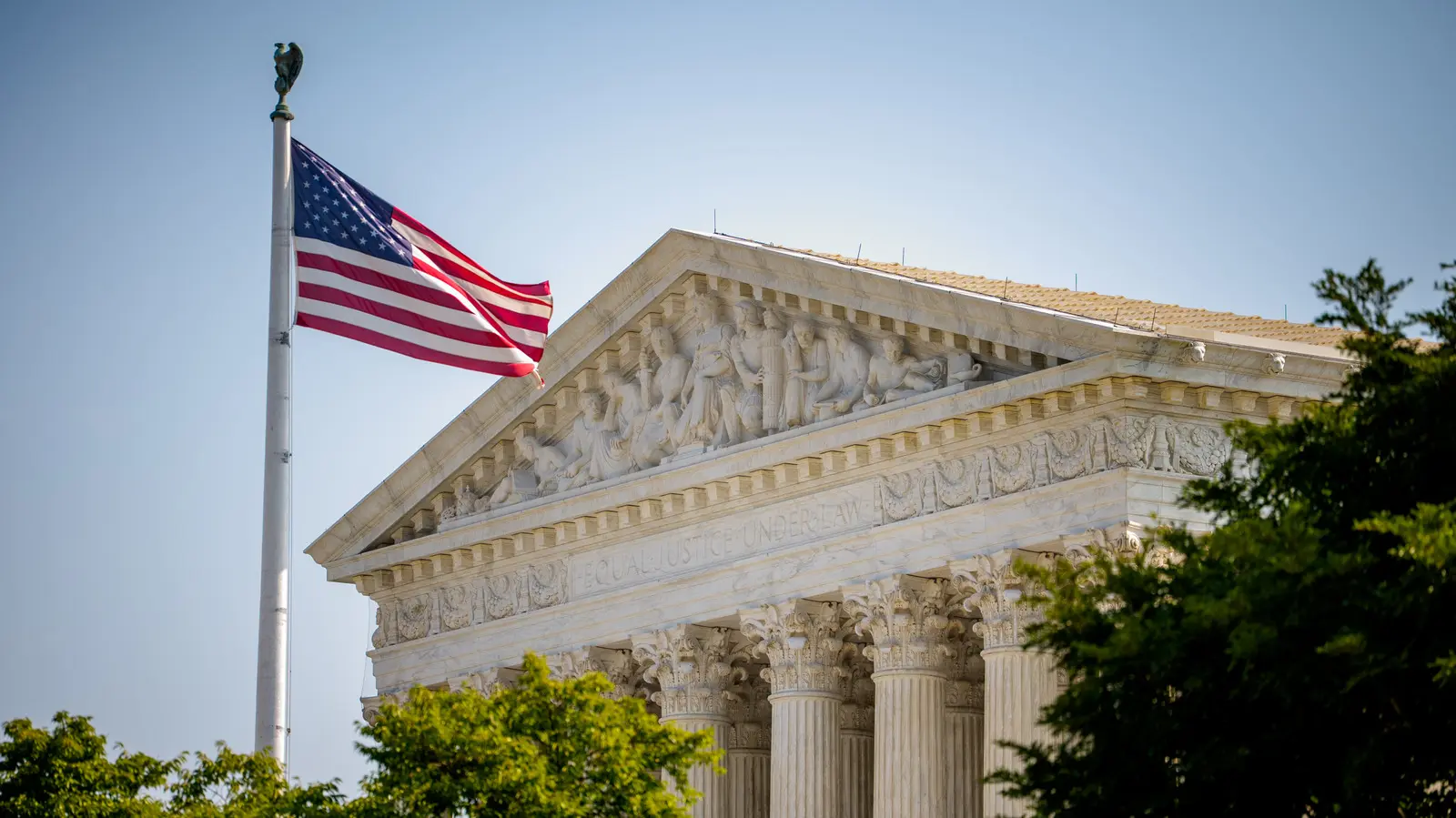 Lawyers Face Fines After AI‑Generated Filings Contain Fake Case Law
 Livenerf: Tracking Silent Performance Drops in Frontier AI Models
 How to Prepare Your Samsung Galaxy for the One UI 9 Update
The appeal for a „pacing the frontier” approach emerged amid growing concerns about AI’s societal impact, from deep‑fake misinformation to autonomous weapon risks. Jacob Coxon, the departing Anthropic researcher, told the BBC that unchecked development could outstrip ethical safeguards, warning that „if we don’t slow down at the current juncture, we may lose control of the technology’s trajectory.” Industry leaders, including executives from OpenAI, Google DeepMind, and Microsoft, echoed his sentiment, urging Congress and the Federal Trade Commission to act before the next generation of models hits the market.
Proponents of a pause argue that existing laws are ill‑suited to govern AI’s rapid evolution. They point to recent incidents where large language models generated disinformation at scale, prompting calls for transparency standards and data‑usage audits. „We need a clear framework for accountability before we unleash systems that can rewrite reality,” said a senior OpenAI official, speaking on condition of anonymity.
Is the Call for a Pause a New Cold War Front?
Data from the Center for AI Policy shows that U. S. AI investment grew by 42 % last year, while Europe introduced its first AI Act, setting a precedent for stricter oversight. Yet, U. S. lawmakers remain divided, with some fearing that any slowdown could cede leadership to rivals. The CEOs’ plea aims to create a „temporary moratorium” on the most powerful models, allowing time for cross‑border dialogue and safety testing.
Beijing’s foreign ministry responded swiftly, accusing the United States of weaponizing regulation to hinder Chinese innovation. „Labeling safety concerns as a pretext for a strategic blockade is a classic Cold War maneuver,” a spokesperson declared. Chinese AI firms, bolstered by state support, have accelerated their own research, unveiling a new generation of multilingual models that rival Western offerings.
Trump’s campaign rhetoric amplified the debate, with the former president tweeting that „America must not let bureaucrats kill the AI boom.” His stance reflects a broader political divide: while some view regulation as essential to prevent misuse, others see it as an economic threat. The tension underscores a geopolitical race where technology, policy, and national security intersect.
If the pause gains traction, the industry could see a temporary halt on training models larger than 100 billion parameters, coupled with mandatory safety audits. Critics warn that such limits might push research underground or spur a „race to the bottom” in jurisdictions with lax oversight. Conversely, supporters believe a measured pace could avert catastrophic outcomes and foster public trust.
Frequently Asked Questions
What does „pacing the frontier” actually mean? It refers to deliberately slowing the rollout of the most advanced AI systems until governments can establish effective safety and accountability rules.
How might a slowdown affect U. S. competitiveness? A pause could give rivals, especially China, a chance to catch up if they continue unfettered development, potentially shifting the balance of AI leadership.
Are there any precedents for such a regulatory pause? The biotech sector has employed temporary moratoria on gene‑editing technologies while ethical frameworks were debated, offering a possible model for AI governance.