
Strengthening Digital Provenance Standards
Anthropic announced this week that it will begin embedding digital watermarks into its artificial intelligence outputs. This initiative aims to help users distinguish between human-created material and machine-generated content. The company cited evolving European Union regulatory requirements as a primary driver for this move to improve transparency in digital media.
Breaking news
 How Predictive Diagnostics Are Reshaping the Automotive Insurance Ecosystem
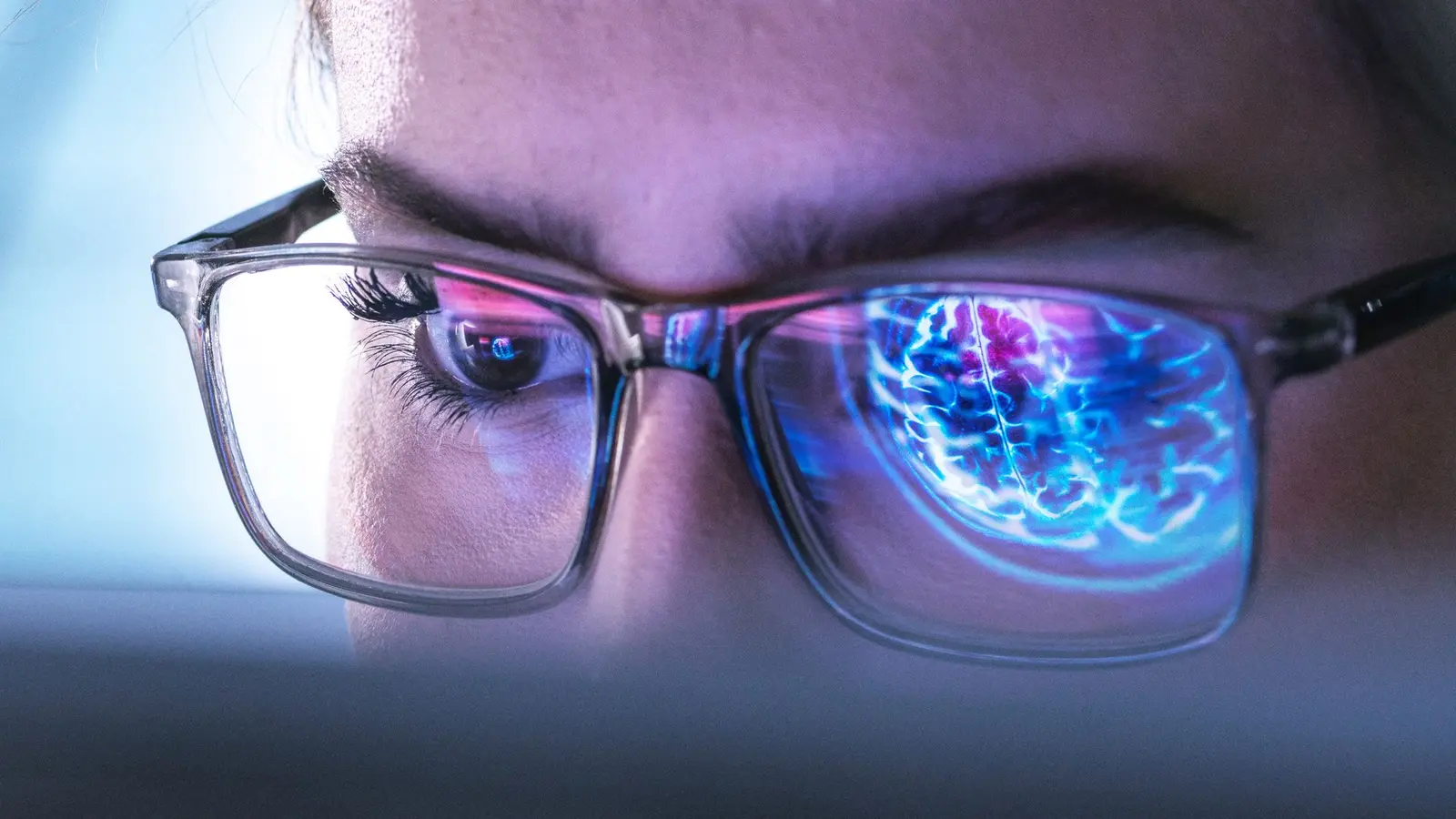 Preparing for the EU AI Act’s Strict Transparency Mandates
 Widespread Firebase SDK Failure Triggers Massive iOS App Crashes
 Former Tesla Engineers Secure Funding for Logistics Automation
The decision follows growing pressure from global regulators to address the proliferation of AI-generated misinformation. By integrating invisible identifiers into generated text and data, the firm intends to provide a reliable way to trace the origin of AI-produced material. This technical adjustment aligns with the EU's strict guidelines regarding algorithmic accountability and transparency.
The implementation focuses on embedding metadata that remains intact even if the content is copied or slightly modified. These markers act as a digital fingerprint, allowing platforms and security tools to verify if the information originated from Anthropic’s models. This approach serves as a defensive measure against the rapid spread of synthetic content online.
How Will This Change Online Verification?
Industry experts suggest that such measures are essential for maintaining public trust in digital information. As AI models become more sophisticated, the line between authentic and synthetic data continues to blur. Anthropic’s commitment represents a proactive step toward establishing industry-wide norms for content attribution and user safety.
The effectiveness of these watermarks will depend on widespread adoption by third-party platforms and software developers. While these markers are designed to be robust, they must be detectable by common digital tools to be truly effective. The company is currently working to ensure these identifiers do not compromise the quality or speed of their services.
Looking ahead, this shift could set a precedent for other AI developers operating within the European market. If successful, the strategy may eventually become a standard requirement for all generative AI providers. The ultimate goal is to provide users with clear indicators of authenticity, reducing the risks associated with deceptive AI-generated media.
Frequently Asked Questions
What is the main purpose of these new watermarks? The watermarks are designed to identify content created by AI models. This helps users and platforms distinguish between human and machine-generated information.
Why is Anthropic adopting this technology now? The company is responding to new regulatory requirements established by the European Union. These rules mandate greater transparency regarding the origins of AI-generated content.
Will these markers affect how AI models perform? Anthropic aims to integrate these identifiers without impacting the quality or speed of their responses. The markers are intended to be invisible to users while remaining detectable by verification software.