Privacy-First Design Philosophy
Apple is reportedly developing a comprehensive home security ecosystem set for launch in 2027. The tech giant aims to introduce a dedicated hardware device alongside a new subscription-based monitoring service. This initiative marks a significant expansion into the smart home sector, focusing heavily on privacy and artificial intelligence capabilities to differentiate itself from existing competitors in the market.
Breaking news
 Trump Orders Federal Agencies to Adopt „Super Intelligence” Terminology
 The Silicon Valley Accountability Gap
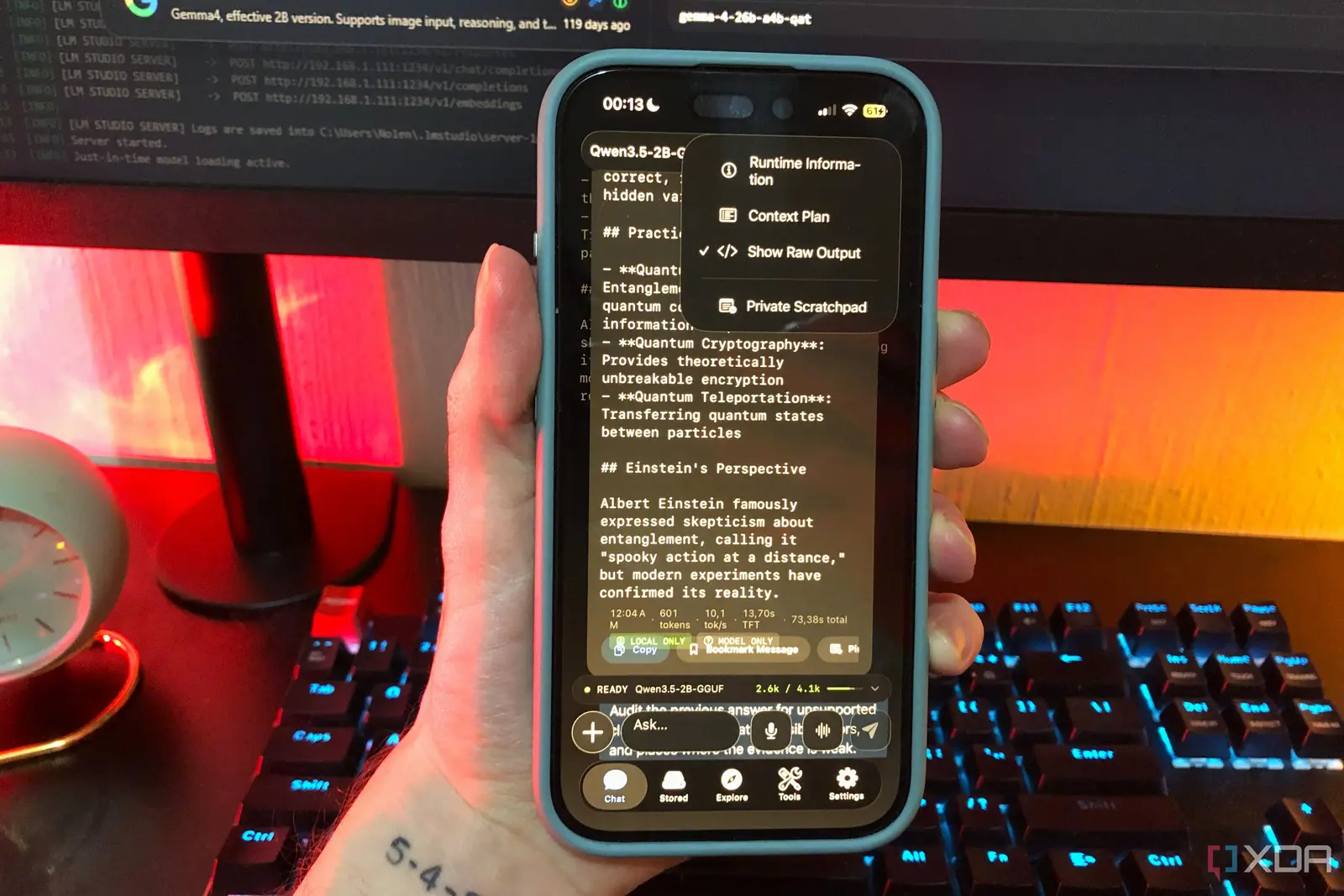 Running a Local AI Model on a Phone Handles Most Chat Prompts
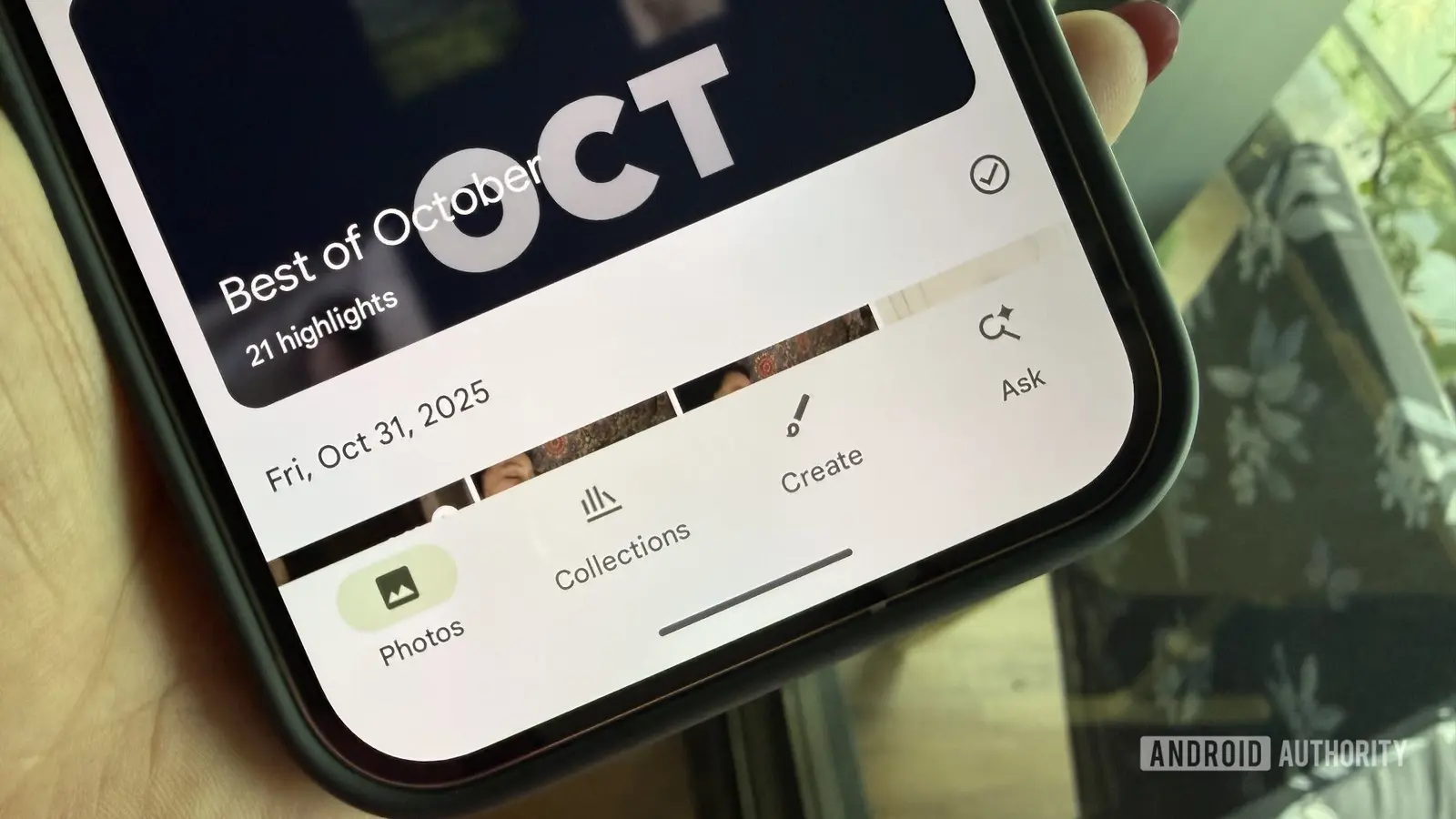 Google Photos Could Soon Offer a Fresh Start with Ask Photos Feature
The core component of this planned system is a security camera designed with privacy as its primary feature. Unlike traditional devices that store raw video clips, this new hardware will utilize advanced AI algorithms to analyze the surrounding environment. The system focuses on detecting patterns and anomalies rather than recording actual video footage. This approach allows Apple to offer real-time insights while minimizing the amount of personal data collected and stored on servers or local devices.
The development strategy centers on protecting user data through intelligent processing. By relying on AI to interpret visual information, the camera can identify specific events like motion or unusual activity without needing to save high-resolution video files. This method aligns with Apple’s long-standing commitment to on-device processing and data minimization. The accompanying service will likely handle alert notifications and historical event logs, providing users with a seamless monitoring experience. The integration of hardware and software ensures that the system functions as a cohesive unit, enhancing both security and peace of mind for homeowners.
How Will AI Replace Video Footage?
The technology behind this camera represents a shift in how home surveillance operates. Instead of simply capturing and storing video, the AI engine processes visual data to understand context. It distinguishes between relevant events, such as a person entering a restricted area, and irrelevant background noise. This reduces storage requirements and improves battery life for potential wireless models. The service component will provide users with detailed reports and instant alerts, all managed through a unified interface. Apple’s focus on this specific technical architecture suggests a desire to solve common pain points associated with current smart home security solutions, particularly regarding data privacy and ease of use.
The entry of Apple into this space is expected to disrupt the current home security landscape. Major competitors may need to accelerate their own privacy-focused features to remain competitive. For consumers, the 2027 timeline offers a clear target date for adoption. As the technology matures, we can expect further refinements in accuracy and functionality. The combination of robust hardware and an intuitive service positions Apple to capture a significant share of the growing smart home market. This move underscores the company’s broader strategy to integrate AI deeply into everyday consumer products, transforming passive devices into active, intelligent assistants that enhance daily life while safeguarding personal privacy.
Frequently Asked Questions
When is the Apple home security system expected to launch? The system is targeted for release in 2027. This timeline includes both the hardware camera and the accompanying monitoring service.
How does the camera protect user privacy? It uses AI to monitor environmental changes instead of recording video footage. This reduces the need to store large amounts of raw visual data.
Is a separate service required for the camera? Yes, the camera is designed to work with a new home security and monitoring service. This service handles alerts and data management for the user.