Standardizing Hardware Trust Across Diverse Platforms
The Caliptra Foundation is moving its open-source Root of Trust technology from initial development stages toward full production deployment. This shift bridges the gap between community-driven security standards and the rigorous requirements of enterprise-grade infrastructure. The initiative aims to provide a standardized, auditable security foundation for modern hardware systems.
Breaking news
 Trump Orders Federal Agencies to Adopt „Super Intelligence” Terminology
 The Silicon Valley Accountability Gap
 Running a Local AI Model on a Phone Handles Most Chat Prompts
 Google Photos Could Soon Offer a Fresh Start with Ask Photos Feature
The project addresses a critical need in the semiconductor industry. Many organizations struggle to implement consistent security measures across diverse hardware platforms. By leveraging an open-source model, the foundation seeks to reduce vendor lock-in and enhance transparency. This approach allows developers to verify security implementations directly. The goal is to create a universal baseline for trusted execution environments.
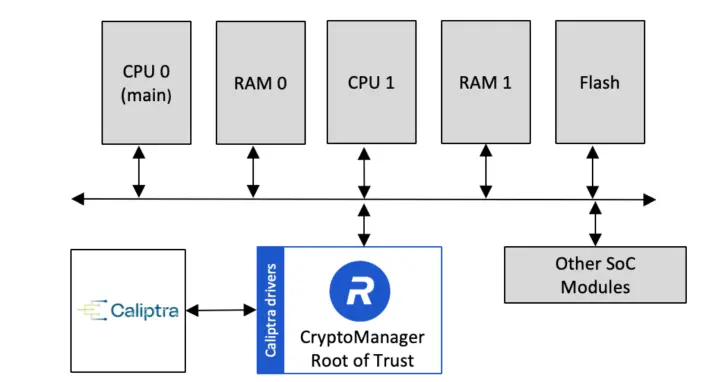
The core of the Caliptra initiative lies in its modular design. This architecture allows for flexible integration into various chip designs. It supports multiple cryptographic algorithms and key management protocols. Such flexibility is essential for meeting different industry compliance standards. The foundation provides clear documentation and reference implementations. This reduces the engineering burden on hardware manufacturers. Companies can adopt the standard without building complex security logic from scratch. The open nature of the codebase invites peer review. This process helps identify and fix vulnerabilities before mass production. Security experts can audit the code independently. This transparency builds trust among enterprise clients.
Addressing Enterprise Security Challenges
The transition to production deployment involves rigorous testing protocols. The foundation collaborates with major industry players to validate performance. Benchmarks ensure the system meets latency and throughput requirements. Reliability is a key focus for enterprise environments. Downtime due to security failures is unacceptable. Therefore, the implementation includes robust error handling mechanisms. These features ensure system stability under stress conditions. The foundation also addresses scalability concerns. As data centers grow, security overhead must remain minimal. The design optimizes resource usage to maintain high performance. It balances security strength with operational efficiency. This balance is crucial for cloud and edge computing applications.
Enterprise customers demand proven security solutions. The Caliptra Foundation provides a path to certification. It aligns with existing international security standards. This alignment simplifies the compliance process for vendors. Organizations can integrate the technology into their supply chains. It helps mitigate risks associated with proprietary black-box security modules. The open-source model fosters a collaborative ecosystem. Developers share insights and improvements publicly. This accelerates the overall maturation of the technology. The foundation also offers support resources for adopters. Training materials and technical guides are available. These resources help teams implement the standard correctly. Misconfiguration is a common source of security breaches. Clear guidelines reduce this risk significantly. The community aspect ensures long-term sustainability. It prevents the project from stagnating or becoming obsolete.
Frequently Asked Questions
The outlook for this technology remains positive. Adoption is expected to grow in the coming years. More hardware vendors are likely to include support. This will create a broader ecosystem of compatible devices. The shift toward open standards benefits the entire industry. It promotes competition and innovation in security features. Enterprises gain more control over their security posture. They are no longer dependent on single vendors. This independence strengthens negotiating power and flexibility. The foundation continues to evolve the specification. New features will address emerging threats. The focus remains on practical, deployable solutions. The bridge between open source and enterprise needs is solidifying. This development marks a significant milestone in hardware security.
How does Caliptra differ from proprietary security modules? Caliptra uses an open-source model that allows for full code auditability. Proprietary modules often operate as black boxes with limited transparency. This open approach enables independent verification of security logic.
What industries are most likely to adopt this standard first? Data center operators and automotive manufacturers are primary targets. These sectors require high reliability and strict compliance standards. They benefit most from standardized, auditable security foundations.