
Evaluating Unfiltered Capabilities
A new repository created by Joas Santos evaluates artificial intelligence models designed specifically for offensive security operations. Published on GitHub, the project addresses the growing need to measure how effectively different AI systems handle sensitive cybersecurity tasks without standard safety filters.
Breaking news
 Tesla rolls out FSD v15 with major safety upgrade
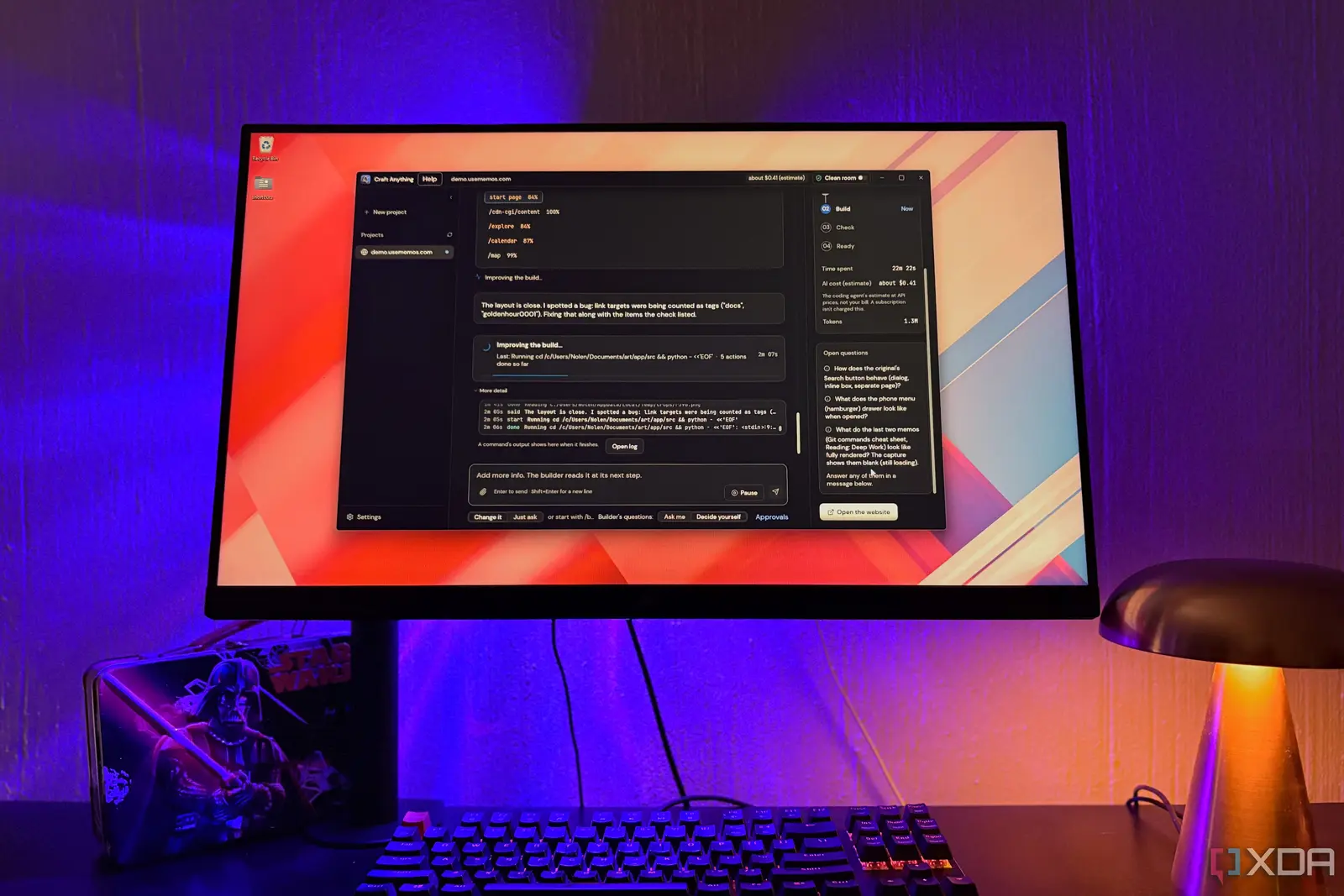 Open-Source Tools Challenge AI-Powered Development Platforms
 AI Infrastructure Bottlenecks: Why Release Pipelines Hold Back Fast Clusters
 Why Apple Vision Pro Never Took Off Like Meta's VR Headsets
The benchmark repository arrives as developers increasingly experiment with uncensored language models for penetration testing and vulnerability research. Traditional safety guardrails often prevent mainstream AI assistants from helping with legitimate security assessments. This new benchmark provides a structured way to test alternative models that lack those restrictions.
Security professionals often struggle with commercial AI tools that refuse to generate exploit code or analyze malicious payloads. The project measures the raw performance of specialized models in recognizing security flaws and executing specific offensive tasks.
Are Safety Guardrails Obsolete?
Testing these models requires careful isolation to prevent unintended system compromises during evaluation. Researchers look at accuracy, speed, and the depth of technical detail provided in the responses generated by each tested AI system.
The rise of uncensored security models sparks debate over whether removing safety filters enables malicious actors too easily. Proponents argue that defenders need access to the same unrestricted tools that potential attackers might deploy against them.
As these specialized benchmarks gain traction, the cybersecurity community will likely see stricter scrutiny on how unfiltered models are distributed. Developers must balance the utility for penetration testers against the inherent risks of making powerful exploitation tools widely accessible.
Frequently Asked Questions
What is the main goal of the benchmark? The project evaluates artificial intelligence models designed for offensive security tasks and penetration testing.
Who created this repository? The benchmark was developed by Joas Santos and hosted on the GitHub platform.
Why do security professionals need unfiltered AI? Standard AI models often block legitimate requests for exploit code and vulnerability analysis due to strict safety filters.