Designing Trackers for Every Body
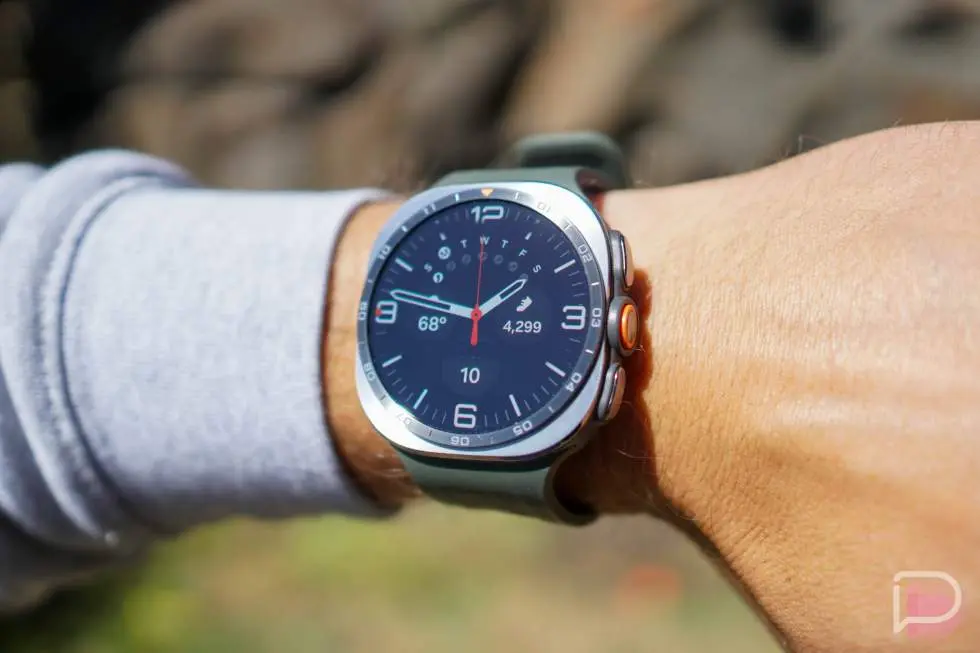
Google holds the technical prowess and resources required to pioneer truly inclusive wearable health technology, yet a significant accessibility gap remains within its Fitbit ecosystem. While the tech giant frequently champions software inclusivity across its broader Android platform, fitness hardware historically lags behind in accommodating users with diverse physical needs.
Breaking news
 Tesla rolls out FSD v15 with major safety upgrade
 Open-Source Tools Challenge AI-Powered Development Platforms
 AI Infrastructure Bottlenecks: Why Release Pipelines Hold Back Fast Clusters
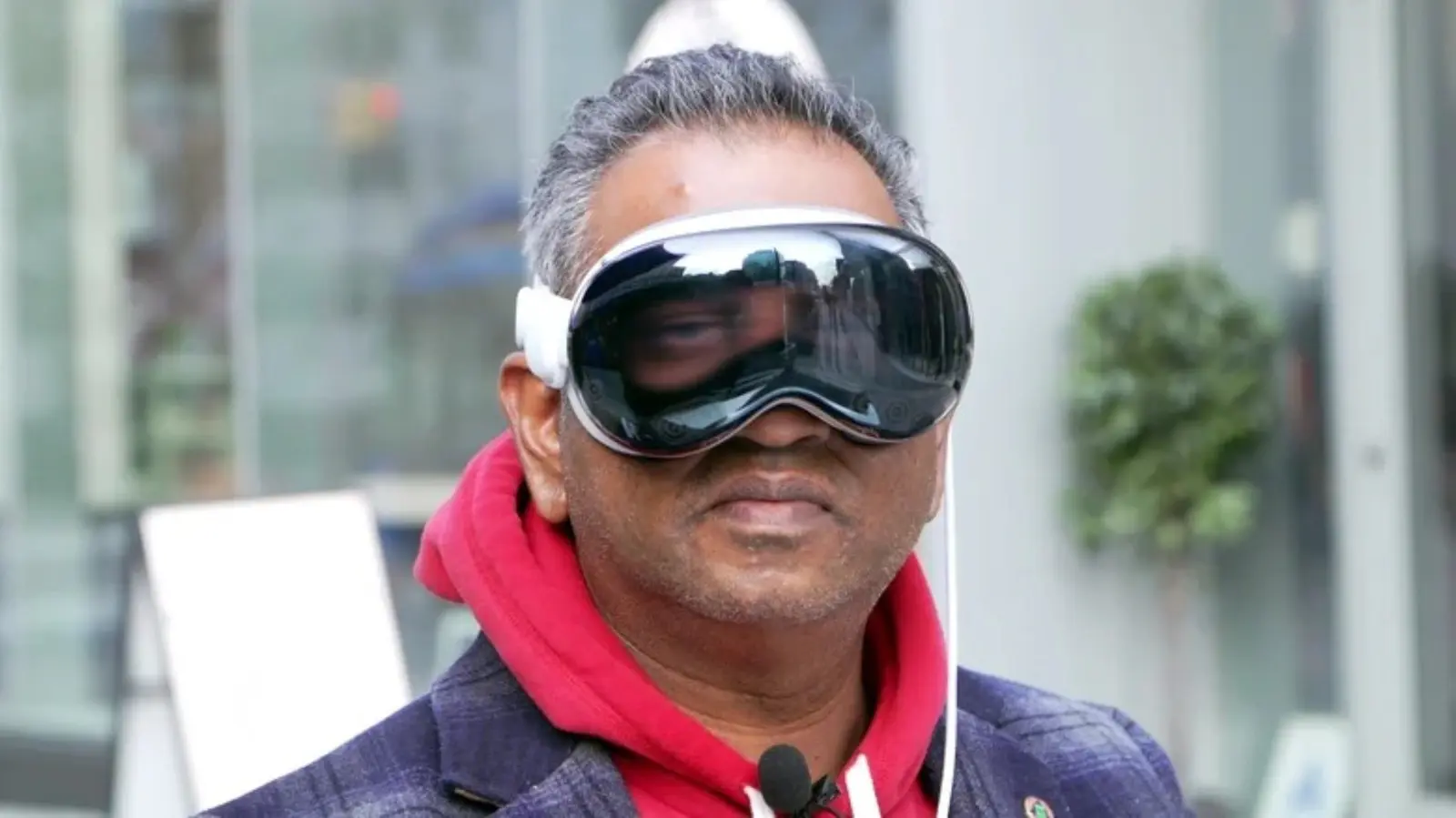 Why Apple Vision Pro Never Took Off Like Meta's VR Headsets
Modern digital accessibility often highlights real-time captions, artificial intelligence vision tools, and high-contrast display refinements. Translating these triumphs into wrist-worn hardware demands a specialized approach to tactile feedback, screen readers, and motor-impairment solutions. Industry observers note that despite strong intentions, physical fitness trackers still present navigation hurdles for individuals with visual or mobility impairments.
Wearable devices track vital health metrics like heart rate, sleep quality, and daily step counts. When these essential tools lack robust accessibility features, a large demographic of users is effectively excluded from personal wellness tracking. Google faces mounting pressure to apply its advanced Android accessibility frameworks directly to the Fitbit product lineup.
Can Google Deliver Truly Inclusive Hardware?
Software engineering teams must prioritize inclusive design from the initial hardware blueprint phase. Simple interface adjustments can transform a standard fitness band into an empowering medical companion for disabled athletes and patients. Addressing this oversight requires genuine collaboration with disability advocates during product development.
The upcoming generation of fitness wearables will test Google's dedication to universal design principles. Consumers and advocacy groups eagerly await concrete announcements regarding hardware-level accessibility upgrades for upcoming Fitbit releases.
Frequently Asked Questions
Resolving this gap will solidify Google's reputation as a genuine leader in inclusive technology development. Failure to act risks alienating a passionate consumer base that relies heavily on accurate health telemetry.
What major accessibility improvements has Google previously implemented? Google has successfully introduced real-time captions, AI-powered vision tools, and refined high-contrast display options across the Android operating system.
Why do fitness wearables currently lack adequate accessibility features? Historically, engineering teams prioritized compact hardware designs over inclusive physical interfaces, creating navigation hurdles for users with visual or motor impairments.