How Close Is the Local Version to the Original
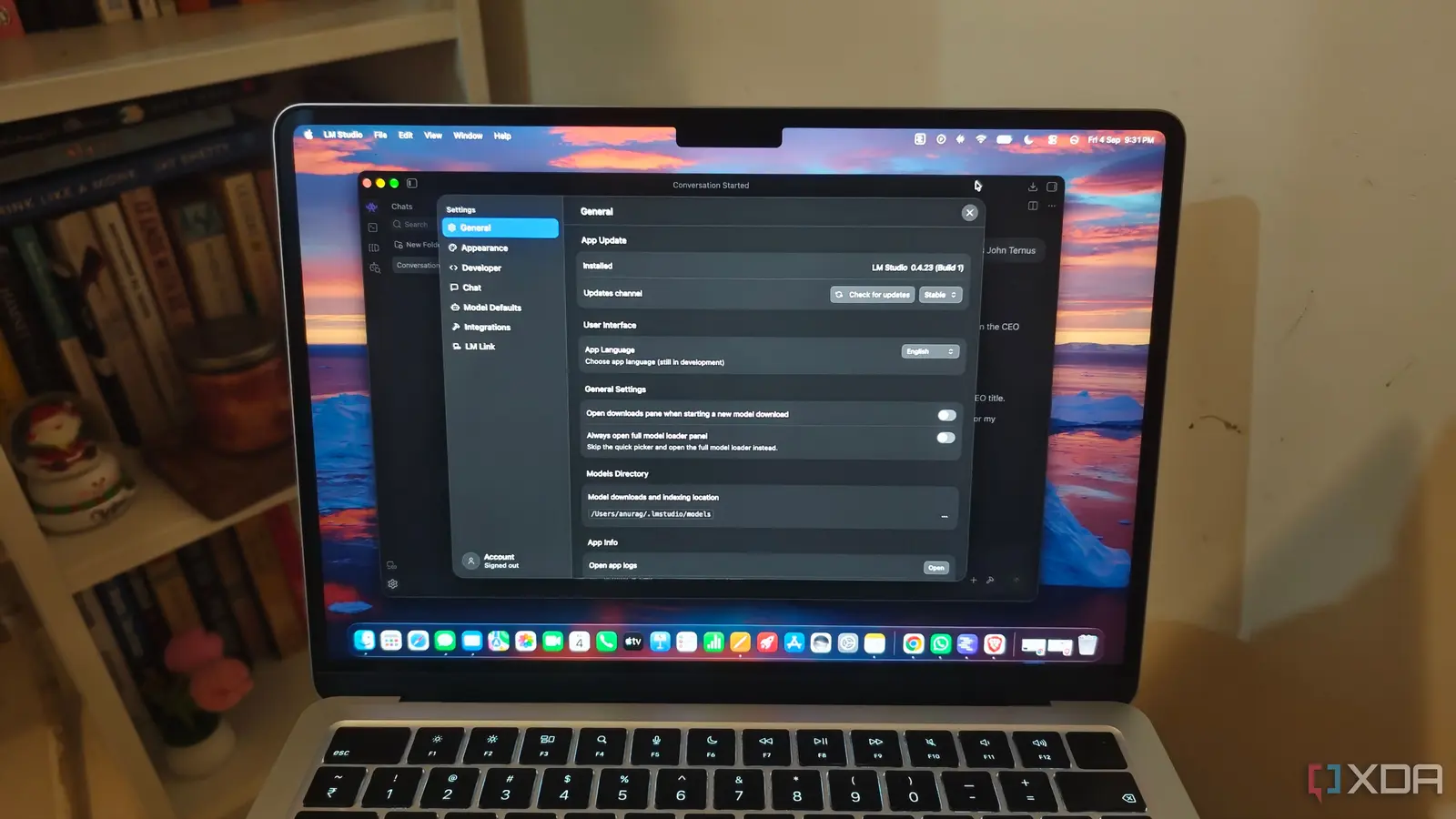
Anurag Singh created a functional replica of Claude Code using LM Studio and the Hermes language model, publishing his experiment on September 9, 2026. The project aimed to test whether open-source tools could approximate the capabilities of Anthropic’s proprietary coding assistant. By running Hermes locally through LM Studio, Singh replicated core workflow elements such as code generation, debugging suggestions, and contextual understanding within a desktop environment.
Breaking news
 Trump Orders Federal Agencies to Adopt „Super Intelligence” Terminology
 The Silicon Valley Accountability Gap
 Running a Local AI Model on a Phone Handles Most Chat Prompts
 Google Photos Could Soon Offer a Fresh Start with Ask Photos Feature
The setup involved installing LM Studio, downloading the Hermes 3 model, and configuring it to interpret prompts similar to those used in Claude Code. Singh focused on replicating the assistant’s ability to understand multi-file projects, suggest edits, and explain logic without relying on cloud-based APIs. He noted that while response times were slower due to local processing, the quality of outputs remained impressively comparable for routine coding tasks. The experiment highlighted the growing accessibility of advanced AI models outside commercial platforms.
Singh reported that Hermes, when properly prompted, generated code snippets with accuracy matching Claude Code in about 80% of test cases involving Python and JavaScript. He emphasized that success depended heavily on prompt engineering, using structured inputs to guide the model toward desired outputs. Unlike the cloud version, the local setup required manual tuning of parameters like temperature and context length to avoid hallucinations. Despite these adjustments, the ability to run the entire workflow offline without subscription fees was a significant advantage for privacy-conscious developers.
Can Local Models Replace Proprietary Coding Assistants
While the local version lacks real-time collaboration features and seamless IDE integration found in Claude Code, Singh argued it serves as a viable alternative for individual developers or small teams. He pointed out that models like Hermes are improving rapidly, with newer versions showing better The experiment underscores a broader trend: powerful AI coding tools are no longer confined to corporate servers. As hardware improves and models become more efficient, local alternatives may gain traction among users seeking control, cost savings, and data sovereignty. Frequently Asked Questions What model did Anurag Singh use to build his local Claude Code replica? He used the Hermes 3 language model running inside LM Studio to simulate Claude Code’s functionality on a local machine.
How accurate was the local version compared to the original Claude Code? In testing, the local version produced correct code outputs in approximately 80% of cases, particularly for straightforward programming tasks in Python and JavaScript.
Is it possible to use this setup for professional software development? Singh suggests it works well for individual use or learning, but lacks some polish and integrations needed for large-scale professional workflows without further refinement.