CTOs, he argued, must now act as stewards of responsible AI integration
Alexey Tulia, executive leader at Coinspaid Dev, addressed the shifting responsibilities of engineers and technology leaders at the Tech Race Summit 2026. Speaking to an audience of developers and tech executives, he emphasized that artificial intelligence is no longer confined to experimental environments but is now actively deployed in production systems. This transition demands a fundamental rethinking of how engineering teams operate, collaborate, and ensure reliability in real-world applications. The core of Tulia’s message centered on the growing expectation that engineers must not only build AI models but also oversee their performance, safety, and ethical implications once live. He noted that traditional boundaries between development, operations, and oversight are blurring, requiring engineers to adopt a more holistic mindset.
Breaking news
 SpaceXAI's Grokipedia Continues to Refresh Articles Daily
 AI Agent Dots Debuts, Sparks Satirical Buzz from Elon Musk
 Apple AirPods 5: A Closer Look at Battery Replacement and Durable Design
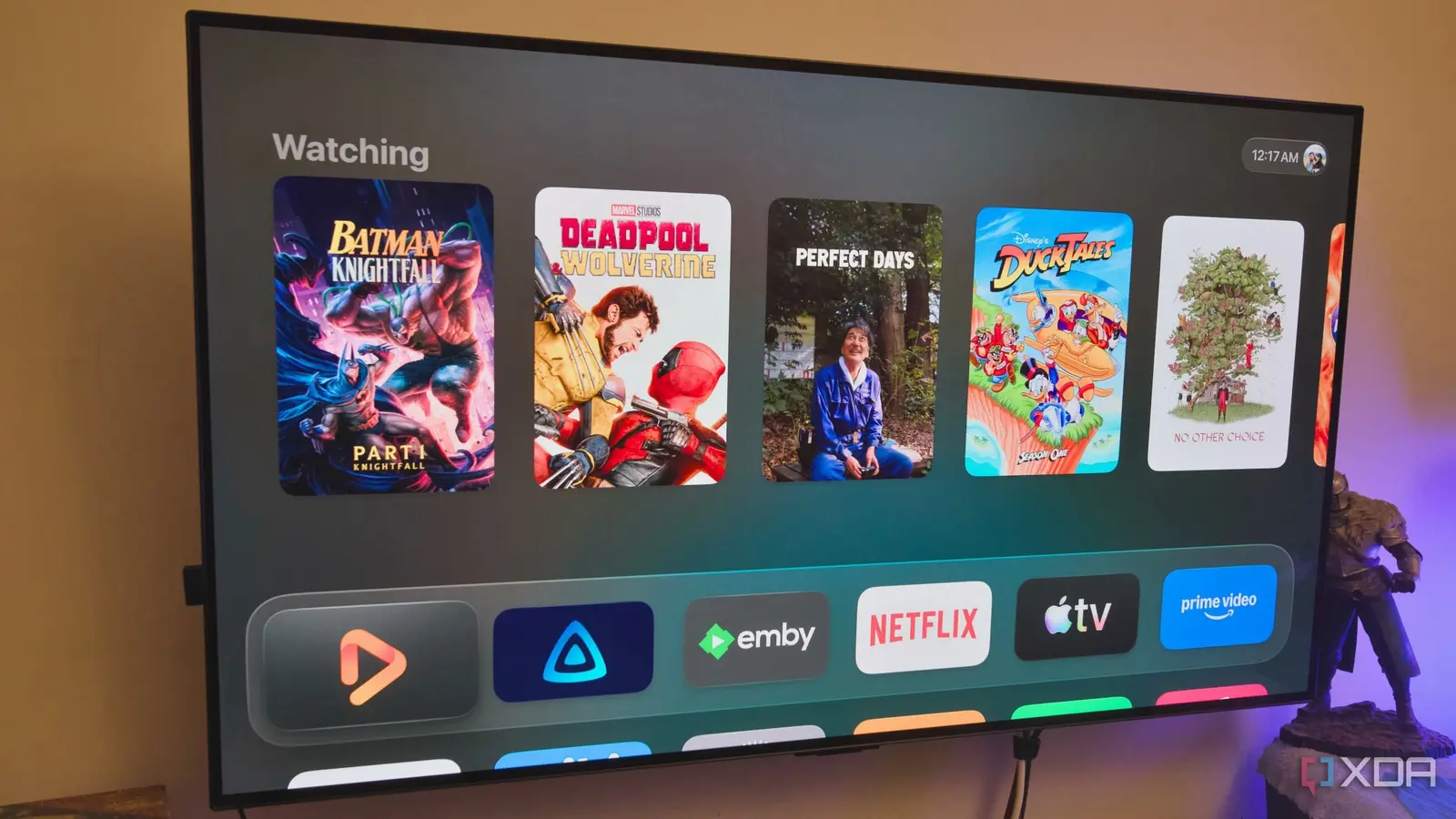 Enhancing Your Jellyfin Experience with Third-Party Apps
CTOs, he argued, must now act as stewards of responsible AI integration, balancing innovation with rigorous monitoring and accountability in high-stakes environments. How Are Teams Adapting to AI in Production? Tulia explained that successful adaptation involves embedding continuous validation, real-time feedback loops, and cross-functional oversight into the engineering workflow. Teams are increasingly adopting practices like automated drift detection, human-in-the-loop reviews, and rigorous A/B testing to maintain model integrity post-deployment. He stressed that these measures are not optional add-ons but essential components of modern software delivery when AI is involved. What Skills Will Define the Next Generation of Engineering Leaders? According to Tulia, future engineering leaders will need deep technical fluency in AI systems combined with strong judgment around risk, transparency, and compliance. He highlighted the importance of understanding data lineage, model bias, and regulatory expectations as core competencies.
Rather than relying solely on specialized AI teams
Rather than relying solely on specialized AI teams, he advocated for broadening AI literacy across all engineering roles to ensure shared ownership of outcomes. The long-term impact, Tulia suggested, will be a more resilient and ethically grounded technology culture. As AI becomes embedded in critical infrastructure and financial systems, the ability of engineering leaders to guide responsible deployment will determine not just technical success but public trust. Organizations that invest early in this evolution, he concluded, will be better positioned to harness AI’s benefits while minimizing unintended consequences. Frequently Asked Questions How is the role of the CTO changing with AI in production? The CTO is shifting from a primarily technical overseer to a guardian of responsible AI use, ensuring models are safe, fair, and compliant once deployed. What practices help maintain AI reliability after launch?
Teams use continuous monitoring, automated drift detection, and human-in-the-loop reviews to catch performance issues or biases early. Do all engineers need to understand AI now? Yes, Tulia argued that broad AI literacy across engineering teams is essential for shared accountability and effective collaboration in AI-driven projects.