
Why Is Google Releasing This Model in Phases?
Google unveiled Gemini 4 Argon on Wednesday as its latest flagship artificial intelligence model, marking the culmination of an extended development period. The announcement positions the model as a direct competitor to leading systems from OpenAI and Anthropic, with Google claiming strong performance across multiple evaluation benchmarks. While the company highlights significant advancements, it also acknowledges areas where the model still faces challenges relative to its rivals.
Breaking news
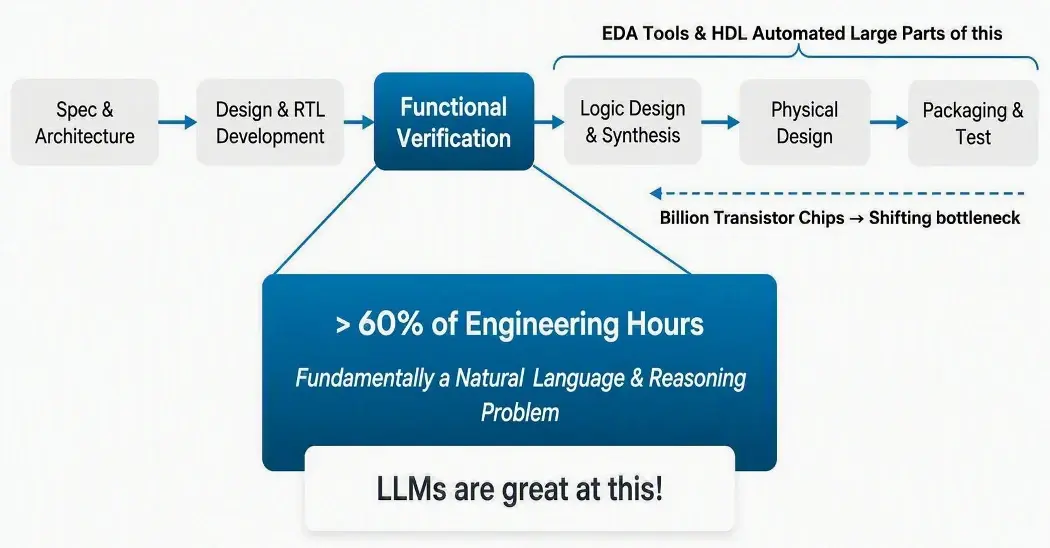 How Artificial Intelligence Is Transforming Microchip Engineering
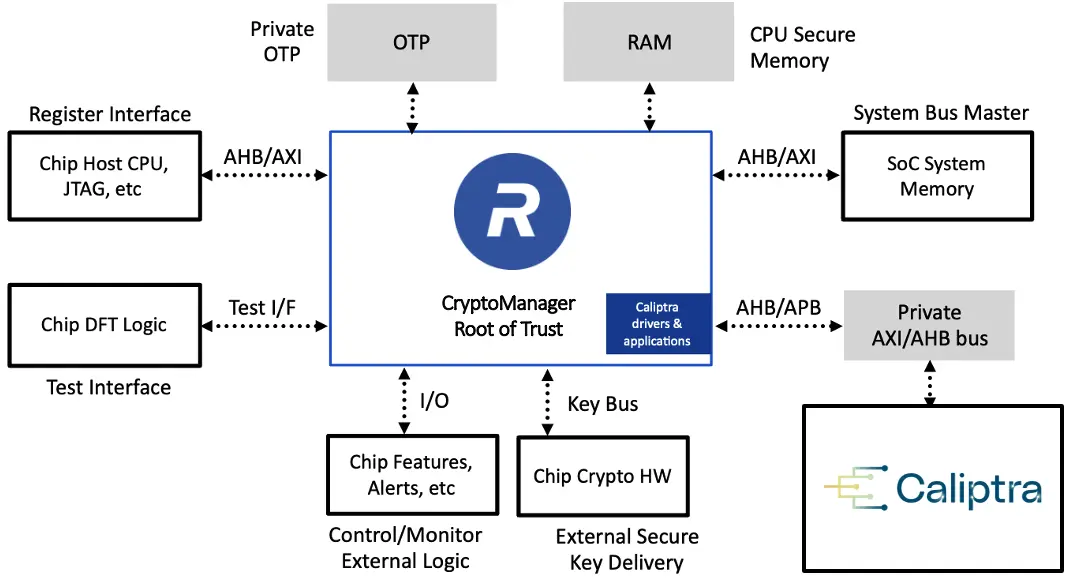 Securing Data Centers Through Hardware-Based Trust Architectures
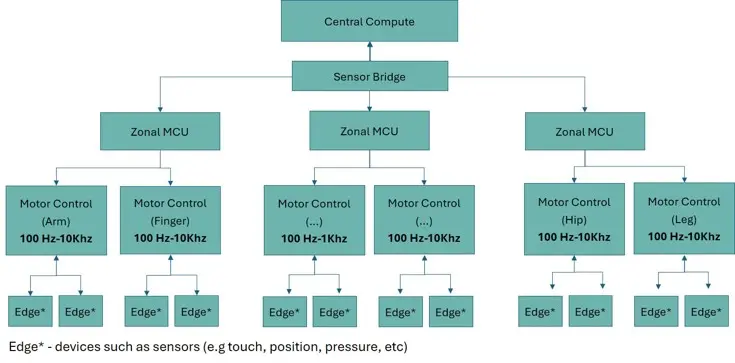 Humanoid Robots Demand Advanced Memory Systems
 The Evolution of Artificial Intelligence in Modern Car Architecture
Performance Gaps Reveal Both Strengths and Weaknesses According to Google's internal assessments, Gemini 4 Argon outperforms top models from OpenAI and Anthropic on the majority of tested benchmarks, occasionally by substantial margins. However, in certain areas, the model falls short, with deficits reaching up to 10 points compared to competitors. Google attributes these variations to the model's ongoing refinement and emphasizes that no single AI system currently dominates all evaluation categories uniformly. The company frames these results as part of a broader trajectory rather than a final verdict on capability.
What Does This Mean for the Future of AI Competition?
Google has opted for a staggered rollout of Gemini 4 Argon, making it available initially to select developers and enterprise partners before broader public access. This approach allows the company to gather real-world usage data, identify edge cases, and implement safety mitigations at scale. By controlling the release pace, Google aims to balance innovation with responsibility, particularly given the model's increased capabilities and potential societal impacts. The phased strategy also enables iterative improvements based on feedback from early adopters.
The introduction of Gemini 4 Argon intensifies the ongoing race among major tech firms to develop increasingly capable AI systems. As performance benchmarks become central to marketing and technical credibility, companies like Google are investing heavily in narrowing gaps with rivals while pushing toward new frontiers in Industry analysts suggest that such leaps may accelerate timelines for AI integration into complex workflows, though concerns about accessibility, bias, and computational costs remain unresolved.
Frequently Asked Questions
How does Gemini 4 Argon compare to previous Gemini versions? Gemini 4 Argon represents a significant upgrade over earlier iterations, with improved Is Gemini 4 Argon available to the general public now? No, Google is currently releasing the model through a phased approach, limiting initial access to specific developers and enterprise customers before a wider rollout.
What benchmarks show Gemini 4 Argon trailing competitors? Google noted that in certain evaluation categories, Gemini 4 Argon scores up to 10 points below leading models from OpenAI and Anthropic, though it did not specify which exact tests revealed these gaps.