Thermal Limits Shape Space Operations
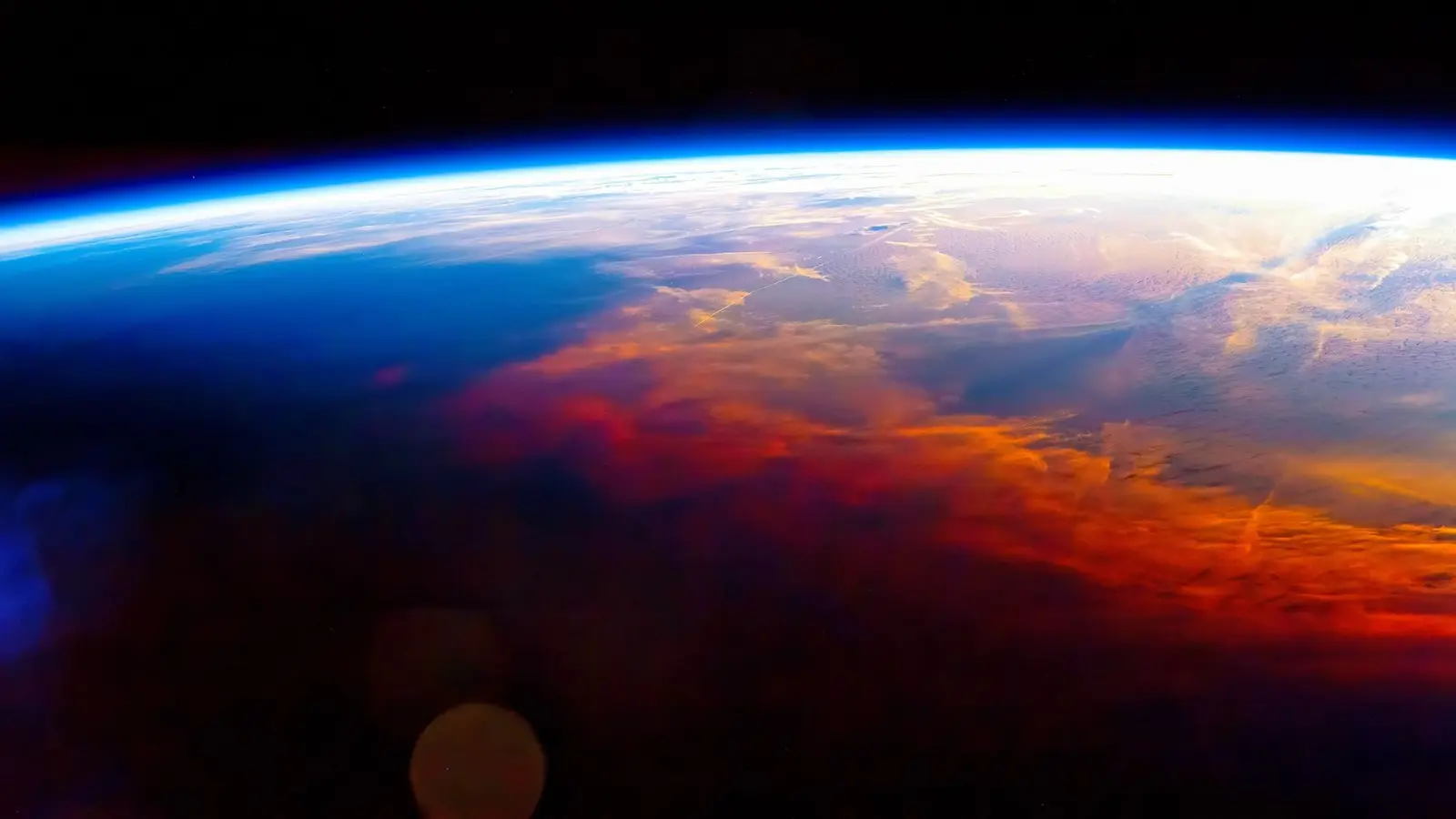
Google is scheduled to launch an experimental satellite into low Earth orbit on October 1, carrying a miniature data center powered by four tensor processing units and one thousand watts of solar energy.
Breaking news
 Trump Orders Federal Agencies to Adopt „Super Intelligence” Terminology
 The Silicon Valley Accountability Gap
 Running a Local AI Model on a Phone Handles Most Chat Prompts
 Google Photos Could Soon Offer a Fresh Start with Ask Photos Feature
The tech giant wants to test artificial intelligence processing outside the confines of terrestrial infrastructure. Traditional server farms face immense energy and cooling challenges on the ground. Space offers an alternative environment, though engineers must still contend with the harsh realities of thermal management in a vacuum.
Engineers discovered that severe overheating restricts continuous processing runs to a maximum of just fifteen minutes. Without traditional air or liquid cooling systems, heat dissipation remains a primary engineering hurdle for computers operating in zero gravity.
Can Orbital Computing Replace Earth Servers?
Despite these operational interruptions, the specialized orbital server is expected to remain functional and handle assigned tasks for a full year. Solar panels will capture renewable energy to keep the systems running between processing cycles.
While the current hardware payload is relatively small, success could pave the way for larger computing constellations above our atmosphere. Ground-based facilities will remain the backbone of the internet for the foreseeable future. However, utilizing solar power in orbit might eventually offer a viable supplement for specific high-altitude workloads.
Frequently Asked Questions
What hardware is Google sending into orbit? The experimental satellite carries four specialized tensor processing units designed to handle artificial intelligence workloads in space.
How long will the space server operate? The orbital unit is engineered to remain functional and perform assigned tasks for a period of one year.
What is the main challenge for computers in space? Severe overheating limits continuous processing runs to just fifteen minutes because heat cannot easily dissipate in a vacuum.