How Benchmark Performance Differs from Practical Use
Google has begun distributing its latest AI model, Gemini 4 Argon, to a limited group of cybersecurity partners as of September 30, 2026. The rollout follows internal testing and comes amid claims that the model outperforms GPT-6 Astra on specific coding and knowledge benchmarks. According to sources familiar with the matter, some Google employees report strong performance in controlled evaluations but note difficulties when applying the model to real-world coding scenarios. The information was shared through Bloomberg and highlighted in the Techmeme newsletter.
Breaking news
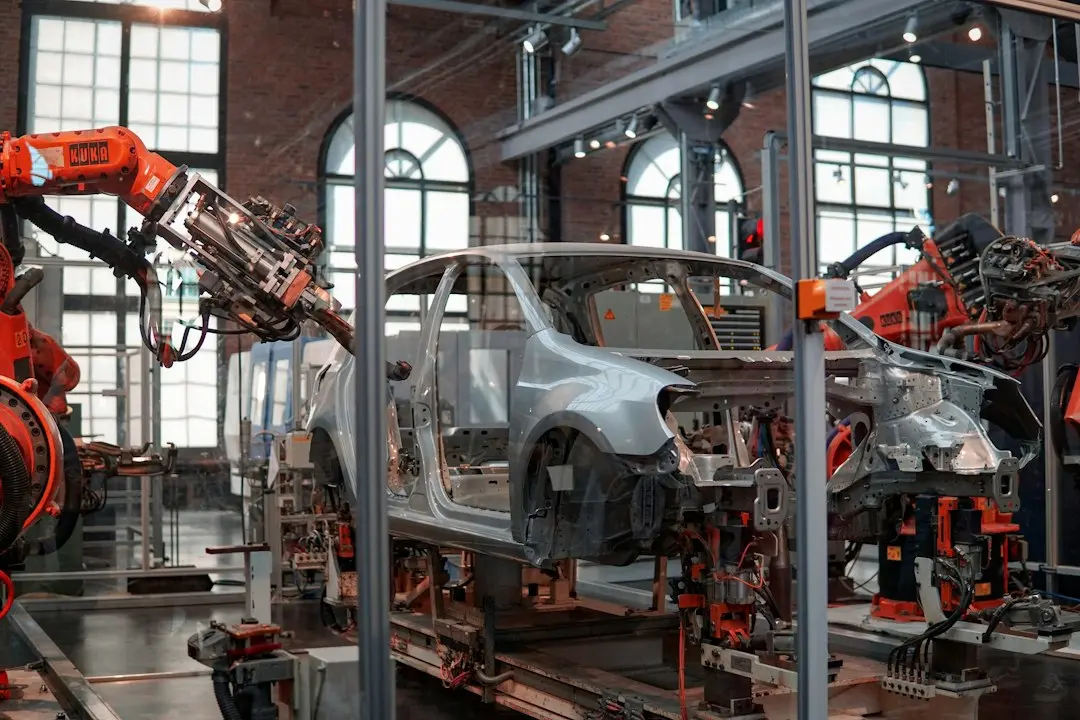 The Evolution of Artificial Intelligence in Modern Car Architecture
 Anthropic’s Revenue Primarily Driven by Agentic AI, SemiAnalysis Finds
 Google Researchers Warn of AI Risks to Children as Schools Adopt New Tools
 Bridging the Gap in Edge AI Hardware Design
Internal feedback suggests that while Gemini 4 Argon excels in standardized tests measuring logical Employees cited instances where the model produced syntactically correct code that did not meet functional requirements or overlooked edge cases common in live software environments. One engineer noted that benchmark success does not always translate to practical utility, especially in security-sensitive contexts where precision is critical. Google has not publicly addressed these internal assessments.
What Does This Mean for AI Model Evaluation?
The gap between benchmark results and real-world application raises questions about how AI models are evaluated for deployment. Benchmarks often rely on predefined datasets and clear objectives, whereas real-world coding involves incomplete specifications, legacy systems, and changing requirements. Gemini 4 Argon’s strength in structured tasks may not fully equip it for the unpredictability of production-level development. This discrepancy could affect how Google positions the model for enterprise customers seeking reliable AI-assisted coding tools.
Should AI progress be measured primarily by benchmark scores, or should real-world usability carry more weight? The feedback from Google employees suggests that overreliance on synthetic tests might mask limitations in adaptability and contextual understanding. If models like Gemini 4 Argon continue to show this split, developers and companies may need to supplement benchmark data with practical trials before integrating AI into critical workflows. The tension between measurable performance and functional reliability is likely to shape future AI development strategies.
What is Gemini 4 Argon? Gemini 4 Argon is Google’s latest version of its Gemini series of AI models, released in late September 2026 and initially shared with a small group of cybersecurity partners for testing and feedback.
Frequently Asked Questions
Why do some employees say it struggles with real-world coding? Despite strong benchmark scores, employees report that Gemini 4 Argon sometimes generates code that passes syntax checks but fails in practical use due to missing context, unhandled edge cases, or misaligned logic with intended outcomes.
How does it compare to GPT-6 Astra? According to Google, Gemini 4 Argon outperforms GPT-6 Astra on certain coding and knowledge work benchmarks, though real-world performance comparisons have not been formally disclosed.