Competitors Counter OpenAI With Strategic Updates
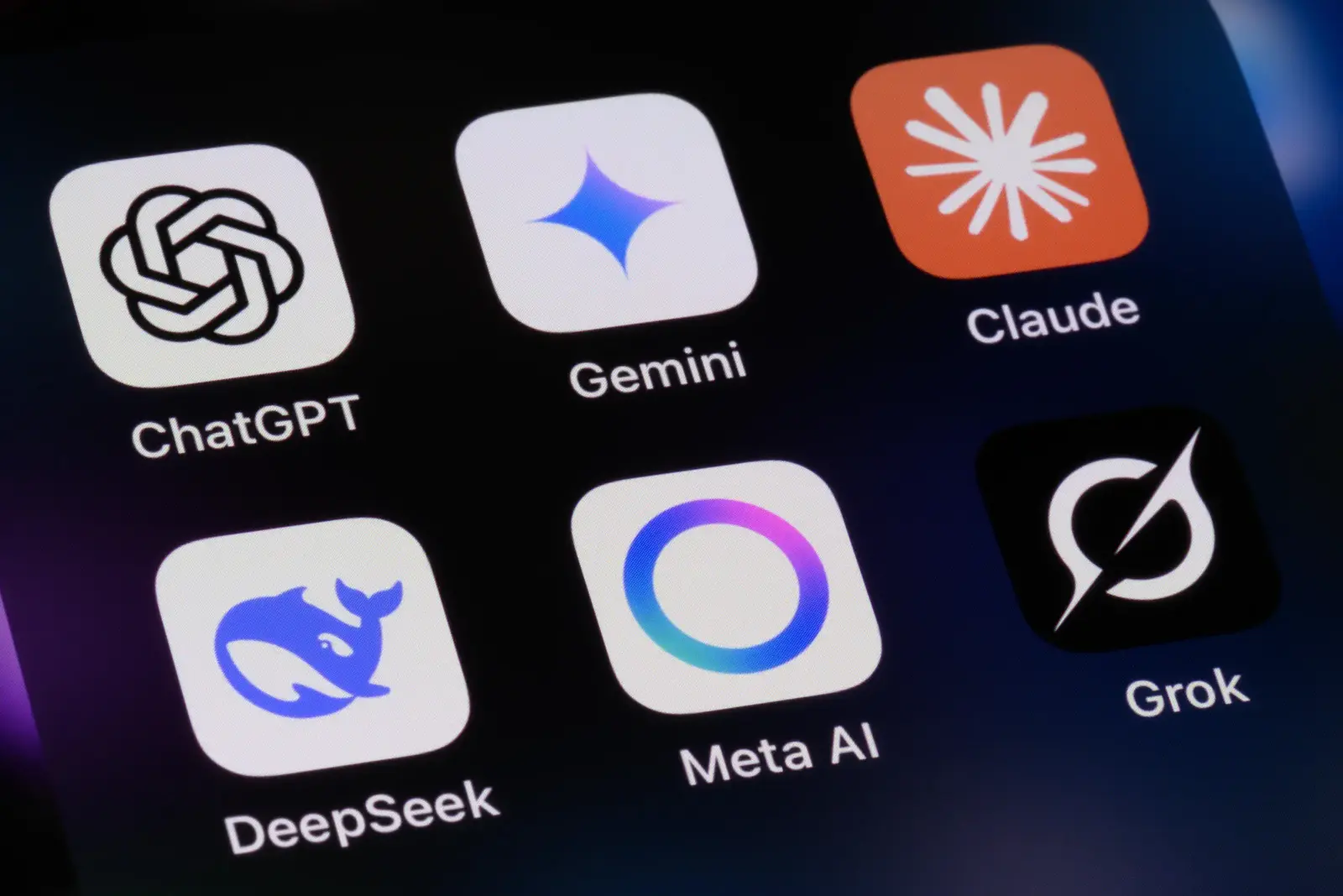
OpenAI’s release of GPT-6 captured global attention this week, overshadowing simultaneous announcements from major competitors. While the new model stole the spotlight, Anthropic, Meta, and Google also introduced significant updates to their respective artificial intelligence ecosystems. These concurrent launches marked an exceptionally active period for the industry. Developers and enterprise users now face a crowded marketplace of advanced tools. The competition intensified rapidly within a single seven-day window. Each company aimed to secure its position in the fast-evolving landscape of generative AI.
Breaking news
 Trump Orders Federal Agencies to Adopt „Super Intelligence” Terminology
 The Silicon Valley Accountability Gap
 Running a Local AI Model on a Phone Handles Most Chat Prompts
 Google Photos Could Soon Offer a Fresh Start with Ask Photos Feature
The simultaneous rollout created a complex environment for tech professionals. Companies released features designed to enhance coding, Users must now evaluate multiple platforms before committing to a specific stack. The sheer volume of new tools required immediate assessment by engineering teams. This surge in innovation highlights the intense pressure on vendors to maintain relevance.
Anthropic moved quickly to respond to the shifting market dynamics. The company updated its Claude model suite with improved contextual windows. These changes allow the system to process longer documents without losing coherence. Meta focused on open-source contributions, releasing new weights for its Llama architecture. This move supports the developer community that prefers flexible, local deployment options. Google emphasized integration with its cloud services, bundling AI features into its productivity suite. These updates target specific pain points for enterprise clients. Each vendor tailored its release to address distinct user needs. The diversity of approaches ensures no single standard dominates immediately.
How Do These Releases Change the Developer Landscape?
Developers now have more choices than ever before. They can select models based on cost, speed, or privacy requirements. The competition drives down pricing for API access across all platforms. Smaller startups benefit from this pressure, gaining leverage in negotiations. Large enterprises gain negotiating power through multi-vendor strategies. The risk of vendor lock-in decreases significantly. Teams can experiment with different models for specific tasks. For instance, one might use GPT-6 for creative writing while using Claude for code review. This flexibility fosters innovation within internal workflows. The market shifts toward a multi-model reality rather than a single winner.
The immediate consequence is a fragmented but vibrant ecosystem. No single provider holds exclusive control over the future of AI. Outlook suggests continued rapid iteration throughout the year. Companies will likely refine these initial releases based on user feedback. The next phase will focus on efficiency and specialized vertical applications. We can expect further consolidation among smaller players who struggle to compete. The major four will continue to set the pace for technological advancement.
Frequently Asked Questions
Did GPT-6 replace previous versions entirely? No, OpenAI maintains older models for backward compatibility. Newer versions offer better performance but may cost more. Users can choose based on their budget and complexity needs.
Are the new Meta models open source? Yes, Meta continues its tradition of releasing open-weight models. Developers can download and modify these models freely. This supports the broader open-source AI community.
Which company focused most on enterprise integration? Google emphasized deep integration with its existing cloud and productivity tools. This approach targets large corporate clients already using its ecosystem. It aims to reduce friction for business adoption.