Can AI Replace Traditional App Development?
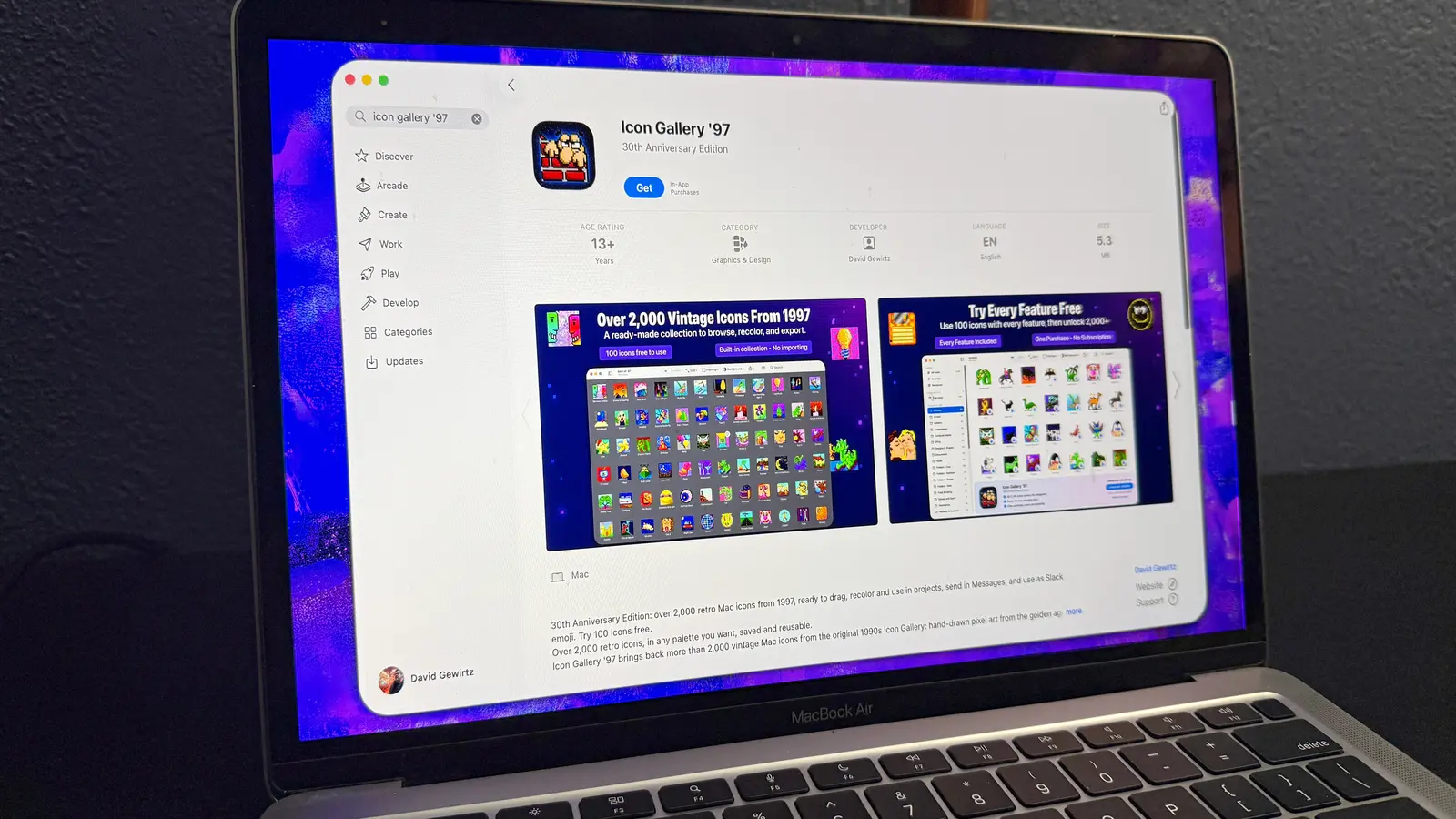
A computer science professor turned tech journalist created a functional Mac application in just over a week using only AI assistance, submitting it to Apple’s App Store for approval and eventual sale. David Gewirtz, a senior contributing editor with a background in academia, used Claude to generate the entire app through natural language prompts, bypassing traditional coding entirely. The project began as an experiment in AI-assisted development and concluded with a purchasable product available to Mac users.
Breaking news
 Canonical’s Web Presence Hit by Second DDoS Assault This Year
 Loops AI Secures $3.5 Million to Power a New AI Operating System for E‑Commerce
 Winverse AI Secures Tens of Millions in Seed Funding from DeepSeek and Long‑Z
 Google Adds Pixel 9 Series to Certified Refurbished Store
The process, which Gewirtz described as „vibe-coding,” involved iteratively refining the app’s features through conversational interactions with Claude. He outlined the app’s purpose, interface elements, and functionality in plain English, and the AI responded with executable code snippets that he integrated into a development environment. Despite having no prior experience building macOS applications from scratch, he was able to implement core features such as data input, local storage, and a clean user interface. Apple’s review process, often a hurdle for independent developers, was completed in under two weeks, allowing the app to go live quickly.
What Does This Mean for Independent Creators?
Gewirtz emphasized that while Claude handled the bulk of the coding logic, he still needed to understand software structure, debug errors, and guide the AI toward desired outcomes. He noted that the AI occasionally produced redundant or inefficient code, requiring manual oversight to ensure performance and stability. The app’s design evolved through multiple iterations, with Gewirtz adjusting prompts based on test results and usability feedback. He also had to manage assets like icons and metadata manually, highlighting that AI currently supports rather than replaces full development workflows. Still, he argued that the barrier to entry for creating simple, useful tools has dropped significantly.
The success of this experiment suggests that individuals without formal programming training can now bring software ideas to market faster than ever before. Gewirtz sees potential for educators, designers, and hobbyists to solve niche problems using AI-assisted tools, particularly for utilities or productivity apps that don’t require complex backend systems. However, he cautioned that Apple’s guidelines and technical standards still demand a baseline of quality and compliance, which AI alone may not guarantee. Looking ahead, he believes hybrid approaches—where humans direct AI to handle repetitive coding tasks—will become more common in indie app development.
Did you write any code at all during the 11-day period? No, I did not write a single line of traditional code. All functionality was generated through prompts to Claude, which I then tested and integrated into the app build.
Frequently Asked Questions
Was the app approved by Apple on the first submission? Yes, the app passed Apple’s review process in less than two weeks without any rejections or required revisions, which Gewirtz noted was unexpectedly smooth given his lack of prior macOS development experience.
What type of app did you create, and is it available for purchase? The app is a productivity tool designed for personal data tracking, available as a paid download on the Mac App Store, though Gewirtz did not disclose its specific name or price in the account.

