The Hidden Costs of Running AI Locally
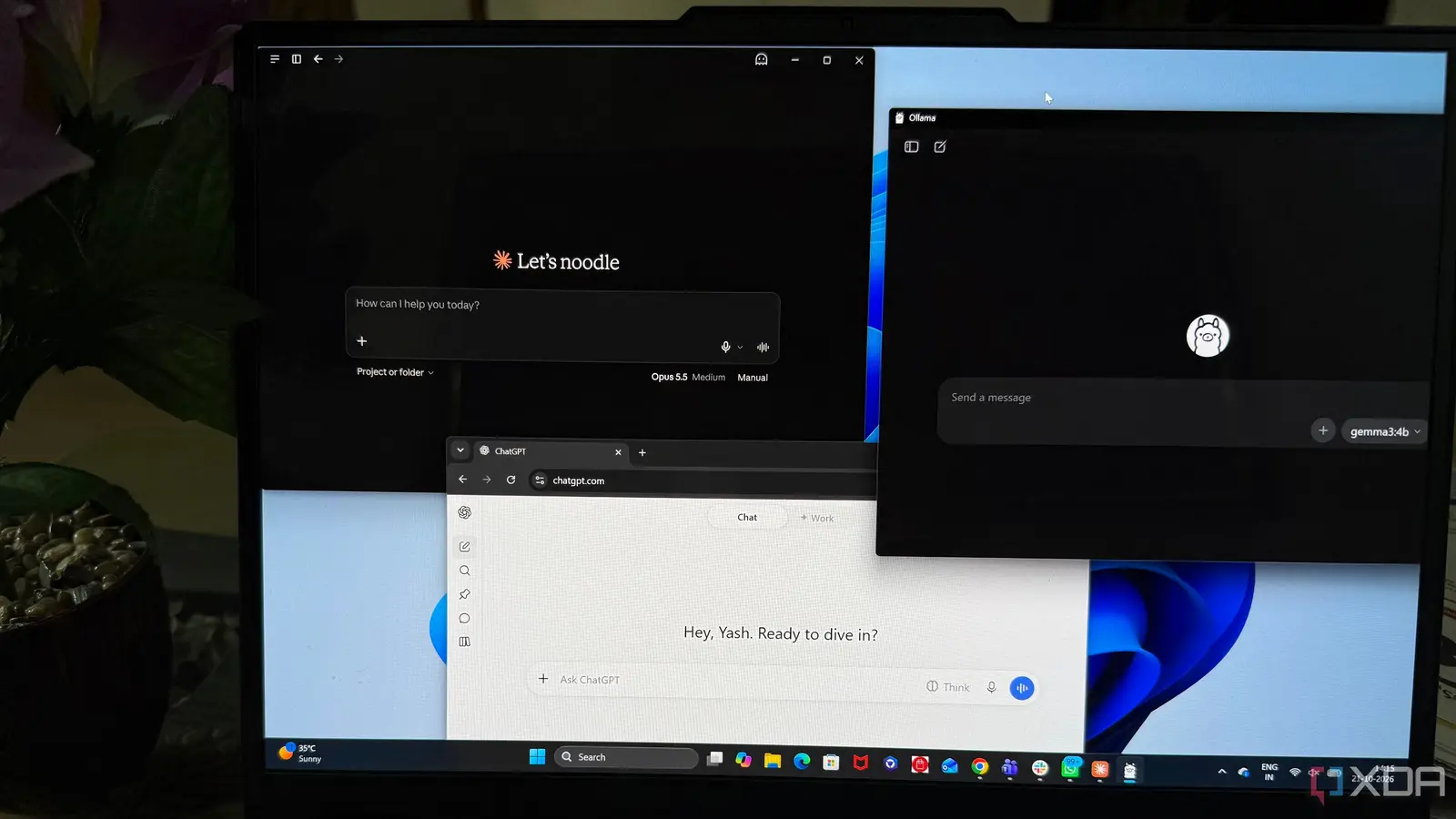
A tech enthusiast recently abandoned paid subscriptions for ChatGPT and Claude, which together cost twenty dollars per month. The move aimed to leverage open-weight models running on personal hardware. This decision stemmed from a desire to eliminate recurring fees while maintaining high performance. The user believed that local execution would offer significant savings over time.
Breaking news
 Samsung Shifts Galaxy Watch Strategy to Two-Year Release Cycle
 Tesla rolls out FSD v15 with major safety upgrade
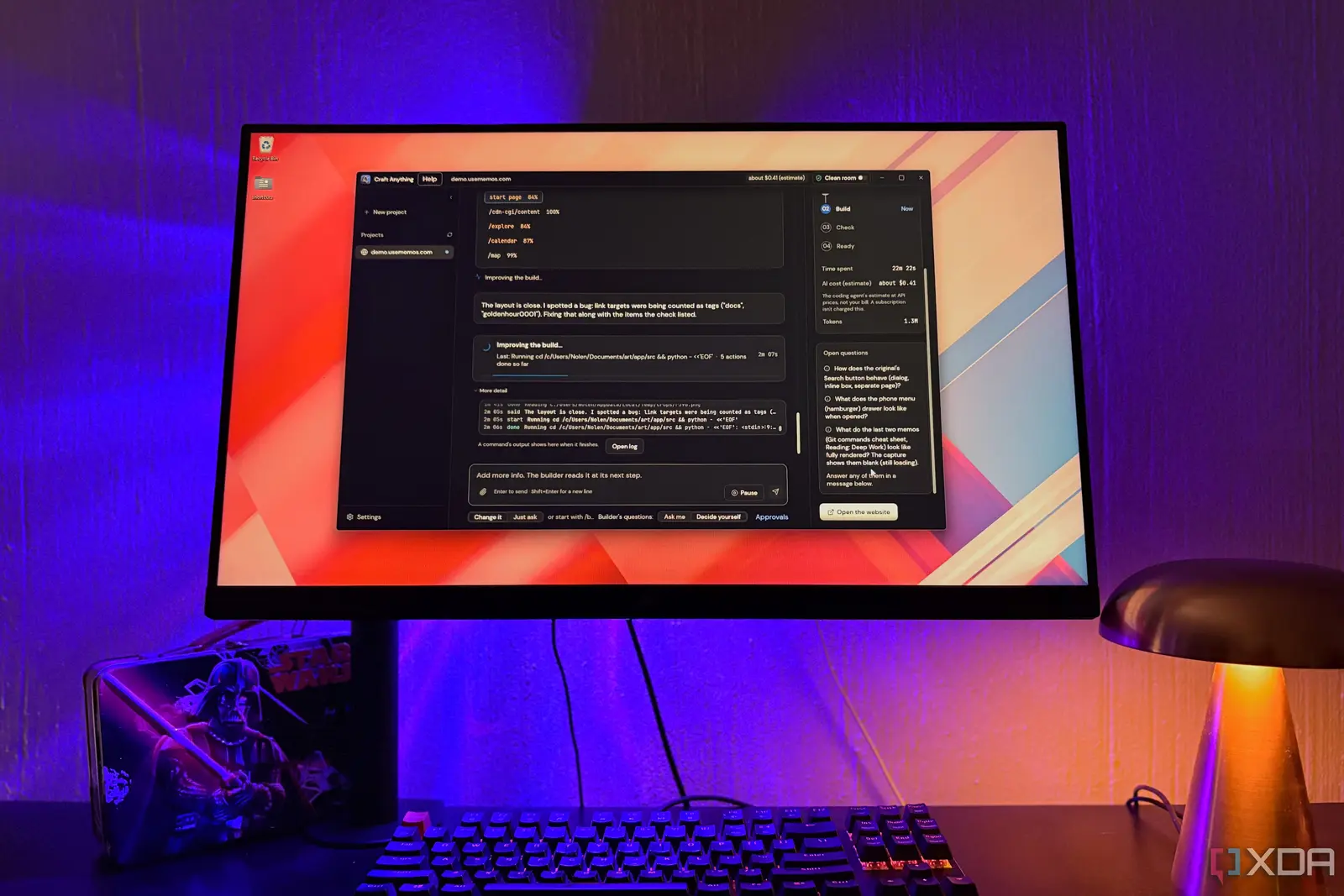 Open-Source Tools Challenge AI-Powered Development Platforms
 AI Infrastructure Bottlenecks: Why Release Pipelines Hold Back Fast Clusters
The motivation behind this switch was straightforward. Monthly AI expenses accumulate quickly when users rely on multiple services simultaneously. As open-weight models became increasingly capable, the gap between free local options and premium cloud services narrowed. The individual already owned a powerful computer, making local deployment seem like a logical next step. The plan was to test this setup rigorously to see if it truly delivered value without hidden downsides.
While the initial setup promised financial relief, the reality proved more complex. Running large language models locally requires substantial computational resources. The user discovered that electricity consumption spiked significantly during heavy usage periods. Furthermore, the need for high-performance graphics cards and ample random access memory added to the upfront hardware investment. These components are not cheap, and their depreciation affects the overall cost structure. The perceived savings from avoiding subscription fees were offset by these tangible hardware and energy expenses.
Did the Switch Actually Save Money?
The experience highlighted a common misconception about free software. Open-weight models are often described as free, but they are only free if you already possess the necessary infrastructure. For users without existing high-end gaming PCs or workstations, the barrier to entry remains high. The user found that the convenience of cloud-based services came with a price tag that was actually lower than the total cost of ownership for local setups. This included maintenance, upgrades, and the physical space required for cooling systems.
When calculating the true cost of local AI, several factors come into play. Electricity bills rose noticeably, particularly during extended sessions of model inference. The user noted that the noise generated by fans working at full capacity was another non-monetary cost. Additionally, the time spent managing updates and troubleshooting compatibility issues added an invisible labor cost. While the monthly cash outlay dropped to zero, the long-term financial picture was less clear than initially hoped. The break-even point for hardware investments took longer to reach than expected.
Frequently Asked Questions
The outcome serves as a cautionary tale for those considering similar switches. It is not just about the sticker price of the software. It is about the entire ecosystem required to support it. Users must weigh the convenience of instant access against the complexity of local management. The shift from subscription to capital expenditure changes the nature of the financial commitment entirely.
Is local AI always cheaper than cloud subscriptions? Not necessarily. While it eliminates monthly fees, it requires significant upfront hardware costs. Electricity and maintenance expenses can erode potential savings over time.
What hardware is needed to run modern open-weight models? You generally need a powerful graphics card with substantial video memory. High-speed system memory and a fast processor also contribute to smooth performance.