AI‑Driven File Audits Beat Traditional Scanners
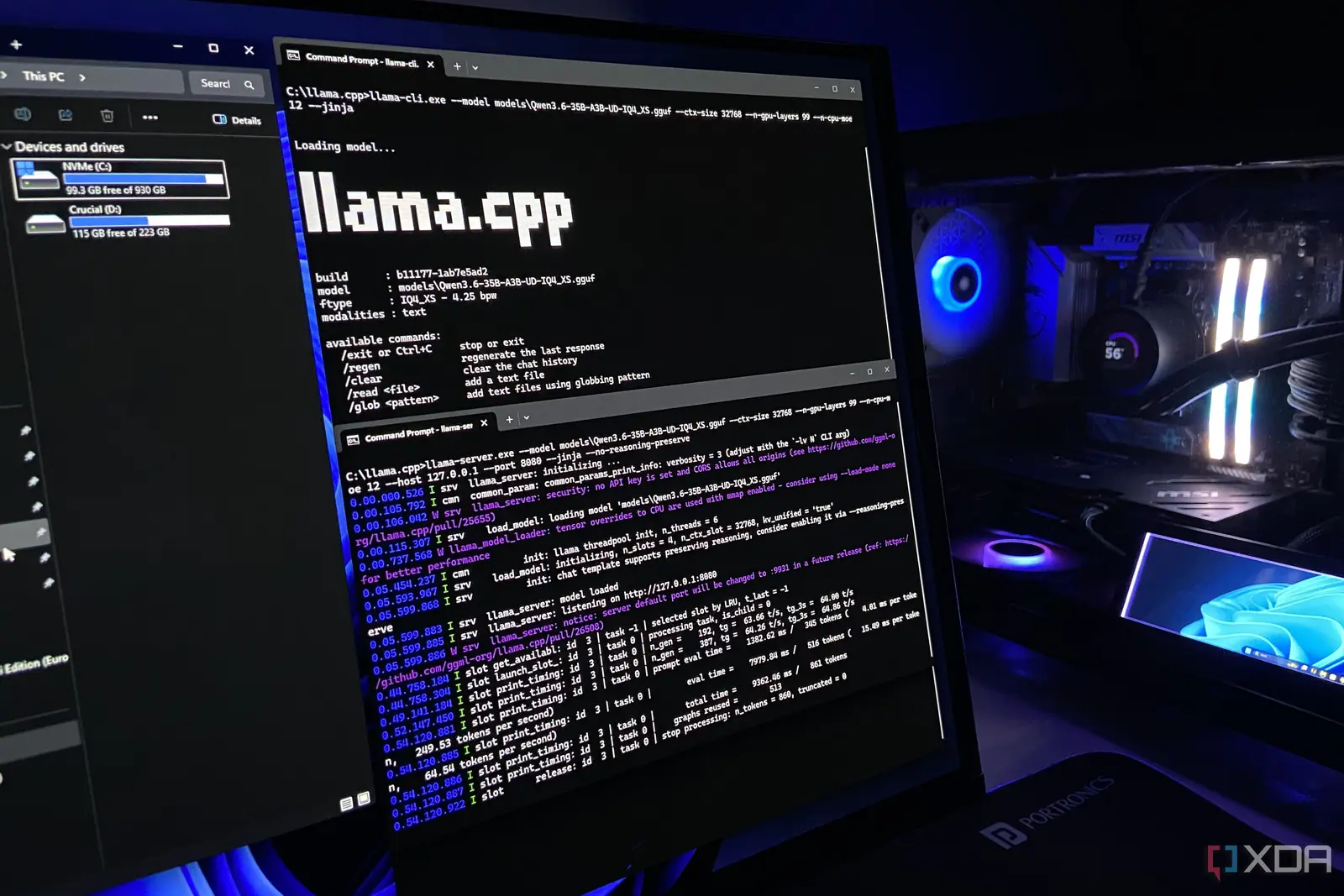
A tech hobbyist in Portland equipped his home‑grown large language model with a nearly full 1 TB SSD, tasking it to locate files safe for deletion. The experiment ran on a modest desktop over three days, ending with roughly 250 GB of recoverable space.
Breaking news
 Town AI Secures $108 Million Series B, Valued at $1 Billion After $55 M Pre‑Series
 Apple Prepares for Major Product Launch Event on October 28
 Apple Releases Release Candidates for watchOS, tvOS and visionOS 27.2
 Apple Limits iPhone Duo and iPhone 18 Pro Max to Reservation-Only Sales in Japan and South Korea
The user, who prefers to remain anonymous, installed the open‑source Qwen 3.6 model on a Linux box and fed it a script that scanned directories, identified duplicate media, old logs, and orphaned package caches. The goal was to see whether an AI could outperform manual cleanup tools like BleachBit or WinDirStat. By prompting the model to „list files that are older than two years, larger than 100 MB, and not accessed recently,” the LLM generated a prioritized deletion list, which the user then verified before removal.
Qwen 3.6 proved adept at interpreting nuanced criteria. It grouped files by type, flagged large video files that hadn’t been opened in years, and even suggested compressing rarely used archives instead of outright deletion. „The model recognized patterns I hadn’t thought to search for, like duplicate photo sets across different folders,” the tester noted. Compared with conventional utilities, the AI reduced the time spent reviewing results by about 40 percent.
Can an LLM Replace Human Judgment in Disk Cleanup?
The experiment raised questions about trust and safety. While the model correctly identified obvious junk, it also flagged a few system configuration files as expendable, prompting the user to intervene. „AI can suggest, but a human must confirm,” he warned. The test highlighted the need for safeguards, such as read‑only modes and verification steps, before allowing autonomous deletions.
Overall, the trial demonstrated that a locally run LLM can serve as a smart assistant for routine maintenance, freeing up storage without compromising data integrity. As AI models become more efficient, similar tools could be integrated into operating systems, offering personalized cleanup recommendations.
Frequently Asked Questions
How does an LLM decide which files are safe to delete? It parses user‑defined rules—age, size, access frequency—and cross‑references file metadata, then ranks items by likelihood of being unnecessary.
Is there a risk of data loss using AI‑driven cleanup? Yes; the model may misclassify critical files. Users should always review suggested deletions and keep backups.
Will future OSes include built‑in AI cleanup assistants? Industry analysts expect tighter AI integration, but widespread adoption will depend on reliability, privacy safeguards, and user trust.
