Building a Humanist Digital Future
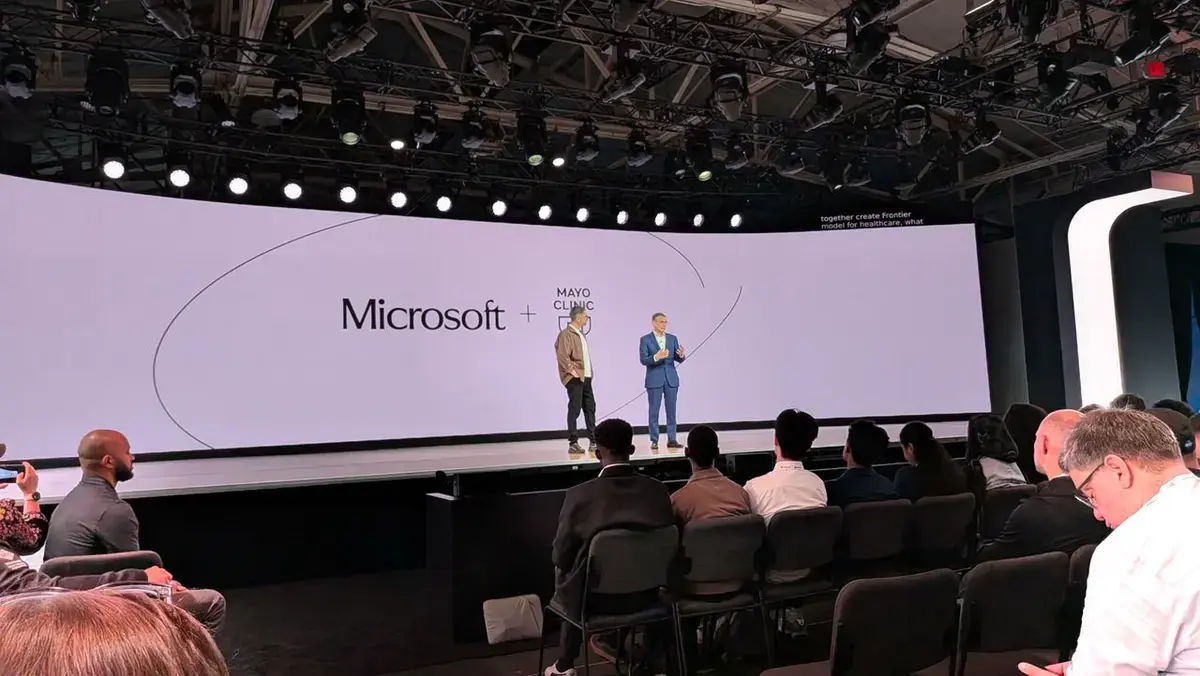
Microsoft’s AI division, led by CEO Mustafa Suleyman, officially introduced seven new artificial intelligence models this week. These tools are designed to empower developers while pushing the industry toward a concept Suleyman calls „humanist superintelligence.”The company aims to ensure that future technological advancements prioritize human needs and societal values above all else.
Breaking news
 Why Authentic Social Signals Matter for AI Training Data Quality
 How Passive Mobile Execution Is Reshaping Digital Labor Economics
 Algorithmic Transparency: How Quantitative Discipline Reshapes Digital Asset Markets
 Why Technical SEO Scanning Is Essential for Modern Web Performance
The new suite of models is intended to streamline development processes and improve how software interacts with complex data. By providing these resources, Microsoft hopes to maintain its momentum in the competitive generative AI market. The initiative highlights a broader strategy to integrate advanced machine learning into everyday applications while maintaining strict ethical oversight.
Suleyman emphasizes that the ultimate goal is not just raw processing power, but a machine intelligence that understands human priorities. He argues that the industry must pivot toward systems that act as partners rather than mere calculators. This approach seeks to align high-level automation with the nuances of human decision-making and ethical standards.
Can Machines Truly Prioritize Humanity?
The rollout serves as a direct invitation to the global developer community. By offering more sophisticated tools, Microsoft aims to foster an ecosystem where innovation flourishes under a human-first framework. These models provide the technical scaffolding necessary for engineers to build applications that are both powerful and inherently safe for public use.
The core challenge remains whether software can be programmed to value human well-being over efficiency. Critics and proponents alike are watching closely to see how these seven models handle complex moral dilemmas. Suleyman remains optimistic that intentional design choices can bake human-centric values directly into the core architecture of future systems.
As these tools reach the hands of developers, the industry will begin to see the practical results of this humanist philosophy. If successful, this shift could redefine the relationship between users and their digital assistants. The long-term impact will depend on how effectively these models translate complex human values into actionable, real-world behavior.
Frequently Asked Questions
What is the primary goal of the new Microsoft AI models? The models aim to provide developers with advanced tools while promoting a humanist superintelligencethat prioritizes human needs and ethical outcomes.
How do these models differ from previous versions? These seven new additions focus on integrating human-centric design principles directly into the development process to ensure safer and more aligned outcomes.
What does humanist superintelligencemean in this context? It refers to an ambitious vision where artificial intelligence is specifically engineered to understand and support human values, rather than focusing solely on computational speed.