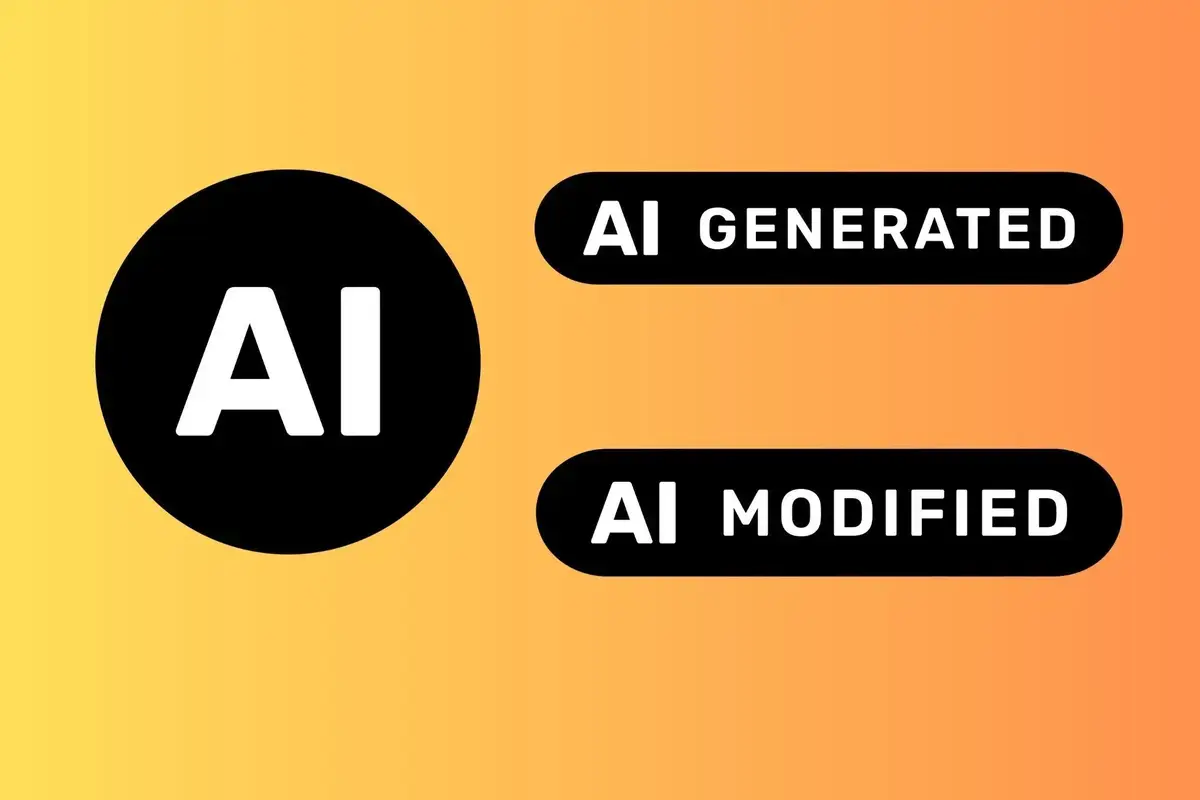
How Will AI Systems Be Labeled?
The European Union has implemented new regulations concerning artificial intelligence. These rules aim to boost transparency for users interacting with AI systems. The goal is to help individuals better understand when they are engaging with AI.
Breaking news
 How Predictive Diagnostics Are Reshaping the Automotive Insurance Ecosystem
 Preparing for the EU AI Act’s Strict Transparency Mandates
 Widespread Firebase SDK Failure Triggers Massive iOS App Crashes
 Former Tesla Engineers Secure Funding for Logistics Automation
These measures are designed to provide clarity in the rapidly evolving digital landscape. They address concerns about the pervasive nature of AI in daily life. The new framework seeks to empower consumers with more information.
The core of the new regulations involves clear labeling. AI systems must now indicate their nature to users. This includes chatbots, content generators, and other AI-powered tools. The intention is to distinguish human interaction from automated processes.
What Does This Mean for Everyday Users?
This initiative follows extensive discussions among EU policymakers. They focused on striking a balance between innovation and user protection. The rules apply across various sectors where AI is deployed. Companies must adapt their systems to comply with these new requirements.
For the average person, these changes mean more informed digital interactions. When you chat with a customer service bot, you should now be aware it's not a human. Similarly, AI-generated images or texts will carry an identifier. This helps to prevent confusion and potential misinformation.
The regulations are a step towards greater accountability in AI development. They put the onus on developers and deployers to be upfront. This move reflects a broader global trend towards regulating AI technology. The EU hopes to set a standard for responsible AI use.
The long-term impact is expected to foster trust in AI applications. Consumers will have a clearer understanding of the technology's role. This could lead to more confident adoption of AI tools in the future.
Frequently Asked Questions
What is the main goal of these new EU rules? The primary goal is to increase transparency for users interacting with artificial intelligence systems. This helps people identify when they are engaging with AI rather than a human.
Which types of AI systems are affected by these regulations? The rules apply to various AI systems, including chatbots, content generation tools, and other AI-powered applications that users might encounter. They cover a broad range of AI deployments.
How will these rules benefit consumers? Consumers will benefit from clearer information about AI interactions. They will be better able to distinguish between human and AI-generated content, reducing potential confusion or deception.