
Why the harness matters more than the model
Gartner reports that open-weight models can execute 90 percent of agentic workloads. They do so at roughly one-twentieth of the cost of top-tier frontier LLMs. This finding challenges the assumption that premium models are always necessary for complex automation.
Breaking news
 Tesla rolls out FSD v15 with major safety upgrade
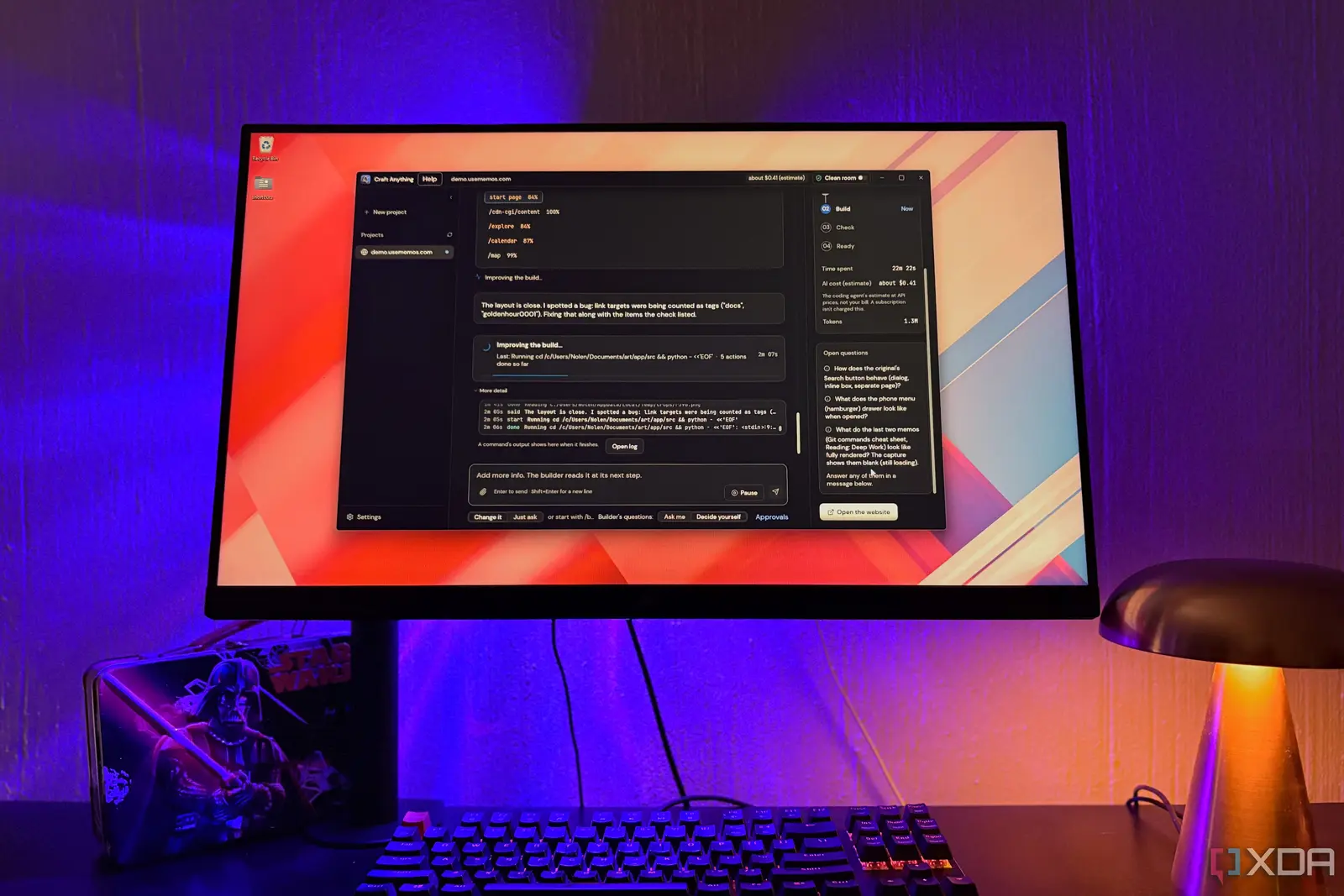 Open-Source Tools Challenge AI-Powered Development Platforms
 AI Infrastructure Bottlenecks: Why Release Pipelines Hold Back Fast Clusters
 Why Apple Vision Pro Never Took Off Like Meta's VR Headsets
The research highlights a critical shift in enterprise AI strategy. Companies are moving away from proprietary frontier models for routine agentic tasks. Instead, they are adopting open models for efficiency and cost control. The real value, Gartner argues, lies not in the model itself but in the surrounding infrastructure.
Gartner positions the model as a commodity. The valuable component is the harness, which includes orchestration, tool integration, and evaluation frameworks. This reframing explains why open models are sufficient for most use cases. The harness determines reliability, not the raw intelligence of the model.
Can open models truly replace frontier LLMs for most work?
Enterprises building agentic systems should focus engineering effort on the harness. A well-designed harness can compensate for a less capable model. This approach reduces dependency on expensive proprietary APIs. It also allows teams to swap models easily without rearchitecting the system.
Gartner data suggests yes, for 90 percent of agentic work. The remaining 10 percent may still require frontier models for peak performance. This hybrid approach balances cost and capability. Companies can route simple tasks to open models and complex ones to frontier systems.
The cost difference is dramatic. A twentieth of the price means significant savings at scale. For high-volume agentic workflows, this translates to substantial operational budget relief. It also reduces vendor lock-in risks associated with proprietary platforms.
The broader implication is clear. AI strategy is shifting from model selection to system design. Teams that invest in robust harnesses gain flexibility. They can leverage open models for cost efficiency while reserving frontier LLMs for edge cases. This balanced approach is becoming the new standard for enterprise agentic deployments.
Frequently Asked Questions
What percentage of agentic work can open models handle? Gartner states open models can do 90 percent of agentic work. The remaining 10 percent may require frontier LLMs for maximum performance.
Why does Gartner say models are commodities? Because the model itself is easily replaceable. The valuable part is the harness that orchestrates tools, data, and evaluations.
How much cheaper are open models compared to frontier LLMs? They cost about one-twentieth as much. This makes them ideal for high-volume, routine agentic tasks.