Why Open Models Matter Beyond Code
Nathan Lambert published a curated reading list on September 11, 2026, to help readers grasp the landscape of open-source artificial intelligence models. The resource compiles key papers, articles, and discussions aimed at building foundational knowledge about open models and their broader implications. It emerged from Lambert’s preparation for public-facing and policy-oriented writing on the topic.
Breaking news
 Trump Orders Federal Agencies to Adopt „Super Intelligence” Terminology
 The Silicon Valley Accountability Gap
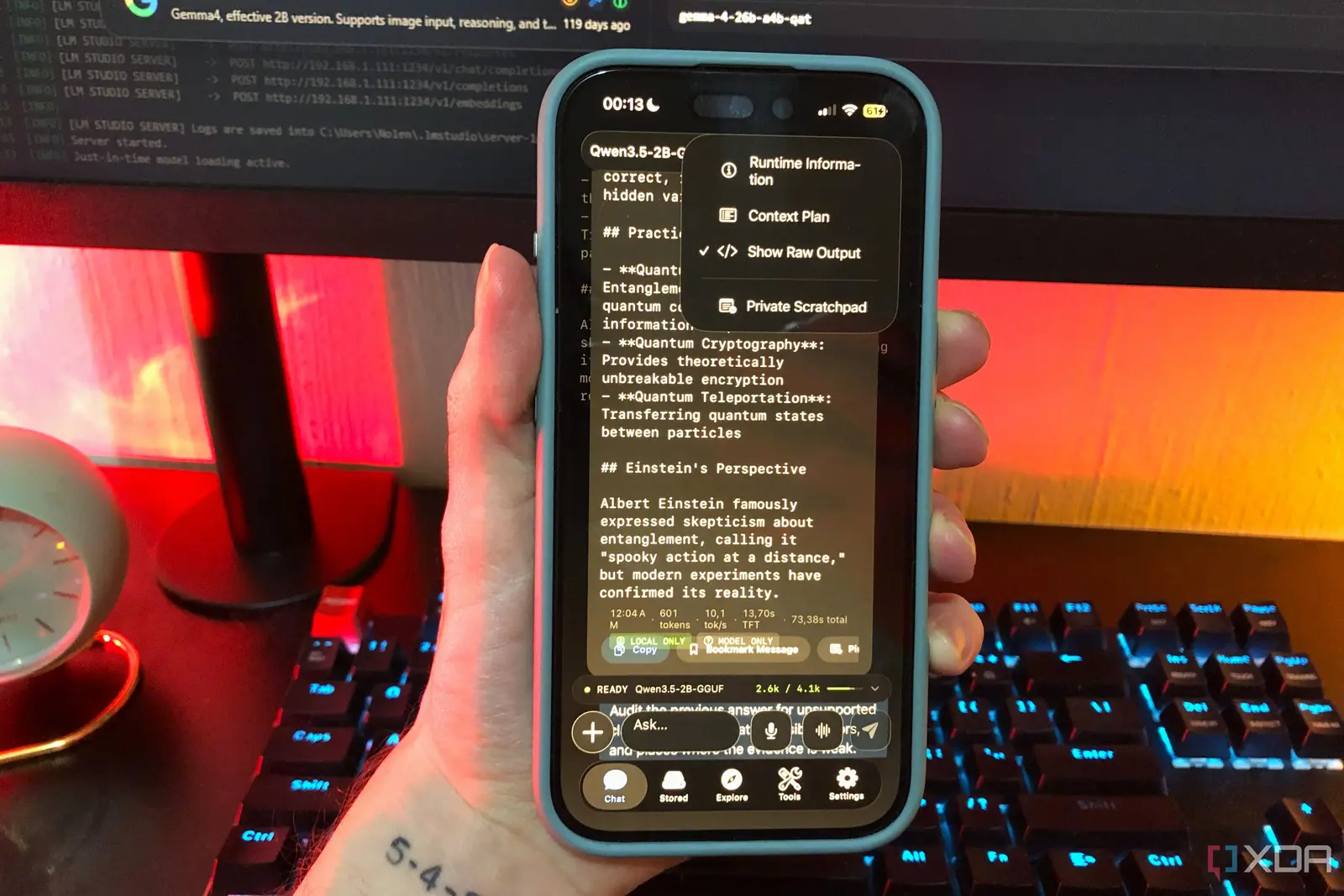 Running a Local AI Model on a Phone Handles Most Chat Prompts
 Google Photos Could Soon Offer a Fresh Start with Ask Photos Feature
The list reflects growing interest in transparency and accessibility within AI development, particularly as debates intensify over model governance and innovation. Lambert emphasized that understanding open models requires engaging with both technical details and societal impacts, noting that many existing resources are scattered or overly academic. His goal was to create a practical entry point for newcomers seeking to navigate the field without getting lost in niche debates.
How Should Policymakers Approach Open AI?
Open models are not just about sharing software; they influence how AI systems are audited, improved, and deployed across industries. Lambert pointed out that openness can foster collaboration but also raises questions about misuse and sustainability. He highlighted recent examples where open models enabled faster progress in healthcare and climate research, while also acknowledging concerns about uncontrolled dissemination. The reading list includes analyses of licensing frameworks and community governance models that attempt to balance openness with responsibility.
Policymakers face challenges in regulating open models without stifling innovation or creating loopholes. Lambert noted that current proposals often struggle to define what constitutes „open” in practice, especially as some models release weights but restrict usage through licenses. He suggested that effective policy should focus on outcomes—such as safety and equity—rather than purely technical openness. The reading list includes excerpts from recent government workshops and academic critiques that explore these tensions.
What qualifies as an open-source AI model? An open-source AI model typically makes its code, training data, or model weights publicly available under a license that permits reuse and modification. However, definitions vary, and some models labeled as open may impose restrictions on commercial use or redistribution.
Frequently Asked Questions
How do open models differ from proprietary ones in development? Open models often rely on community contributions for improvements and bug fixes, while proprietary models are developed internally with closed feedback loops. This can lead to faster innovation in open ecosystems but may lack the polished support and documentation found in commercial products.
Can open models be safe to use in high-stakes applications? Safety depends on how the model is tested, monitored, and deployed, not just its openness. Lambert stressed that openness enables greater scrutiny, which can improve safety over time, but users must still implement rigorous validation processes regardless of the model’s origin.