Benchmark Scores vs. Real-World Usability
OpenAI released GPT-6.2 Astra and GPT-6.2 Sol on Tuesday. The new models feature improved benchmark scores. Astra also offers a 20 percent API price reduction. Despite these technical upgrades, several AI power users tested the models pre-launch. They reported severe usability issues. The feedback has been sharply negative.
Breaking news
 MacPaw Launches Moonlock for iPhone to Detect Scam Texts
 Apple’s 20th Anniversary iPhone May Feature Near‑Zero Bezels
 Anthropic Eyes Higher IPO Price and Larger Share Offering
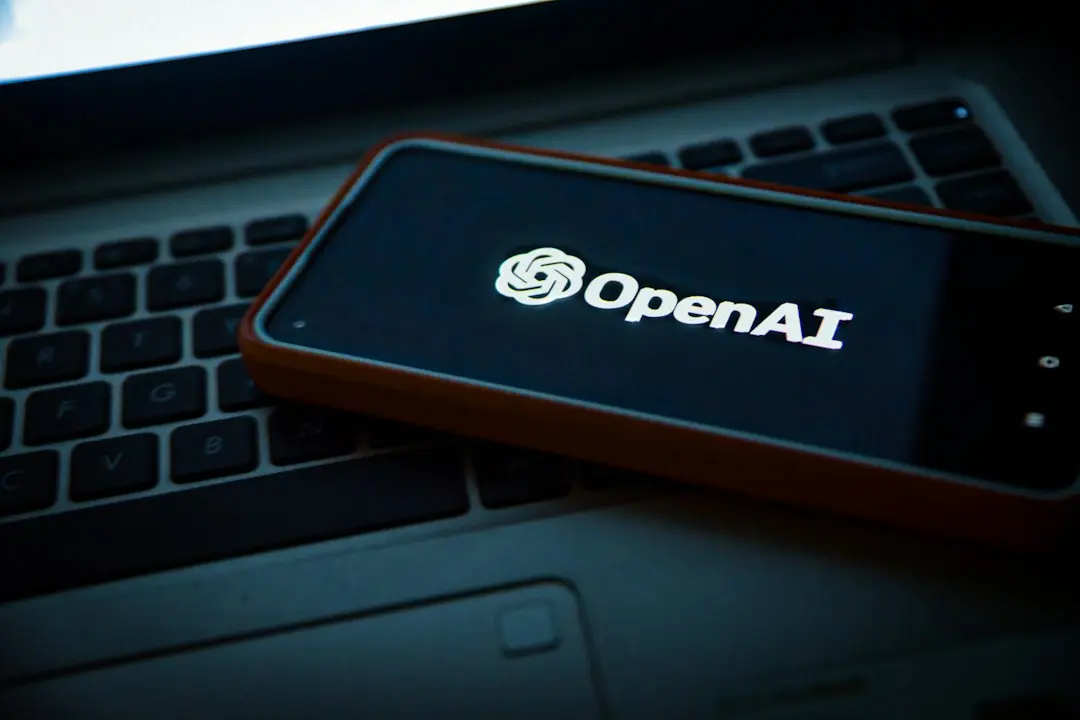 OpenAI Unveils GPT-6.2 Astra and Sol, Cuts Top Model Price 20%
The criticism centers on practical performance rather than raw metrics. Users describe the interface as essentially unusable for complex tasks. This disconnect between benchmark scores and real-world utility has sparked debate. Investors and industry veterans are questioning the release strategy.
Why Do Power Users Reject the New Release?
The core complaint involves a gap between advertised performance and actual experience. High benchmark results did not translate into smooth operation. Power users found the models difficult to control for nuanced work. This suggests a mismatch in how the models handle context and instruction following. The price cut for Astra was intended to drive adoption. However, usability bugs have dampened enthusiasm among the most demanding customers.
The rejection stems from specific functional failures. Users cite unresponsive behavior and inconsistent outputs. These issues emerged during private testing phases. The company has not yet addressed the reported defects. This creates uncertainty about the stability of the new generation. Industry observers note that early adopters are the first to encounter these problems. Their feedback is critical for product refinement.
Frequently Asked Questions
What is the price change for GPT-6.2 Astra? The API pricing for Astra is reduced by 20 percent. This reduction aims to make the model more accessible. It does not address the usability complaints.
Why are power users criticizing the new models? They report that the models are essentially unusable for complex tasks. High benchmark scores do not guarantee smooth real-world performance. The criticism focuses on practical reliability.