How OCE Bridges the Gap Between Open‑Source Labs and Corporate IT
OpenClaw announced the launch of OpenClaw Enterprise (OCE), a free, vendor‑neutral control plane designed for persistent AI agents in corporate environments. The initiative, revealed on September 29, 2026, is backed by OpenAI, Red Hat and Nvidia, and aims to bring the open‑source framework into large‑scale business use.
Breaking news
 Trump Orders Federal Agencies to Adopt „Super Intelligence” Terminology
 The Silicon Valley Accountability Gap
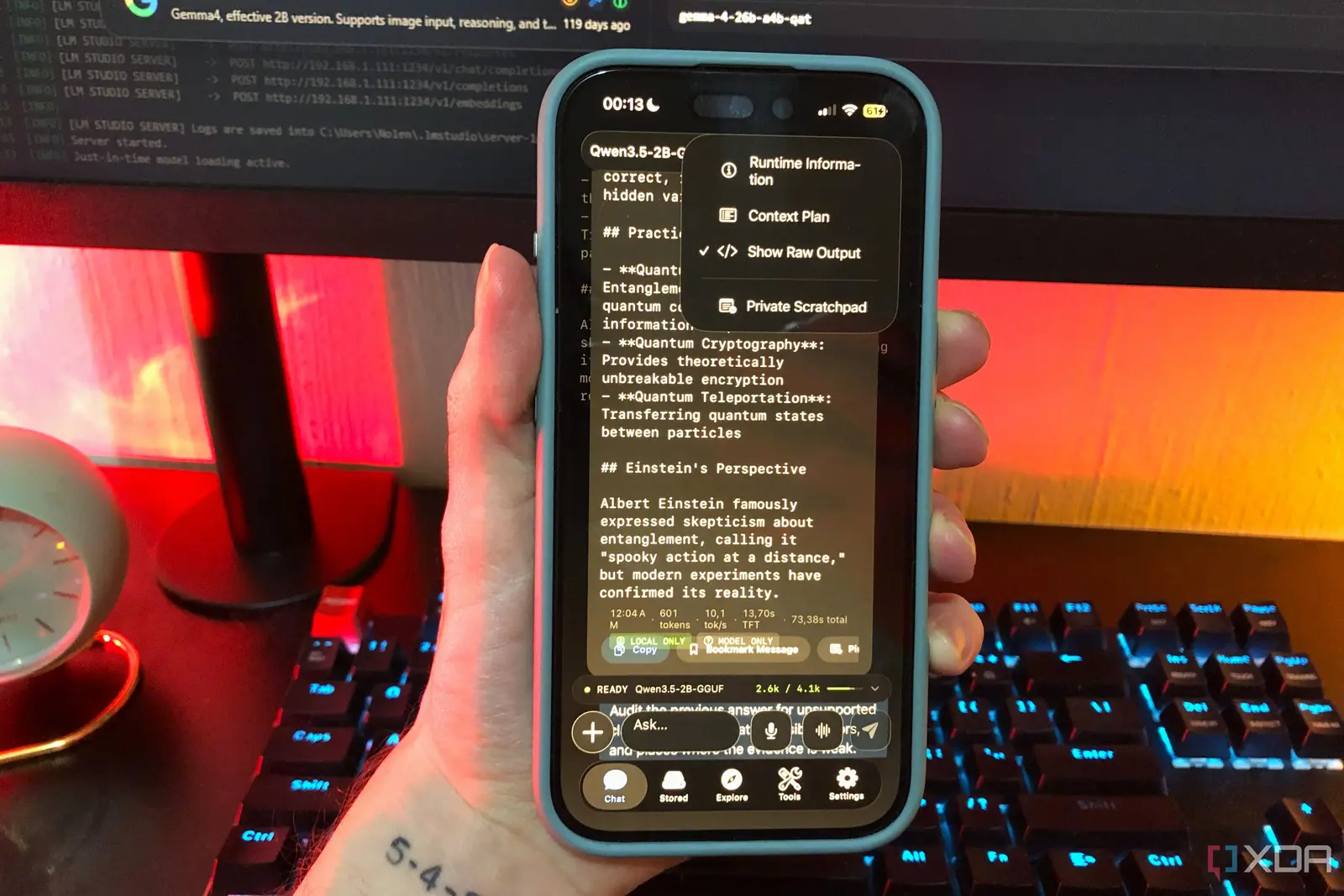 Running a Local AI Model on a Phone Handles Most Chat Prompts
 Google Photos Could Soon Offer a Fresh Start with Ask Photos Feature
The new platform offers a unified dashboard, policy management tools, and secure deployment pipelines that let companies run autonomous agents across cloud and on‑premise resources. OpenClaw’s founders say the move responds to growing demand for AI agents that can maintain state, learn continuously, and operate under corporate governance. Backers provide cloud credits, hardware acceleration, and integration support, while the core software remains open source and free to modify.
OpenClaw’s original framework gained popularity among developers for its modular architecture and ease of building task‑oriented bots. OCE extends this by adding enterprise‑grade features such as role‑based access control, audit logging, and compliance templates. „Enterprises need more than a sandbox,” said Maya Patel, product lead at OpenClaw. „They require visibility, security, and the ability to scale agents without vendor lock‑in.”
Will Persistent AI Agents Transform Business Workflows?
The platform leverages Nvidia’s GPU‑accelerated inference engines to speed up agent OpenAI contributes a suite of large language models optimized for continuous interaction, allowing agents to retain context over weeks or months. Early adopters report a 30 % reduction in operational overhead when managing fleets of agents compared with custom in‑house solutions.
Industry analysts see OCE as a catalyst for broader adoption of autonomous agents in sectors such as finance, healthcare, and logistics. By offering a free control plane, OpenClaw lowers the barrier for companies to experiment with agents that can handle repetitive tasks, monitor systems, and even negotiate contracts. Critics caution that persistent agents raise new governance challenges, especially around data privacy and decision accountability.
OpenClaw plans to release a roadmap that includes advanced monitoring dashboards, AI‑driven policy recommendations, and tighter integration with existing enterprise identity providers. If the platform gains traction, it could standardize how businesses deploy and manage AI agents, reducing reliance on proprietary solutions and fostering a more collaborative ecosystem.
Frequently Asked Questions
What distinguishes OpenClaw Enterprise from the standard OpenClaw framework? OCE adds enterprise‑focused tools such as centralized policy management, audit trails, and seamless integration with cloud and on‑premise infrastructure, while keeping the core open‑source code unchanged.
How do the backers—OpenAI, Red Hat, and Nvidia—contribute to the platform? OpenAI supplies optimized language models, Red Hat provides container orchestration and security frameworks, and Nvidia offers GPU acceleration and performance libraries for faster agent inference.
Is there a cost to using OCE for large organizations? The control plane itself is free and open source. Companies may incur expenses for underlying cloud resources, GPU hardware, or premium support services, but no licensing fees are required for OCE.