AI Coders Are Already Writing Code
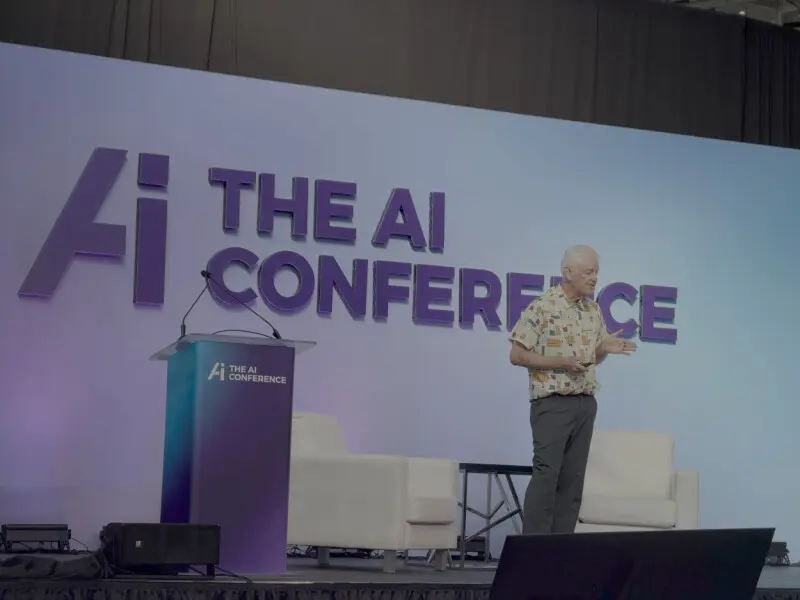
Peter Norvig, chief scientist at Google AI, urged developers to prepare for a new era of programming. He said that AI coding tools are no longer experimental; they are actively writing production code. Norvig’s remarks came during a recent industry gathering in San Francisco, where he highlighted the rapid progress of machine‑learning models that can generate, refactor, and test code.
Breaking news
 DIG Ventures Secures Fresh Capital for Next-Gen Tech
 Anthropic Launches Claude for Government, Expands Code AI Capabilities
 Tencent Secures Oracle Deal for Advanced AI Chips via Southeast Asia
 DNA Storage Capsules Promise Massive Data Longevity
The rise of AI assistants such as GitHub Copilot, OpenAI’s Codex, and other language models has changed the way developers write code. These tools can draft functions, suggest fixes, and even explain complex logic. Norvig noted that while the technology offers speed and consistency, it also introduces unfamiliar risks. Bugs may arise from misunderstood context, and the reliance on AI can erode developers’ deep understanding of the systems they build.
AI assistants can produce working code snippets in seconds, reducing the time spent on boilerplate tasks. They learn from vast code repositories, capturing patterns that humans might overlook. As a result, teams are experimenting with AI‑generated components in production environments. However, the outputs can sometimes contain subtle errors or outdated practices. Norvig emphasized that developers must review AI output with the same rigor applied to human‑written code.
Will Code Reviews Keep Their Relevance?
The adoption of AI coding also affects the software lifecycle. Continuous integration pipelines now need to handle AI‑generated files, and automated testing must validate both human and machine contributions. Teams that ignore these changes risk accumulating technical debt. Norvig urged organizations to update their quality gates and documentation standards to accommodate AI‑driven development.
Traditional code reviews serve as a safety net against mistakes and promote knowledge sharing. With AI writing large portions of code, the role of a reviewer may shift. Norvig suggested that reviewers focus on design intent, security implications, and integration points rather than line‑by‑line syntax. He also highlighted the importance of training developers to understand how AI models work, so they can spot logical gaps that automated tests might miss.
The question remains whether the industry can maintain rigorous standards while embracing AI. Some experts argue that AI can actually improve review quality by flagging potential issues before human review. Others warn that overreliance on AI could lower the overall skill level in teams. Norvig called for a balanced approach, combining AI assistance with human oversight and continuous learning.
The consequences of ignoring these shifts are clear. Companies that fail to adapt risk falling behind competitors that leverage AI for faster delivery and higher quality. On the other hand, those that invest in new processes and skill sets can unlock significant productivity gains. Norvig’s message is one of urgency: software engineering must evolve to keep pace with AI’s growing capabilities.
Frequently Asked Questions
What is AI coding? AI coding refers to the use of machine‑learning models that generate or suggest code based on prompts, context, or existing codebases. These models can produce functional snippets, automate repetitive tasks, and offer inline documentation.
How will developers adapt? Developers will need to learn how to interact with AI tools, evaluate their output critically, and integrate them into established workflows. Training on model behavior, testing strategies, and new documentation practices will be essential.
Will AI replace programmers? AI is unlikely to replace programmers entirely. Instead, it will shift the focus from writing boilerplate code to designing systems, solving complex problems, and ensuring that AI‑generated code aligns with business goals.