Sierra’s Explosive Growth vs. ServiceNow’s Stumble
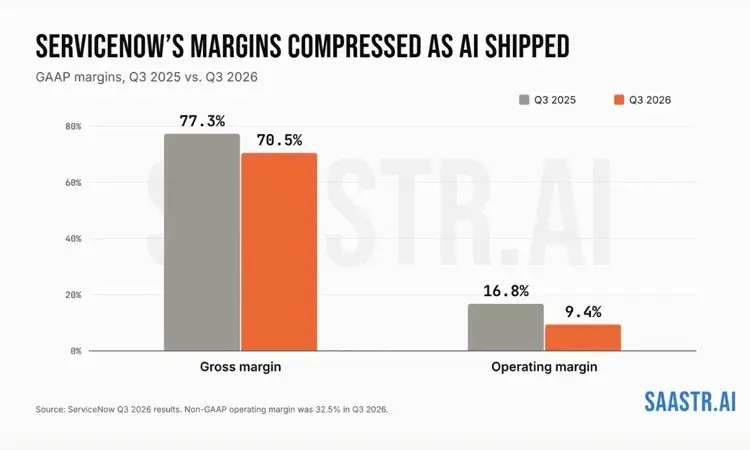
Two contrasting events unfolded within 24 hours this week, offering a clearer picture of B2B software’s future than any „SaaS is dead” narrative. On Thursday, ServiceNow shares plunged 26.9% following its Q3 earnings report, while the S&P 500 only dipped 0.3%. The next morning, Sierra released its Q3 results, revealing a massive surge in annual recurring revenue.
Breaking news
 MacBook Pro Battery Evolution: Comparing 2011 to 2026
 OpenAI Chief Executive Visits Tech Giants to Secure Critical Memory Supplies
 Finnish Police Launch Criminal Probe into Google’s Muhs Data Centre Over Alleged Environmental Harm
 Brooklyn Midterm Event Highlights Growing Concerns Over Data Center Expansion
Sierra, the AI customer service startup, added $150 million in ARR in a single quarter. This growth rate dwarfs the steady, incremental expansion typical of legacy SaaS vendors. ServiceNow, by contrast, saw its stock evaporate nearly a quarter of its value in one session. The market is punishing old SaaS models that rely on seat-based licensing and slow feature rollouts.
What Does This Mean for the Next Decade of B2B?
The divergence signals a structural shift. Buyers now favor outcome-based, AI-native platforms over traditional software subscriptions. Sierra’s model ties pricing to results, not user counts. ServiceNow’s drop reflects investor fatigue with high-growth, high-burn legacy SaaS. The data suggests the market is reallocating capital toward companies that deliver measurable business impact.
Did ServiceNow miss revenue expectations? Yes. The 26.9% stock drop indicates the Q3 report disappointed investors on key metrics.
Frequently Asked Questions
How much ARR did Sierra add this quarter? Sierra added $150 million in annual recurring revenue in Q3, a record for the company.
Is traditional SaaS truly dead? Not dead, but the old model is fading. AI-native, outcome-based SaaS is replacing seat-licensed software in buyer preference.