Streamlining Fragmented Digital Content
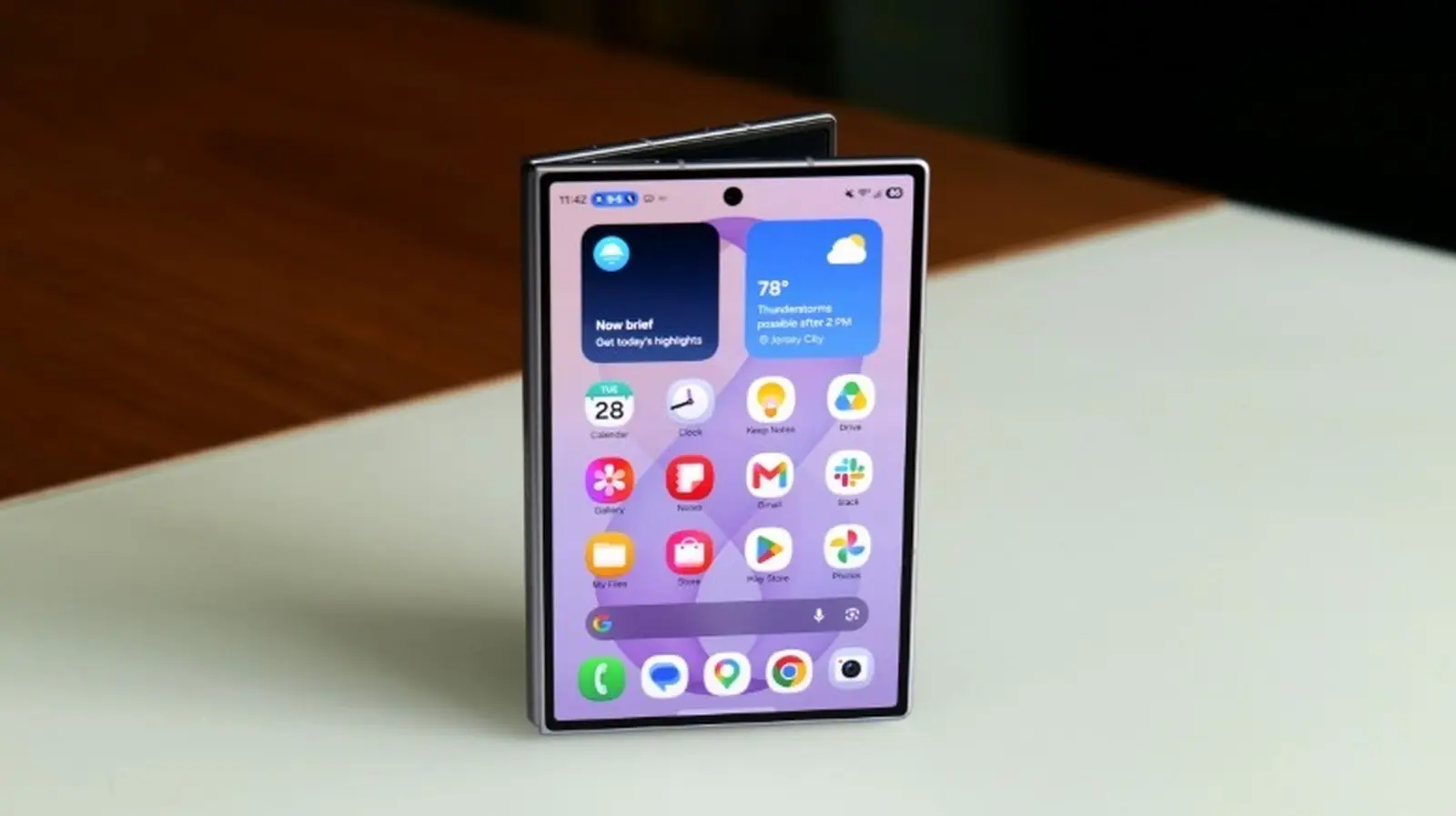
Samsung is set to introduce significant AI-driven upgrades in its upcoming One UI 9.5 software release. The company aims to consolidate fragmented data across various applications, mirroring the functionality found in Google’s Pixel Screenshots tool. This shift marks a strategic move to improve how users manage scattered digital information on their devices.
Breaking news
 Samsung Shifts Galaxy Watch Strategy to Two-Year Release Cycle
 Tesla rolls out FSD v15 with major safety upgrade
 Open-Source Tools Challenge AI-Powered Development Platforms
 AI Infrastructure Bottlenecks: Why Release Pipelines Hold Back Fast Clusters
The update focuses on utilizing artificial intelligence to bridge the gap between different services. By analyzing content across a wide range of installed apps, the system intends to create a more cohesive user experience. This approach addresses the common frustration of searching through multiple platforms to locate specific details or saved media.
Modern smartphones often store vital information in isolated silos. Users frequently struggle to track data across emails, messaging apps, and cloud storage services. Samsung’s new tool seeks to act as a central hub, pulling these disparate threads into a single, searchable interface.
Will This Change How We Manage Mobile Data?
By mimicking the capabilities of current industry competitors, Samsung is positioning its software to be more intuitive. The goal is to reduce the manual effort required to organize personal data. This integration suggests that future Galaxy devices will rely heavily on on-device intelligence to keep user information accessible and orderly.
The implementation of this feature signals a broader trend in mobile operating systems. Manufacturers are increasingly prioritizing AI as a utility for organization rather than just a novelty. If successful, this update could fundamentally change how individuals interact with their stored content on a daily basis.
Frequently Asked Questions
As Samsung continues to refine its software ecosystem, the focus remains on user convenience. By automating the retrieval and categorization of information, the company hopes to keep its user base engaged. The success of One UI 9.5 will likely depend on how accurately the AI interprets user needs across diverse app environments.
What is the primary goal of the One UI 9.5 update? The update aims to consolidate fragmented information from various apps into one central location. It uses AI to help users find and organize data more efficiently.
How does this compare to existing technology? The feature functions similarly to Google's Pixel Screenshots tool. It focuses on pulling together scattered data points from across the entire device ecosystem.