Overcoming Severe Resource Constraints
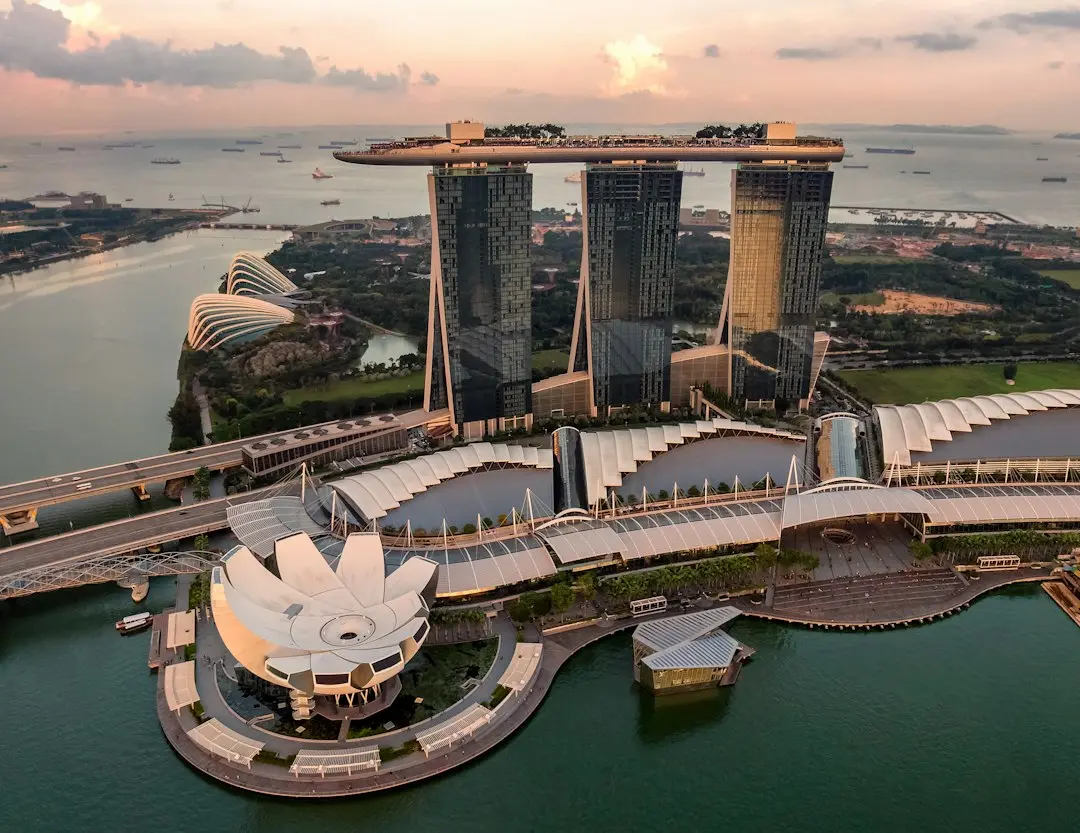
Singapore is aggressively expanding its semiconductor manufacturing industry this year. The city-state aims to capitalize on the explosive global demand for artificial intelligence hardware and advanced computing components.
Breaking news
 Trump Orders Federal Agencies to Adopt „Super Intelligence” Terminology
 The Silicon Valley Accountability Gap
 Running a Local AI Model on a Phone Handles Most Chat Prompts
 Google Photos Could Soon Offer a Fresh Start with Ask Photos Feature
The rapid growth in AI technology has provided a massive boost to the local economy. Facilities across the island are operating at peak capacity to fulfill orders for critical tech hardware.
Building a bigger semiconductor footprint is far from simple in this densely populated island nation. Industry leaders face extreme shortages of available land for new fabrication plants.
Can Global Trade Tensions Derail Growth?
Securing enough skilled labor remains a constant challenge for expanding tech operations. Furthermore, astronomical operational costs put a heavy financial burden on incoming manufacturing projects.
Strict international trade rules and ongoing US regulatory scrutiny add layers of complexity to local expansion. Navigating these geopolitical hurdles requires careful diplomacy and strict compliance from domestic firms.
Despite these formidable roadblocks, government backing helps keep the ambitious semiconductor strategy moving forward. Officials remain determined to secure the nation's position as a vital hub in the global supply chain.
Frequently Asked Questions
Why is Singapore focusing on chipmaking now? The massive global boom in artificial intelligence has created unprecedented demand for advanced microchips. Singapore wants to leverage this economic wave to strengthen its technological standing.
What are the main challenges facing this expansion? Manufacturers struggle with very high operational costs, extremely limited land availability, and severe labor shortages.
How do international regulations affect the local industry? Strict trade policies and US regulatory scrutiny introduce significant compliance challenges for firms operating within the region.