The Spread of Digital Hoaxes
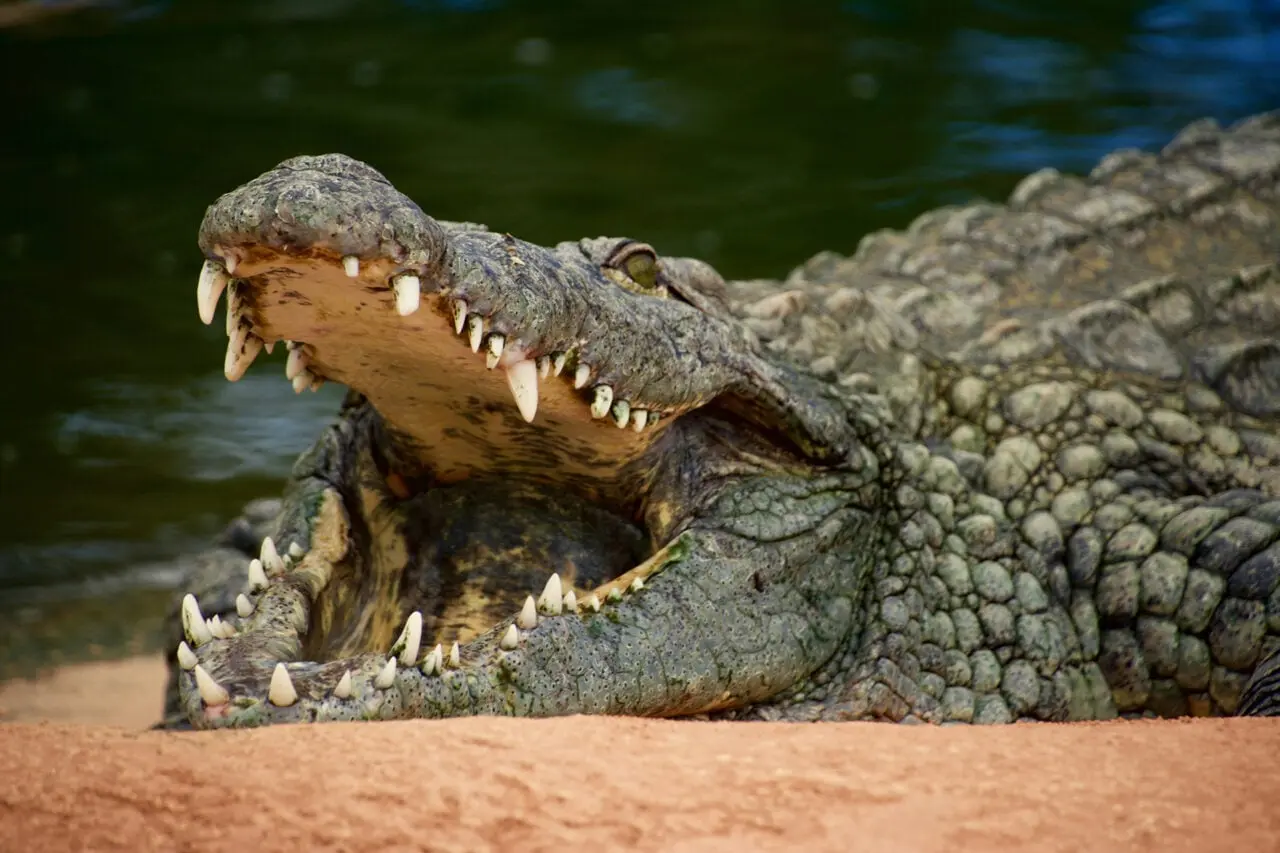
A Singaporean man posted an AI‑generated picture of a crocodile in a popular reservoir last month. The photo was shared on a local messaging app and quickly went viral. Many people believed it was real and visited the site to confirm.
Breaking news
 How Artificial Intelligence Is Transforming Microchip Engineering
 Securing Data Centers Through Hardware-Based Trust Architectures
 Humanoid Robots Demand Advanced Memory Systems
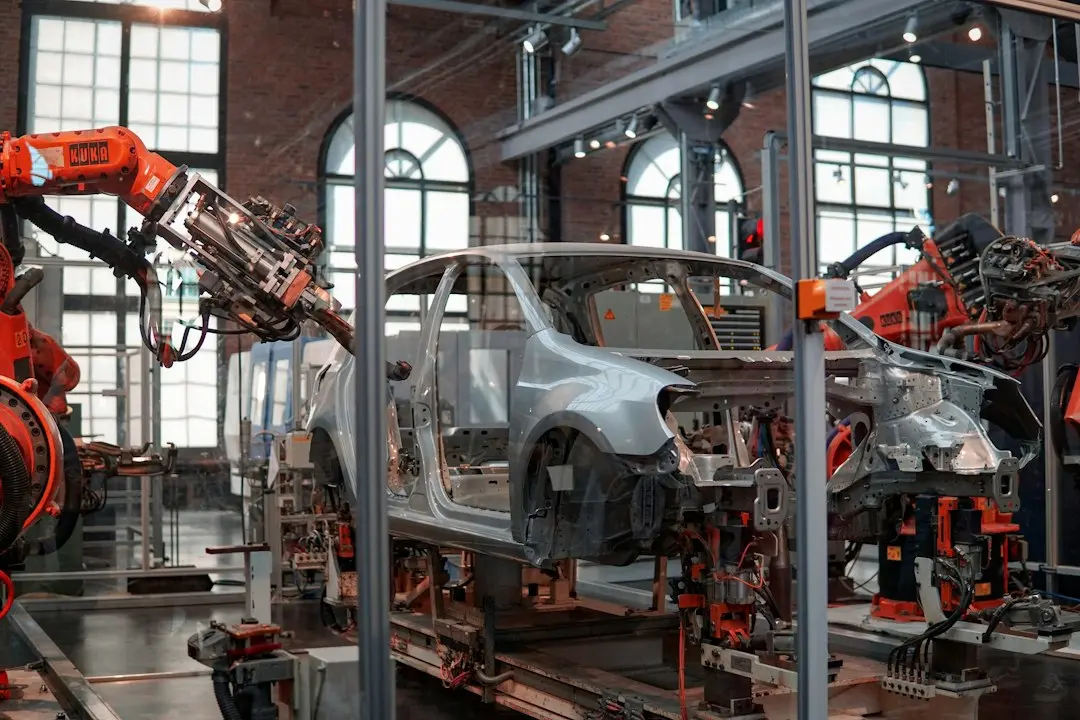 The Evolution of Artificial Intelligence in Modern Car Architecture
The reservoir, located near the city’s outskirts, is a common spot for families and tourists. The image showed a massive reptile lurking in the water, a sight that could have caused panic. The poster claimed it was an authentic photograph, but experts noted obvious digital artifacts. The post was flagged by several users, yet it continued to spread.
The photo was shared by thousands within hours. A handful of local news outlets picked it up, amplifying the story. Social media algorithms pushed the content to users who liked wildlife or travel posts. Within 24 hours, the image had been seen by over 200,000 people.
Legal and Social Consequences
Authorities responded swiftly. The National Parks Board issued a statement confirming no crocodiles were present in the reservoir. They urged the public not to visit the site until further notice. The police opened an investigation into the poster, citing potential violations of public safety laws.
The incident sparked a debate about the role of generative AI in creating misinformation. Experts warned that AI can produce realistic images that are hard to detect. They called for better tools to verify authenticity. The incident also highlighted the need for digital literacy among the general public.
The man who posted the image faces potential fines under Singapore’s Public Order Act. He is also being investigated for defamation, as the photo could be seen as misleading the public. The police have requested his cooperation in clarifying how the image was created.
Social media platforms have updated their policies on AI‑generated content. The app used to share the photo now requires users to label synthetic media. The platform also increased monitoring of posts that could incite panic or spread false information.
Frequently Asked Questions
The incident has led to calls for stricter regulation of AI technology. Some lawmakers propose new guidelines that would require creators to disclose when content is AI‑generated. The public reaction has been mixed. While many support stronger oversight, others fear it could stifle creative expression.
The reservoir’s management has increased patrols to reassure visitors. They plan to install informational signs explaining the risks of misinformation. The incident has also prompted local schools to include digital media education in their curricula.
The fallout from this viral image underscores the growing challenge of AI‑driven misinformation. Singapore’s response may set a precedent for other countries grappling with similar issues. The public remains cautious, and authorities are working to prevent future incidents.