Engineering Feasibility and Supply Chain Realities
Elon Musk has declared that SpaceX is highly confidentin its ability to deploy 10 gigawatts of data center capacity within 2027. This target exceeds the total lifetime compute capacity of Google, positioning the company as a dominant force in AI infrastructure. The announcement comes as global demand for artificial intelligence processing power continues to surge.
Breaking news
 Stockholm AI Firm Green Voltis Secures €13.5 Million Series A to Expand Battery‑Storage Trading Across Europe
 VÆRIDION Secures €124 Million for Electric Regional Aviation
 Motorola Signature 27: The $1,599 Flagship That Dares to Challenge Apple and Samsung
 Discord is moving its desktop app from Electron to Rust for improved speed and memory safety; its CTO shares an image of the new interface
Analysts at Semiaccurate have published a detailed assessment of this claim. They conclude that the target is technically feasible, provided several critical conditions are met. The analysis breaks down the engineering, supply chain, and financial requirements needed to make the project a reality.
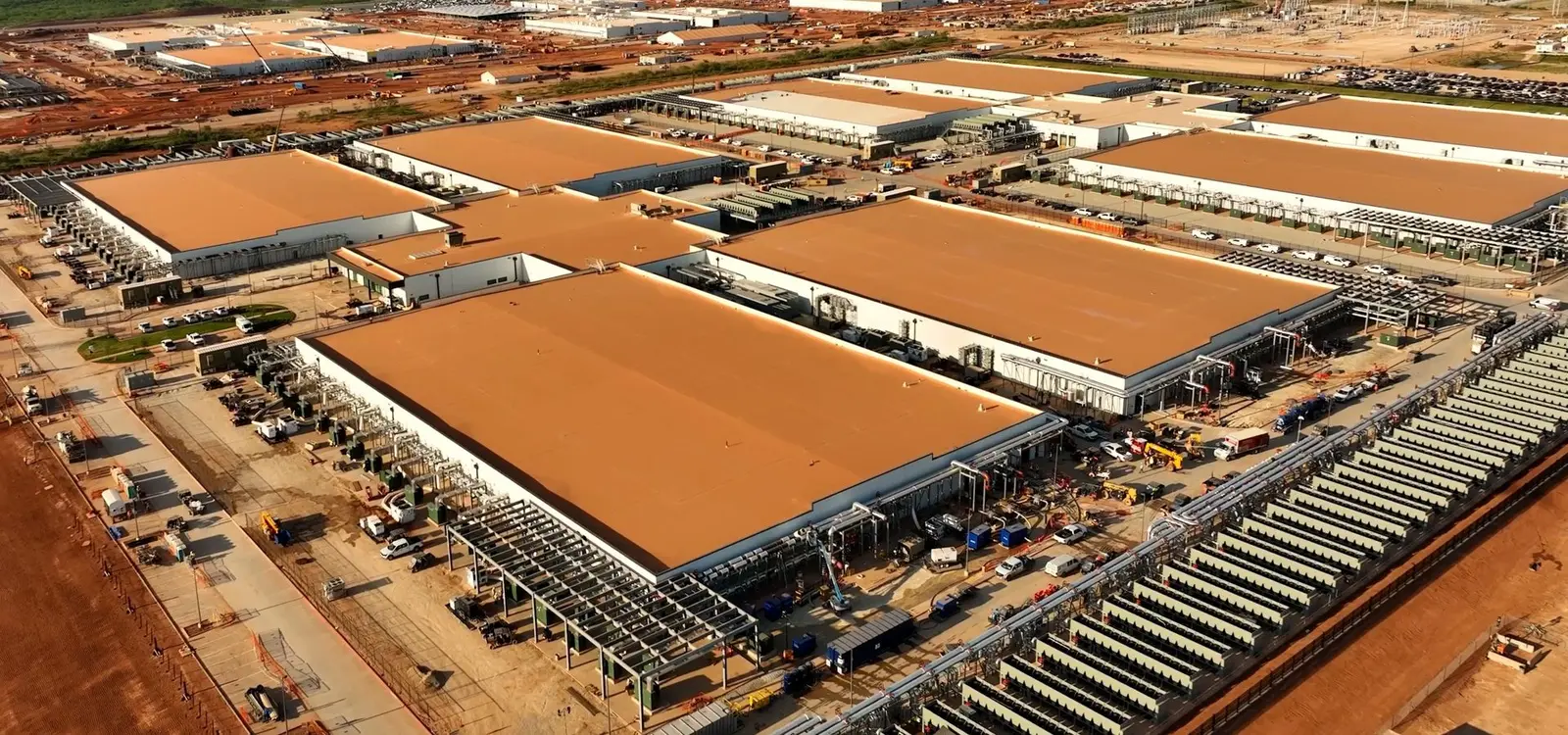
Building 10 GW of compute requires an unprecedented scale of hardware procurement. This includes thousands of high-end GPUs, advanced cooling systems, and massive power infrastructure. The Semiaccurate report highlights that component availability and manufacturing lead times are the primary bottlenecks. Without a secured supply chain, the 2027 deadline becomes unachievable.
Can SpaceX Actually Outpace Legacy Tech Giants?
Power generation and distribution also present significant challenges. A 10 GW facility consumes energy equivalent to a mid-sized city. SpaceX must secure reliable power sources, likely involving a mix of nuclear, solar, and battery storage. The report notes that grid connection approvals and transformer production are often slower than hardware installation.
The comparison to Google's lifetime capacity is striking. Google has spent over a decade building its data center footprint. SpaceX aims to replicate that entire scale in just 1.5 years. This aggressive timeline relies on parallel construction and rapid deployment strategies. It also assumes minimal regulatory delays and uninterrupted funding.
Frequently Asked Questions
Musk’s track record with SpaceX suggests a capacity for rapid execution. However, data center construction involves complex civil engineering, not just rocket launches. The Semiaccurate analysts emphasize that success depends on aligning hardware delivery, power infrastructure, and software integration simultaneously.
Is the 10 GW target realistic? Analysts say it is plausible if the stars align. This means perfect coordination between hardware suppliers, power providers, and construction teams. Any major delay in one area could push the timeline back.
How does this compare to existing tech giants? The 10 GW figure surpasses Google's total historical data center capacity. This positions SpaceX as a potential market leader in AI compute. It signals a shift in who controls the infrastructure for large language models.