While the interface lacked visual polish, it prioritized function over form
After a month of daily use, three mobile apps promising local large language model performance were evaluated for speed, privacy, and usability. The least downloaded option proved most reliable in real-world tasks despite skepticism about its reputation. Nolen Jonker, a technology writer with experience at MakeUseOf, installed each app on a mid-range Android device to assess offline functionality. Tests included summarizing emails, drafting messages, and answering general knowledge questions without internet access. Battery drain and response latency were monitored throughout the trial period. Why Popularity Doesn't Always Reflect Performance The two higher-ranked apps featured polished interfaces and strong marketing but frequently failed to load models locally, defaulting to cloud processing when offline. This undermined their core promise of data privacy. In contrast, the lesser-known app maintained consistent on-device operation, even during extended use. Its model quantization techniques appeared more efficient, allowing smoother performance on limited hardware.
Breaking news
 Trump Orders Federal Agencies to Adopt „Super Intelligence” Terminology
 The Silicon Valley Accountability Gap
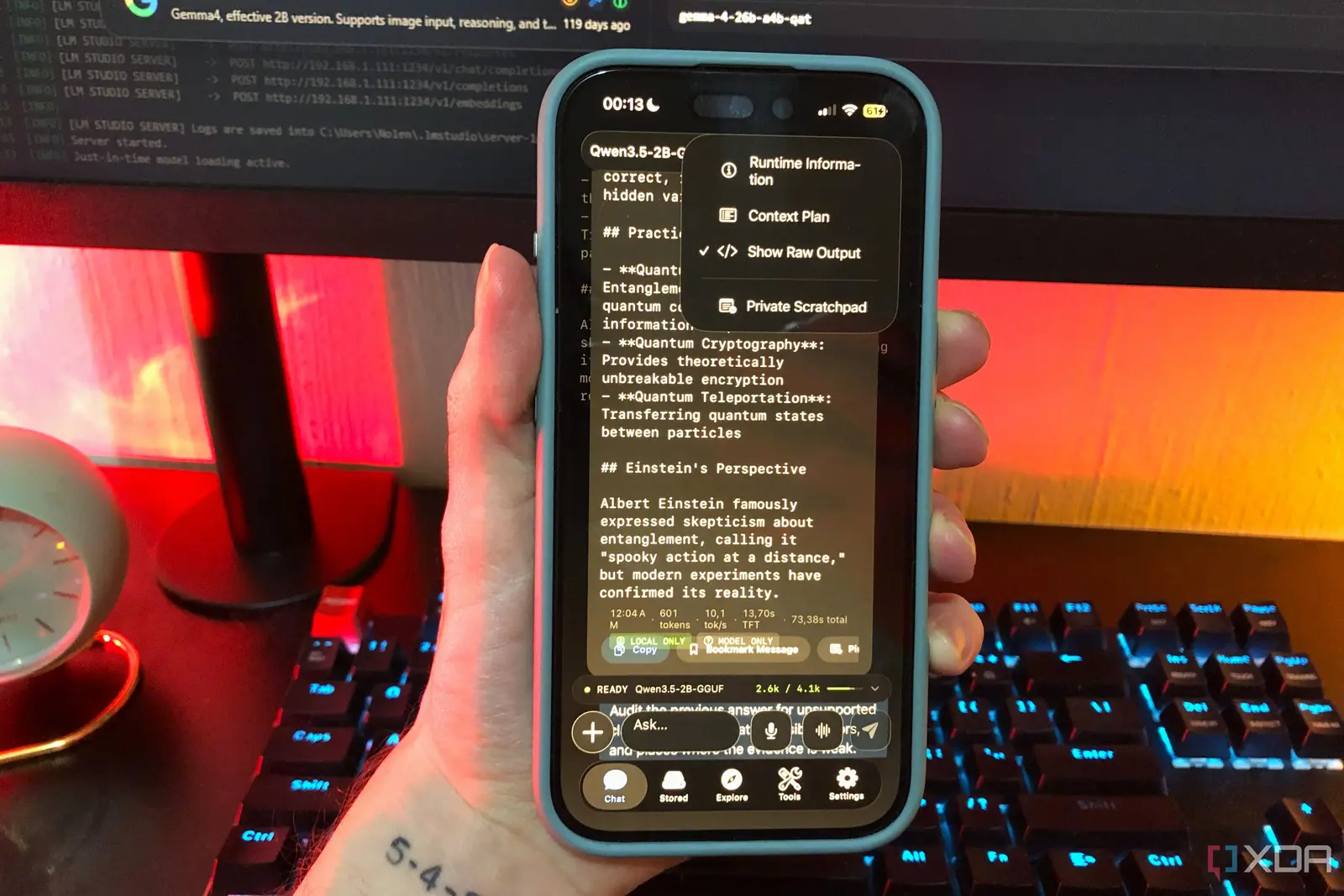 Running a Local AI Model on a Phone Handles Most Chat Prompts
 Google Photos Could Soon Offer a Fresh Start with Ask Photos Feature
While the interface lacked visual polish, it prioritized function over form, resulting in fewer crashes and faster response times during peak usage. Can Local AI Truly Replace Cloud Dependence? Despite improvements, all apps struggled with complex The winning app handled basic summarization and translation well but faltered with multi-step logic or creative writing prompts. Users seeking advanced capabilities may still need hybrid solutions. Privacy-conscious users benefited most from the local processing, as no data left the device during testing. This advantage grew more significant when handling sensitive information like personal journals or work drafts, where cloud transmission poses risks. Frequently Asked Questions Which app performed best in offline mode? The least popular app delivered the most consistent local processing without reverting to cloud services, ensuring true data privacy during use. Is local mobile LLM technology ready for daily use?
For simple tasks like summarization and messaging, yes—but complex AI functions still rely on cloud support for now. Does a basic interface mean worse performance? Not necessarily; in this case, the simpler app optimized resources better, proving that usability isn't always tied to visual design.