
Breaking Down Barriers
Engineering AI is being revolutionized as complex systems demand a more unified approach. Traditionally, different physics problems were tackled with separate tools and workflows. This fragmented landscape is now being challenged by advancements in engineering software.
Breaking news
 Tesla rolls out FSD v15 with major safety upgrade
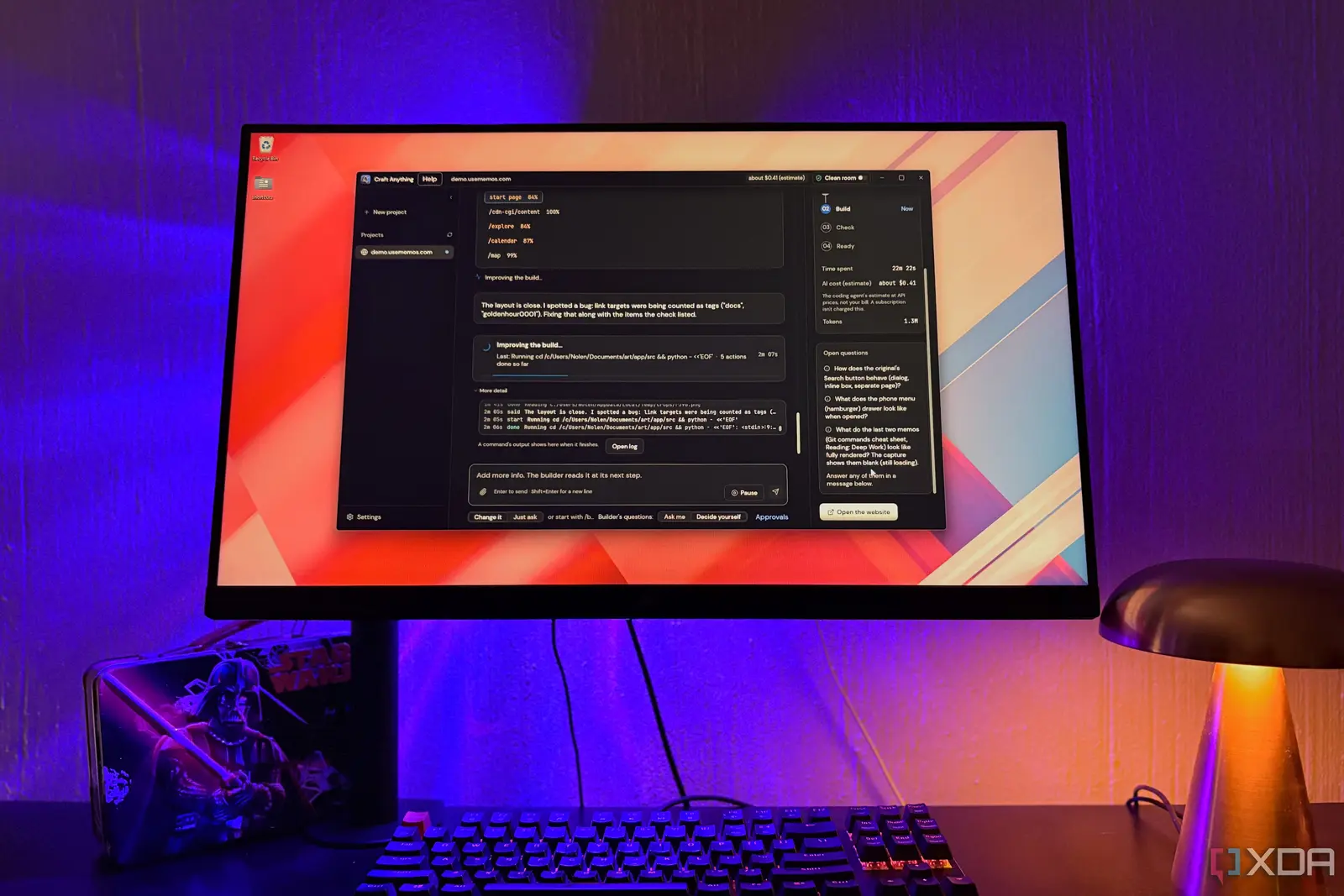 Open-Source Tools Challenge AI-Powered Development Platforms
 AI Infrastructure Bottlenecks: Why Release Pipelines Hold Back Fast Clusters
 Why Apple Vision Pro Never Took Off Like Meta's VR Headsets
Modern engineering software was built around the assumption that different physics problems required different tools, solvers, and workflows. Over time, this led to isolated environments for structural analysis, thermal modeling, and electromagnetics. As a result, engineering workflows became fragmented into silos.
Can AI Integration Deliver?
The increasing complexity of systems is driving the need for a more integrated approach. By combining multiple physics disciplines, engineers can now tackle complex problems more effectively. This shift is enabled by advancements in AI and machine learning, allowing for more sophisticated modeling and simulation.
As systems become more advanced, the limitations of isolated engineering intelligence are becoming apparent. A unified approach is necessary to capture the intricate interactions between different physics disciplines. This requires a fundamental change in how engineering software is designed and used.
By integrating AI across multiple physics disciplines, engineers can create more accurate and comprehensive models. This enables the simulation of complex systems and the optimization of performance. The result is a more efficient and effective engineering process.
Frequently Asked Questions
The consequences of this shift will be significant, with far-reaching implications for industries that rely on complex systems. As engineering AI continues to evolve, we can expect to see more innovative solutions and improved performance.
What is driving the need for a more unified approach in engineering AI? The increasing complexity of systems is driving this need. How will AI integration change the engineering process? AI integration will enable more accurate and comprehensive modeling, leading to a more efficient process. What are the benefits of breaking down physics silos? Breaking down silos will allow engineers to tackle complex problems more effectively and optimize system performance.